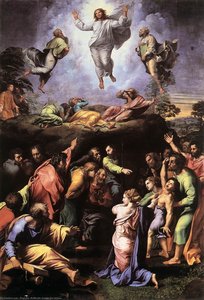
1520. 캔버스에 유채, 165.0 x 147.0 cm.

§ 1카탈로그 정보

- 165.0 x 147.0 cm


§ 2추상
수집품 상세 설명
Experience Raphael's 'St. John the Baptist in the Desert,' a High Renaissance masterpiece depicting solitude and spiritual preparation. Explore its symbolism, composition, and artistic brilliance.
 더 보기
더 보기
작가 프로필
라파엘로(1483-1520): 르네상스 시대의 거장으로, '아테네 학당'과 아름다운 마돈나 그림으로 유명합니다. 우르비노 출신으로 고전적 이상미를 담은 작품들은 서양 미술사에 큰 영향을 미쳤습니다.
§ 3해설
The Desert’s Echo: Raphael's St. John the Baptist in the Wilderness
Raphael’s “St. John the Baptist in the Desert,” painted around 1516-17, isn’t merely a depiction of a solitary figure; it’s a profound meditation on solitude, preparation, and the nascent promise of redemption. This oil-on-canvas masterpiece, now residing within the hallowed halls of the Louvre in Paris, embodies the very essence of High Renaissance ideals – harmony, balance, and an exquisite understanding of human form rendered with breathtaking realism. More than just a portrait, it’s a visual poem, inviting viewers to contemplate the spiritual journey at its heart.
The scene unfolds within a starkly beautiful desert landscape, dominated by rugged, ochre-colored rocks that rise dramatically into the distance, hinting at distant mountains shrouded in hazy blue. The composition is meticulously balanced; St. John, seated with his hands resting on his knees, occupies the central space, drawing our eye immediately to his contemplative posture. Notice the subtle use of light – a warm, diffused glow washes over the scene, creating an atmosphere of both serenity and vulnerability. The artist’s mastery of color is evident in the earthy tones of the desert contrasted with the cool blues and greens of the distant landscape, establishing a visual dialogue between the earthly realm and the spiritual one.
A Figure Steeped in Symbolism
St. John's iconic pose – clad in a simple loincloth, long flowing hair cascading down his shoulders – immediately evokes images of biblical tradition. However, Raphael elevates this familiar image with layers of symbolic meaning. The desert itself represents isolation and purification; it’s a space of testing and preparation, mirroring the arduous path John undertook before proclaiming Jesus's arrival. The bow and arrows he holds aren’t symbols of aggression but rather represent his role as a guide, pointing humanity towards salvation – a potent reminder of his prophetic mission.
Crucially, observe the two bows positioned strategically within the composition: one near the top left corner, another on the bottom right. These are not accidental additions; they subtly reinforce John’s role as a herald, extending his influence and pointing towards the future. The presence of the boat on the horizon, nestled amongst the rocks, introduces an element of earthly connection – a reminder that this spiritual journey is rooted in the realities of human existence. It suggests a longing for return, perhaps even a hint of John’s own eventual fate.
The Renaissance Master at Work: Technique and Influence
Raphael's skill as a painter is undeniable. The meticulous detail evident in the rendering of St. John’s musculature, the texture of his clothing, and the ruggedness of the desert landscape speaks to his deep understanding of anatomy and perspective. The use of oil on canvas allowed Raphael to achieve an unprecedented level of realism and depth – capturing not just the outward appearance but also the inner essence of his subject. The subtle gradations of color, the delicate modeling of form, and the masterful handling of light all contribute to the painting’s captivating beauty.
Interestingly, “St. John the Baptist in the Desert” is believed to be influenced by Michelangelo's earlier depiction of St. John the Baptist, which was painted around 1508-1512. Raphael clearly studied this work closely, adopting some of its key compositional elements and emotional intensity. The painting’s serene yet powerful atmosphere reflects the broader humanist ideals of the High Renaissance – a celebration of human potential and a deep engagement with spiritual themes.
A Timeless Masterpiece: Reproduction Possibilities
AllPaintingsStore offers meticulously crafted, hand-painted reproductions of Raphael's “St. John the Baptist in the Desert,” capturing the essence of this iconic work while retaining its original beauty and detail. Whether you’re an art enthusiast seeking to add a touch of Renaissance elegance to your home or an interior designer looking for a statement piece, our reproductions provide an authentic and affordable way to experience the timeless allure of Raphael's masterpiece. Explore our collection today and bring this profound work of art into your space.
질의응답
High Renaissance 양식의 작품 "St. John the Baptist in the Desert"은 어느 나라에서 유래되었나요?
High Renaissance 양식의 작품 "St. John the Baptist in the Desert"은 이탈리아 출신의 작가에 의해 탄생했습니다.
라파엘로의 "St. John the Baptist in the Desert"에서 느껴지는 정서는 무엇인가요?
라파엘로의 "St. John the Baptist in the Desert"에 담긴 정서적 톤은 우수 어린입니다. 이는 작품이 전달하는 감정을 요약한 것입니다.
라파엘로의 "St. John the Baptist in the Desert"의 대비는 어느 정도로 강한가요?
라파엘로의 "St. John the Baptist in the Desert"의 대비 수준은 설명입니다.



 프린트 판매로 전환


 가로 또는 세로 중 어느 한 면이라도 105cm(약 41인치)를 초과하는 작품이나 복제화의 경우, 프레임은 분해된 키트 형태로 배송됩니다. 이는 안전한 배송을 보장하고 운송 중 발생할 수 있는 손상을 방지하기 위함입니다.