Gwarancja zwrotu pieniędzy · 100 dni Darmowa dostawa na cały świat
449 587dzieła sztuki 30 613artyści 4 660muzea 32język
Waluta
    Język
      Atelier · Est. 2015 · Paryż, Francja
      AllPaintingsStore
      allpaintingsstore.com
      Catalogue entry

      The Quack

      1652. Oil On Canvas, 112.0 x 83.0 cm. Muzeum Bojmans Van Beuningen.

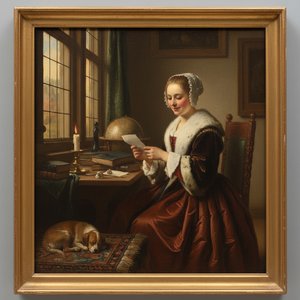
      Fig. 1. Gerrit Dou, The Quack, 1652. Shown as the reproduction you are specifying: , .

      § 1Catalogue data

      § 2Abstract

      Opis obiektu

      Discover Gerrit Dou’s ‘Portrait of an Old Woman Reading.’ A meticulously detailed 1635 oil painting showcasing Baroque light & wisdom. Explore this Dutch Golden Age masterpiece!

      Biografia artysty

      Poznaj wyjątkowe malarstwo złotego wieku holenderskiego Gerarda Doua (1613-1675). Znany z niezwykle szczegółowego stylu fijnschilderij, scen rodzajowych oraz mistrzowskiego wykorzystania światła w świecących wnętrzach. Odkryj jego dziedzictwo i dzieła!

      § 3Commentary

      A Window Into Dutch Golden Age Life: The Allure of Gerrit Dou’s “The Quack”

      In the heart of the seventeenth-century Netherlands, a period defined by unparalleled mercantile success and intellectual curiosity, there existed a fascination with the theater of everyday life. Gerrit Dou’s 1652 masterpiece, “The Quack,” serves as a breathtaking portal into this vibrant era. As one of the most esteemed pupils of Rembrandt, Dou did not merely replicate reality; he refined it through the meticulous lens of the Leiden fijnschilders—the "fine painters." This work is far more than a simple depiction of a street vendor; it is a psychological study of human vulnerability and the colorful deceptions that once populated the bustling marketplace squares of Holland.

      < p>The scene unfolds with a dramatic, almost cinematic tension. At the center of this social tableau stands the quack doctor, a charismatic figure peddling his mysterious vials and herbal concoctions to an expectant crowd. Through Dou’s masterful use of chiaroscuro, the light does not merely illuminate; it sculpts. The artist directs a focused glow onto the central figures, highlighting the textures of period attire—the heavy folds of fabric and the sheen of glass bottles—while allowing the periphery to recede into deep, contemplative shadows. This interplay of light and dark creates an atmosphere that is simultaneously lively and somber, inviting the viewer to lean in and witness the quiet drama of a transaction that may be more about hope than medicine.

      Mastery of Detail and the Art of Illusion

      For the discerning collector or interior designer, the true magic of “The Quack” lies in its staggering technical precision. Dou was a virtuoso of trompe l'oeil, an artist capable of tricking the eye into perceiving tangible depth. Every element within the composition—from the rough, weathered bark of the ancient tree to the delicate reflections dancing upon the apothecary’s glass—is rendered with superhuman care. This level of detail provides a rich, tactile quality that makes the painting feel less like a flat canvas and more like a window into a living, breathing world.

      The palette is a sophisticated arrangement of earth tones, muted golds, and deep shadows, lending the piece a timeless elegance that integrates seamlessly into both classical and contemporary interiors. The composition is balanced yet dynamic, capturing a fleeting moment of urban interaction that feels eternally preserved. To possess a reproduction of such a work is to bring a sense of historical weight and intellectual depth into a space, offering a conversation piece that celebrates the enduring legacy of the Dutch Golden Age.

      Symbolism and Emotional Resonance

      Beyond its surface beauty, “The Quack” resonates with profound symbolic undertones. The itinerant healer represents the universal human desire for relief and the perennial tension between scientific advancement and superstition. The bustling crowd, caught in various states of observation and skepticism, mirrors the social complexities of a society on the brink of modern enlightenment. There is an inherent intimacy in Dou’s work; despite the public setting, the painting captures private emotions—the greed of the seller, the desperation of the seeker, and the curiosity of the bystander.

      For those seeking to inspire awe within a curated collection, this artwork offers an emotional journey. It evokes a sense of nostalgia for a lost world while demanding respect for the technical prowess required to capture it. Whether placed in a grand gallery or as a focal point in a sophisticated study, “The Quack” remains a testament to the power of art to transform a simple observation of life into a profound meditation on the human condition.

      Pytania i odpowiedzi

      Gdzie mogę obejrzeć „The Quack” – Gerrit Dou w formie pokazu slajdów?

      Dostępna jest prezentacja zdjęć: strona Prezentacja slajdów dzieła „The Quack” – Gerrit Dou.

      Któremu artyście przypisuje się "The Quack"?

      Autorem dzieła „The Quack” jest Gerrit Dou. Praca ta figuruje w katalogu pod nazwiskiem Gerrit Dou.

      W jakim pomieszczeniu najlepiej wyeksponować "The Quack", biorąc pod uwagę jego paletę barw?

      Kolorystyka Earthy w dziele „The Quack” – Gerrit Dou idealnie współgra z rekomendowanym wnętrzem: Living Room.

      § 4The artist

      Gerrit Dou

      Gerrit Dou

      1613 - 1675, Holandia

      Quick facts about Gerrit Dou

      • Artistic Movement Or Style: Fijnschilder (Fine Painting)
      • Artists Or Movements Influenced By This Artist: ['Holenderska szkoła fijnschilder']
      • Artists Who Influenced This Artist: ['Rembrandt van Rijn']
      • Date Of Birth: 7 kwietnia 1613
      • Date Of Death: 9 lutego 1675
      • Full Name: Gerrit Dou
      • Nationality: Holender
      • Notable Artworks:
        • Astronomer przez świecę
        • Portret kobiety
      • Place Of Birth: Lejdź, Holandia

      Biografia artysty

      Gerrit Dou (1613 - 1675)

      Gerrit Dou was one of the most celebrated painters of the Dutch Golden Age, whose meticulous *fijnschilder* style—characterized by minute detail and polished realism—established him as a cornerstone of Leiden’s artistic tradition. Born in Leiden on April 7, 1613, the son of Marytje Jansdr van Rosenburg and the glazier Douwe Jansz de Vries van Arentsvelt, his early life was marked by exposure to the craft of stained glass, an occupation passed down through his father’s lineage. This formative experience would profoundly shape his artistic sensibilities.

      Early Training and Rembrandt's Influence

      Gerrit Dou received his initial instruction in drawing under Bartholomeus Dolendo, a respected Leiden artist who instilled in him a foundational understanding of artistic principles. However, it was his apprenticeship with Rembrandt van Rijn—a pivotal moment that cemented his artistic trajectory—that truly propelled him toward mastery. From 1628 to 1631, Dou honed his skills alongside Rembrandt’s protégé Isaac de Jouderville, absorbing the master's innovative techniques and stylistic vision. Rembrandt’s influence is palpable in several of Dou’s early works, notably a self-portrait executed at the age of twenty-two around 1635–1638—a piece that exemplifies Rembrandt’s masterful use of chiaroscuro and psychological depth.

      The Leiden Fijnschilders and Distinctive Style

      Dou quickly distinguished himself from Rembrandt's peers, cultivating a singular artistic style that would become synonymous with the Leiden *fijnschilders*. Unlike Rembrandt’s broader stylistic explorations, Dou focused on achieving unparalleled precision and subtlety—a pursuit reflected in his painstaking rendering of textures and surfaces. He famously spent five days perfecting a single hand, demonstrating an unwavering commitment to meticulous craftsmanship. This dedication extended beyond mere technical skill; Dou possessed an innate ability to capture the essence of human emotion within seemingly simple compositions.

      Notable Works and Patronage

      Gerrit Dou’s oeuvre comprises over two hundred paintings—primarily genre scenes depicting everyday life—many of which are renowned for their dramatic lighting effects and illusionistic techniques. Among his most celebrated works is *The Astronomer by Candlelight*, a masterpiece that showcases Dou's unparalleled command of chiaroscuro, creating an atmosphere of contemplative solemnity. Furthermore, Dou’s paintings graced the collections of prominent patrons, including Pieter Spiering—the Swedish ambassador to the Dutch Republic—who recognized Dou’s exceptional talent and commissioned several portraits reflecting his refined taste. His legacy continues to inspire artists today, securing his place as one of the most influential figures in Dutch Baroque painting.

      Legacy and Influence

      Gerrit Dou's artistic innovations profoundly impacted subsequent generations of painters, notably Frans van Mieris the Elder and Gabriel Metsu—who regarded Dou as their mentor and exemplar. His meticulous style served as a model for aspiring artists seeking to emulate Rembrandt’s brilliance while forging their own distinctive voices. Dou’s work was exhibited extensively throughout Europe during his lifetime, establishing him as a celebrated artist within the intellectual circles of his era. Today, Gerrit Dou's paintings reside in museums across the continent—a testament to his enduring artistic significance and the lasting impact of his groundbreaking contributions to Dutch art history.

      § 5Comparanda

      § 6Questions

      Najważniejsze informacje

      • Location: Museum Boijmans Van Beuningen, Rotterdam
      • Subject or theme: Genre scene
      • Medium: Oil on canvas
      • Notable elements or techniques: Chiaroscuro, meticulous detail
      • Year: 1652
      • Artistic style: Fijnschilder

      § 7Cite this entry

      AllPaintingsStore.com, “Gerrit Dou, The Quack (1652)”, https://allpaintingsstore.com/pl/art/gerrit-dou-the-quack-8Y379A-en/ArtistReproduction/ (accessed 1 Październik 2026).

      § 8The reproduction

      Ręcznie malowana reprodukcja olejowa

      Ręcznie malowany obraz olejny na płótnie, wykonany na zamówienie przez naszych artystów w wybranym przez Ciebie wymiarze i oprawie. ( Przełącz na wydania drukowane Przejdź do wersji cyfrowej)

      It is specified on the order sheet in the margin; the present state of that sheet reads as follows.

      The Quack

      Technika reprodukcji

      Wymiary reprodukcji

      -

      Wybitny mistrz artystyczny

      Większa szczegółowość, finezja i dodatkowy czas na realizację

      -

      Opcje oprawy reprodukcji

      -

      -

      W przypadku dzieł sztuki lub reprodukcji, których którykolwiek z boków przekracza 105 cm (około 41 cali), rama zostanie wysłana w formie zestawu do samodzielnego montażu. Metoda ta zapewnia bezpieczną dostawę i zapobiega uszkodzeniom podczas transportu.

      Wymagany profesjonalny montaż – nie jest to produkt typu DIY.
      Zestaw musi zostać złożony, a płótno naciągnięte przez doświadczonego profesjonalnego ramiarza, przy użyciu kleju do drewna (brak w zestawie), kleszczy do naciągania płótna oraz ścisków, które utrzymają krosna w równej pozycji podczas schnięcia kleju. Nieprawidłowy montaż lub nierównomierne napięcie płótna może trwale uszkodzić dzieło sztuki i nie podlega naszej gwarancji.

      • W zestawie znajdują się wszystkie listwy z litego drewna, precyzyjnie docięte do wymiarów.

      • Montaż odbywa się przy użyciu dołączonych wkrętów oraz kleju do drewna do łączenia narożników, którego zestaw nie zawiera i który musi zostać dostarczony przez ramiarza.

      • Wymagane są profesjonalne narzędzia, których nie ma w zestawie: kleszcze do naciągania płótna (napinacz) oraz zaciski, które pozwolą utrzymać listwy w równej pozycji podczas schnięcia kleju.

      Ważne:
      Do połączenia narożników niezbędny jest klej do drewna, listwy należy unieruchomić za pomocą ścisków do momentu całkowitego wyschnięcia kleju, a naciągnięcie płótna na złożoną ramę wymaga użycia kleszczy do naciągania płótna. Żaden z tych elementów nie jest dołączony do zestawu. Przed zamówieniem tego rozmiaru zalecamy konsultację z doświadczonym ramiarzem.

      Etykieta obiektu

      -

      -

      Lakier ochronny

      Lakier z połyskiem (pogłębia kolory, chroni przed światłem i wilgocią)

      -

      Personalizacja dzieła

      Przykłady możliwości personalizacji: zastąp twarz zdjęciem klienta; dodaj zwierzę domowe (np. zamień kota na psa); umieść ukrytą wiadomość w tle; zmień krajobraz lub elementy tła.

      -

      Ekspresowa

      Dostawa na cały świat () w ciągu 3–4 tygodni zamiast standardowych 5 tygodni. (29 Październik). Bez kompromisów w kwestii jakości.

      -

      Przesyłka ekspresowa

      Dostawa na cały świat () w ciągu 5 tygodni. (5 Listopad).

      W cenie

      Cena całkowita

      zł 993

      Included with every order

      • Bezpłatna ekspresowa wysyłka na cały świat
      • Wysokiej jakości płótno lniane
      • Pełne ubezpieczenie przesyłki
      • Gwarancja zwrotu należności celnych i podatków importowych
      • Gwarancja wiernego odwzorowania kolorów
      • 100-dniowa polityka zwrotów (tylko w przypadku wad)
      • Gwarancja 100% zwrotu pieniędzy
      • Zniżka przy zakupie wielu sztuk
      Order sheet