


 Podgląd w skali 1:1
 Wyślij jako kartkę
 Udostępnij
 Szczegóły dzieła
 Przewodnik

 Pobierz obraz
 Podobne obiekty
 RTG
RTG Pokaz slajdów
 Statystyki
The Quack
 Oil On Canvas
- WallArt
- Dutch Golden Age
 1652
1652- Early Modern
 112.0 x 83.0 cm
 Muzeum Bojmans Van Beuningen
 Rozwiń treść
Giclée / Wydruk artystyczny
Wydruki giclée lub płótna o jakości muzealnej, szybka realizacja i szeroki wybór opcji wykończenia. ( Zamów ręcznie malowaną reprodukcję Przejdź do wersji cyfrowej)




P118B zł10

P118H zł10

P118W zł10

P438Z zł10

P508JH zł12

P508YH zł12

P805H zł10

P805Z zł10

P919BZ zł10

P919G zł10

P919XJ zł10

P959ZH zł10

P968JZ zł12

W106C zł8

W218G zł10

W218JH zł8

W218Y zł10

W307PJ zł10

W316G zł10

W316PJ zł8

W316Y zł10

W398PJ zł8

W4111J zł10

W500HY zł15

W500JH zł15

W692G zł12

W849H zł8

W940BG zł15

W953PJ zł8




Wybierz spośród naszych standardowych rozmiarów, które zachowują oryginalne proporcje dzieła sztuki.

Wpisz wymaganą szerokość i wysokość, aby dopasować grafikę do ramy lub ściany. Wydruk można jedynie przyciąć, nigdy nie powiększając go poza oryginalny obraz, dlatego format o innych proporcjach spowoduje utratę części kompozycji. Przed rozpoczęciem druku prześlemy Ci cyfrowy podgląd do zatwierdzenia. Obraz wyświetlany na tej stronie nie pokazuje rzeczywistego przycięcia — jedynie podgląd oddaje ten efekt.
Dostawa na cały świat () w ciągu 2 tygodni zamiast standardowych 4/5 tygodni. (27 Październik)

Bezpłatna ekspresowa wysyłka na cały świat

Wysokiej jakości płótno lniane

Pełne ubezpieczenie przesyłki

Gwarancja zwrotu należności celnych i podatków importowych

Gwarancja wiernego odwzorowania kolorów

100-dniowa polityka zwrotów (tylko w przypadku wad)

Gwarancja 100% zwrotu pieniędzy

Zniżka przy zakupie wielu sztuk
 Opcja ze szkłem jest dostępna wyłącznie w rozmiarach poniżej 110 cm

The Quack
Giclée / Wydruk artystyczny
Wymiary reprodukcji
-


Cena całkowita
zł 246
A Window Into Dutch Golden Age Life: The Allure of Gerrit Dou’s “The Quack”
In the heart of the seventeenth-century Netherlands, a period defined by unparalleled mercantile success and intellectual curiosity, there existed a fascination with the theater of everyday life. Gerrit Dou’s 1652 masterpiece, “The Quack,” serves as a breathtaking portal into this vibrant era. As one of the most esteemed pupils of Rembrandt, Dou did not merely replicate reality; he refined it through the meticulous lens of the Leiden fijnschilders—the "fine painters." This work is far more than a simple depiction of a street vendor; it is a psychological study of human vulnerability and the colorful deceptions that once populated the bustling marketplace squares of Holland.
< p>The scene unfolds with a dramatic, almost cinematic tension. At the center of this social tableau stands the quack doctor, a charismatic figure peddling his mysterious vials and herbal concoctions to an expectant crowd. Through Dou’s masterful use of chiaroscuro, the light does not merely illuminate; it sculpts. The artist directs a focused glow onto the central figures, highlighting the textures of period attire—the heavy folds of fabric and the sheen of glass bottles—while allowing the periphery to recede into deep, contemplative shadows. This interplay of light and dark creates an atmosphere that is simultaneously lively and somber, inviting the viewer to lean in and witness the quiet drama of a transaction that may be more about hope than medicine.Mastery of Detail and the Art of Illusion
For the discerning collector or interior designer, the true magic of “The Quack” lies in its staggering technical precision. Dou was a virtuoso of trompe l'oeil, an artist capable of tricking the eye into perceiving tangible depth. Every element within the composition—from the rough, weathered bark of the ancient tree to the delicate reflections dancing upon the apothecary’s glass—is rendered with superhuman care. This level of detail provides a rich, tactile quality that makes the painting feel less like a flat canvas and more like a window into a living, breathing world.
The palette is a sophisticated arrangement of earth tones, muted golds, and deep shadows, lending the piece a timeless elegance that integrates seamlessly into both classical and contemporary interiors. The composition is balanced yet dynamic, capturing a fleeting moment of urban interaction that feels eternally preserved. To possess a reproduction of such a work is to bring a sense of historical weight and intellectual depth into a space, offering a conversation piece that celebrates the enduring legacy of the Dutch Golden Age.
Symbolism and Emotional Resonance
Beyond its surface beauty, “The Quack” resonates with profound symbolic undertones. The itinerant healer represents the universal human desire for relief and the perennial tension between scientific advancement and superstition. The bustling crowd, caught in various states of observation and skepticism, mirrors the social complexities of a society on the brink of modern enlightenment. There is an inherent intimacy in Dou’s work; despite the public setting, the painting captures private emotions—the greed of the seller, the desperation of the seeker, and the curiosity of the bystander.
For those seeking to inspire awe within a curated collection, this artwork offers an emotional journey. It evokes a sense of nostalgia for a lost world while demanding respect for the technical prowess required to capture it. Whether placed in a grand gallery or as a focal point in a sophisticated study, “The Quack” remains a testament to the power of art to transform a simple observation of life into a profound meditation on the human condition.
Pytania i odpowiedzi
Do jakiego nurtu i epoki zalicza się „The Quack” – Gerrit Dou?
W „The Quack” – Gerrit Dou nurt Dutch Golden Age łączy się z epoką – Wczesna nowożytność.
Jakie miejsce w historii sztuki zajmuje „The Quack” – Gerrit Dou?
Pod względem historycznym „The Quack” to dzieło z nurtu Dutch Golden Age, powstałe w szerszej epoce Early Modern.
Czy dzieło "The Quack" jest dostępne jako wysokiej jakości wydruk artystyczny?
„The Quack” jest dostępny jako szlachetna odbitka na płótnie bawełnianym lub archiwalnym papierze o strukturze płótna. Zamówienia można składać na stronie Wydruk artystyczny premium, wybierając dowolny rozmiar.
Podobne dzieła


Biografia artysty
Gerrit Dou (1613 - 1675)
Gerrit Dou was one of the most celebrated painters of the Dutch Golden Age, whose meticulous *fijnschilder* style—characterized by minute detail and polished realism—established him as a cornerstone of Leiden’s artistic tradition. Born in Leiden on April 7, 1613, the son of Marytje Jansdr van Rosenburg and the glazier Douwe Jansz de Vries van Arentsvelt, his early life was marked by exposure to the craft of stained glass, an occupation passed down through his father’s lineage. This formative experience would profoundly shape his artistic sensibilities.Early Training and Rembrandt's Influence
Gerrit Dou received his initial instruction in drawing under Bartholomeus Dolendo, a respected Leiden artist who instilled in him a foundational understanding of artistic principles. However, it was his apprenticeship with Rembrandt van Rijn—a pivotal moment that cemented his artistic trajectory—that truly propelled him toward mastery. From 1628 to 1631, Dou honed his skills alongside Rembrandt’s protégé Isaac de Jouderville, absorbing the master's innovative techniques and stylistic vision. Rembrandt’s influence is palpable in several of Dou’s early works, notably a self-portrait executed at the age of twenty-two around 1635–1638—a piece that exemplifies Rembrandt’s masterful use of chiaroscuro and psychological depth.The Leiden Fijnschilders and Distinctive Style
Dou quickly distinguished himself from Rembrandt's peers, cultivating a singular artistic style that would become synonymous with the Leiden *fijnschilders*. Unlike Rembrandt’s broader stylistic explorations, Dou focused on achieving unparalleled precision and subtlety—a pursuit reflected in his painstaking rendering of textures and surfaces. He famously spent five days perfecting a single hand, demonstrating an unwavering commitment to meticulous craftsmanship. This dedication extended beyond mere technical skill; Dou possessed an innate ability to capture the essence of human emotion within seemingly simple compositions.Notable Works and Patronage
Gerrit Dou’s oeuvre comprises over two hundred paintings—primarily genre scenes depicting everyday life—many of which are renowned for their dramatic lighting effects and illusionistic techniques. Among his most celebrated works is *The Astronomer by Candlelight*, a masterpiece that showcases Dou's unparalleled command of chiaroscuro, creating an atmosphere of contemplative solemnity. Furthermore, Dou’s paintings graced the collections of prominent patrons, including Pieter Spiering—the Swedish ambassador to the Dutch Republic—who recognized Dou’s exceptional talent and commissioned several portraits reflecting his refined taste. His legacy continues to inspire artists today, securing his place as one of the most influential figures in Dutch Baroque painting.Legacy and Influence
Gerrit Dou's artistic innovations profoundly impacted subsequent generations of painters, notably Frans van Mieris the Elder and Gabriel Metsu—who regarded Dou as their mentor and exemplar. His meticulous style served as a model for aspiring artists seeking to emulate Rembrandt’s brilliance while forging their own distinctive voices. Dou’s work was exhibited extensively throughout Europe during his lifetime, establishing him as a celebrated artist within the intellectual circles of his era. Today, Gerrit Dou's paintings reside in museums across the continent—a testament to his enduring artistic significance and the lasting impact of his groundbreaking contributions to Dutch art history.
Gerrit Dou
1613 - 1675 , Holandia
Krótka nota
- Artistic Movement Or Style: Fijnschilder (Fine Painting)
- Artists Or Movements Influenced By This Artist: ['Holenderska szkoła fijnschilder']
- Artists Who Influenced This Artist: ['Rembrandt van Rijn']
- Date Of Birth: 7 kwietnia 1613
- Date Of Death: 9 lutego 1675
- Full Name: Gerrit Dou
- Nationality: Holender
- Notable Artworks:
- Astronomer przez świecę
- Portret kobiety
- Place Of Birth: Lejdź, Holandia
Powiązane artykuły
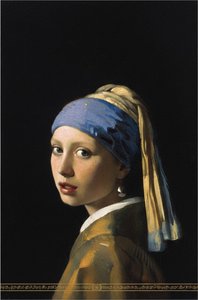
Złoty Wiek Holandii: 10 arcydzieł, które zmieniły historię sztuki | AllPaintingsStore.com
Odkryj 10 arcydzieł Złotego Wieku Holandii! Poznaj historię Rembrandta, Vermeera i innych mistrzów. Reprodukcje obrazów najwyższej jakości do Twojego wnętrza – AllPaintingsStore.com.
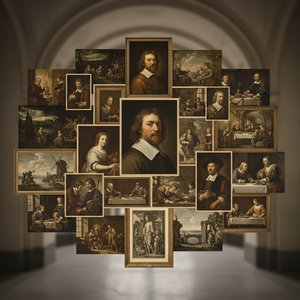
Rembrandt van Rijn: 25 Najwybitniejszych Dzieł Sztuki – Reprodukcje i Inspiracje do Wnętrz
Poznaj 25 arcydzieł Rembrandta van Rijn! Odkryj fascynujące historie, techniki i wpływ holenderskiego mistrza baroku na świat sztuki. Reprodukcje obrazów najwyższej jakości – inspiracje do wnętrz na AllPaintingsStore.com

Golden Light & Dutch Skies: The Timeless Magic of Dutch Golden Age Landscapes
Discover the breathtaking beauty of Dutch Golden Age landscapes. Explore the mastery of light, chiaroscuro, and 17th-century realism through an expert art history lens, celebrating the enduring legacy of the Dutch Masters for discerning collectors and art lovers.
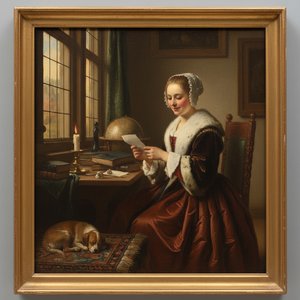
Gerrit Dou: Intimacy & Light in the Dutch Golden Age
Explore the exquisite world of Gerrit Dou, a master of Dutch Golden Age painting. Discover his intimate genre scenes, signature use of light, and lasting legacy. Learn about collecting Dou's works & their value.
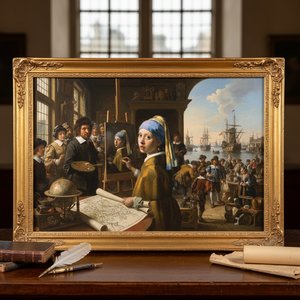
Złoty Wiek Niderlandów: Światło, Realizm i Kulturowe Innowacje w Malarstwie Barokowym
Odkryj fascynujący świat malarstwa holenderskiego Złotego Wieku! Poznaj arcydzieła Rembrandta, Vermeera i innych mistrzów. Analiza technik, gatunków i wpływu na sztukę europejską.


