


 Zobacz w skali 1:1
 Wyślij
 Udostępnij
 Szczegóły
 Przewodnik

 Pobierz plik obrazu
 Podobne obiekty
 RTG
RTG Pokaz slajdów
 Statystyki
untitled (9468)


 Czytaj więcej
Giclée / Wydruk artystyczny
Wydruki giclée lub płótna o jakości muzealnej, szybka realizacja i szeroki wybór opcji wykończenia. ( Kup ręcznie malowany obraz Przełącz na wersję cyfrową)




P118B zł10

P118H zł10

P118W zł10

P438Z zł10

P508JH zł12

P508YH zł12

P805H zł10

P805Z zł10

P919BZ zł10

P919G zł10

P919XJ zł10

P959ZH zł10

P968JZ zł12

W106C zł8

W218G zł10

W218JH zł8

W218Y zł10

W307PJ zł10

W316G zł10

W316PJ zł8

W316Y zł10

W398PJ zł8

W4111J zł10

W500HY zł15

W500JH zł15

W692G zł12

W849H zł8

W940BG zł15

W953PJ zł8




Wybierz spośród naszych standardowych rozmiarów, które zachowują oryginalne proporcje dzieła sztuki.

Wpisz wymaganą szerokość i wysokość, aby dopasować grafikę do ramy lub ściany. Wydruk można jedynie przyciąć, nigdy nie powiększając go poza oryginalny obraz, dlatego format o innym proporcji spowoduje utratę części kompozycji. Przed rozpoczęciem druku prześlemy Ci cyfrowy podgląd do zatwierdzenia. Obraz wyświetlany na tej stronie nie pokazuje rzeczywistego przycięcia — jedynie podgląd oddaje ten efekt.
Dostawa na cały świat () w ciągu 2 tygodni zamiast standardowych 4/5 tygodni. (25 Październik)

Bezpłatna ekspresowa wysyłka na cały świat

Wysokiej jakości płótno lniane

Pełne ubezpieczenie transportowe

Gwarancja zwrotu należności celnych i podatków importowych

Gwarancja idealnego odwzorowania barw

100-dniowy okres na zwrot dzieła w przypadku wykrycia wad produkcyjnych

Gwarancja 100% zwrotu pieniędzy

Oferta przy zakupie wielu sztuk
 Opcja ze szkłem jest dostępna wyłącznie w rozmiarach poniżej 110 cm

untitled (9468)
Giclée / Wydruk artystyczny
Rozmiar reprodukcji
-


Suma do zapłaty
zł 245
Unveiling the Enigmatic Depths of "Untitled (9468)"
Gustave Moreau’s “Untitled (9468)” is not merely a depiction of two women in a forest; it's an immersion into a realm of potent symbolism and dreamlike atmosphere, characteristic of the Symbolist movement that flourished in 19th-century Paris. Born in 1826, Moreau rejected the objective realism favored by his contemporaries, instead dedicating himself to exploring the subjective world – the landscapes of the mind, the whispers of myth, and the profound mysteries of human emotion. This painting exemplifies his unique approach, presenting a scene brimming with layered meaning that continues to captivate viewers today.
- Subject Matter: The central focus is on two nude women engaged in an intimate interaction within a richly detailed forest setting. Their postures and gestures invite speculation about their relationship – are they lovers, companions, or perhaps figures from a forgotten legend?
- Composition: Moreau masterfully employs a pyramidal composition, drawing the eye upwards towards the central figures while simultaneously anchoring it with the intricate details of the surrounding foliage and the scattered birds.
- Color Palette: The painting is dominated by rich, jewel-toned colors – deep reds, blues, and greens – creating an opulent and slightly unsettling atmosphere. These hues were meticulously applied to evoke a sense of otherworldly beauty.
A Window into Symbolist Philosophy
Moreau’s work aligns perfectly with the core tenets of Symbolism, a movement that sought to transcend mere representation and instead convey emotional and spiritual truths through evocative imagery. Influenced by Romanticism and Pre-Raphaelitism, Moreau drew inspiration from classical mythology, medieval symbolism, and esoteric traditions. The painting's narrative isn't about literal events; it’s about the *feeling* of those events – a sense of longing, mystery, and perhaps even melancholy. The inclusion of the birds, frequently associated with freedom and spirituality in Symbolist art, further reinforces this interpretation.
The presence of the two additional figures—one on the left and one on the right—adds another layer of complexity to the scene. They are not clearly defined, existing almost as shadowy presences, suggesting a deeper, perhaps unsettling, narrative unfolding beyond the immediate interaction between the central women. The cup resting on a surface hints at a ritualistic gathering, further enriching the symbolic weight of the composition.
Technique and Artistic Process
Moreau’s technique is characterized by meticulous detail and a deliberate avoidance of smooth brushwork. He built up layers of paint—often using glazing techniques—to achieve a luminous effect and create a sense of depth and texture. His use of gold leaf, particularly in the details of the birds and foliage, adds to the painting's opulent and dreamlike quality. Moreau’s studio was renowned for its highly controlled environment, with assistants meticulously preparing pigments and applying layers of paint under his exacting supervision.
The artist’s dedication to creating a richly textured surface is evident in the intricate rendering of the forest – every leaf, branch, and shadow contributing to the overall atmosphere. This painstaking attention to detail reflects Moreau's belief that art should be more than just a representation; it should be an immersive experience for the viewer.
Emotional Resonance and Timeless Appeal
"Untitled (9468)" possesses a haunting beauty that transcends its historical context. The painting’s enigmatic subject matter, combined with Moreau's masterful technique, creates a powerful emotional resonance. It invites viewers to contemplate themes of love, loss, spirituality, and the mysteries of the human psyche. This artwork is not simply a beautiful image; it’s an invitation to enter into a world of dreams and symbolism – a testament to Gustave Moreau’s enduring legacy as one of Symbolism's most visionary artists.
Pytania i odpowiedzi
Gdzie mogę kupić cyfrowy obraz dzieła „untitled (9468)” autorstwa Gustaw Moreau?
Aby otrzymać plik cyfrowy dzieła „untitled (9468)” autorstwa Gustaw Moreau, zamów wysokiej rozdzielczości cyfrowe zdjęcie do pobrania na stronie Obraz cyfrowy.
Jaka jest luminancja dzieła „untitled (9468)” autorstwa Gustaw Moreau?
„untitled (9468)” autorstwa Gustaw Moreau ma luminancję na poziomie Soft Shadow. Luminancja określa, jak dużą ilość światła zdają się odbijać kolory.
Gdzie mogę kupić wydruk „untitled (9468)” autorstwa Gustaw Moreau?
„untitled (9468)” jest dostępny jako szlachetna odbitka na płótnie bawełnianym lub archiwalnym papierze płótnopodobnym. Zamówienia można składać na stronie Wydruk artystyczny, wybierając dowolny rozmiar.


Biografia artysty
A Dream Weaver of Symbolism: The Life and Art of Gustave Moreau
Gustave Moreau, a name inextricably linked to the ethereal beauty and profound mysteries of Symbolist painting, emerged from 19th-century Paris as an artist utterly distinct in his vision. Born in 1826 into a comfortable bourgeois family—his father an architect and archivist—Moreau’s early life was steeped in intellectual curiosity and a deep appreciation for aesthetics. From a remarkably young age, he displayed a prodigious talent for drawing, nurtured through the rigorous training of the École des Beaux-Arts under esteemed figures like François-Édouard Picot. However, Moreau's artistic trajectory swiftly diverged from the prevailing Realist and Impressionist currents dominating his time. He wasn’t driven by a desire to capture fleeting moments or represent objective reality; instead, he sought to unlock the hidden realms of myth, religion, and the intricate workings of the human psyche through a deeply personal and symbolic visual language. His artistic journey became an inward exploration, translating subjective emotions and spiritual yearnings onto canvas with meticulous detail and a palette often rich in vibrant, almost opulent hues.The Forge of Imagination: Influences and Artistic Development
Moreau’s artistic development wasn't forged in isolation. While rejecting the dominant trends of his era, he drew inspiration from a remarkably diverse range of sources. The dramatic use of color and exotic subject matter found in the works of Eugène Delacroix ignited within him a passionate interest in narrative painting imbued with intense emotionality. He held Renaissance masters—Michelangelo and Leonardo da Vinci, in particular—in the highest esteem, deeply admiring their mastery of composition, anatomical precision, and their remarkable ability to penetrate the complexities of human psychology. Yet, Moreau wasn’t merely imitating these giants; he was synthesizing their influences into something entirely new, a distinctly personal style. His pivotal journey to Italy during the 1850s proved transformative, immersing him in the art of antiquity and the Renaissance. This experience provided an unparalleled wealth of motifs and stylistic cues that would subsequently populate his future works. He meticulously copied Old Master paintings—not as mere reproductions, but as a means of absorbing their techniques and unlocking their secrets—carefully studying brushstrokes, color palettes, and compositional strategies. This dedication to craft, combined with his burgeoning fascination with mythology and literature, formed the bedrock of his unique artistic vision.A World of Symbols: Themes and Techniques
Moreau’s paintings are not simply illustrations of myths or biblical stories; they are complex allegories designed to provoke contemplation and interpretation. He didn't aim to retell these narratives literally but rather to explore their underlying psychological and spiritual truths. His canvases are populated with a rich tapestry of symbolic imagery—serpents representing temptation, jewels signifying earthly desires, and figures embodying abstract concepts such as grief, loss, or redemption. He masterfully created an atmosphere of dreaminess through intricate detail, shimmering textures, and often unsettling juxtapositions of light and shadow. Moreau’s technique was characterized by a painstaking layering of paint—a deliberate process that resulted in surfaces brimming with iridescent colors and evoking a sense of otherworldly beauty. His skillful use of gold leaf further enhanced this effect, lending his works a Byzantine quality that underscored their spiritual dimension. He prioritized the expressive power of color and form over strict adherence to realistic representation, focusing on conveying mood and meaning rather than photographic accuracy.Notable Works and Legacy
Throughout his career, Moreau produced an astonishing body of work, including iconic paintings such as *Salomé tańcząca przed Herodem* (Salome Dancing before Herod), *Jupiter i Semele*, *Orfeusz*, *Widzenie*, and *Święta Elżbieta z Anglii lub Cud róż*. These works demonstrate his extraordinary skill in depicting mythological scenes, biblical narratives, and allegorical themes. Moreau’s influence extended far beyond the Symbolist movement itself. He mentored numerous artists at the École des Beaux-Arts, encouraging them to embrace imagination, symbolism, and individual expression—a radical departure from the prevailing academic norms of the time. Though initially met with mixed reactions, Moreau's work gained recognition in the late 19th and early 20th centuries, solidifying his place as a pivotal figure in modern art. Today, the Musée Gustave Moreau in Paris stands as a testament to his enduring legacy—a sanctuary where visitors can immerse themselves in the captivating world of this extraordinary artist, experiencing firsthand the power and beauty of his symbolic vision.Key Characteristics
- Symbolic Imagery: Moreau’s paintings are replete with symbols representing complex ideas and emotions.
- Dreamlike Atmosphere: He skillfully created an ethereal and otherworldly atmosphere through meticulous detail and color manipulation.
- Rich Palette: His use of vibrant, often opulent colors contributed to the overall sense of mystery and beauty.
- Influence of Renaissance Masters: Moreau drew inspiration from the techniques and philosophies of Michelangelo and Leonardo da Vinci.
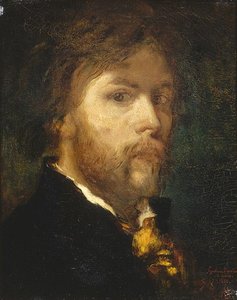
Gustaw Moreau
1826 - 1898 , Francja
Najważniejsze informacje
- Artistic Movement Or Style: Symbolizm
- Artists Or Movements Influenced By This Artist:
- Matisse
- Rouault
- Artists Who Influenced This Artist:
- Delacroix
- Michelangelo
- Date Of Birth: 6 kwietnia 1826
- Date Of Death: 18 kwietnia 1898
- Full Name: Gustave Moreau
- Nationality: Francuz
- Notable Artworks:
- Salome tańcząca
- Prometeusz
- Święta Elżbieta
- Place Of Birth: Paryż, Francja
Zobacz także powiązane artykuły

AllPaintingsStore.com F.A.Q.: Elevate Your Decor with Premium Textured Giclée Prints
Discover the distinction of AllPaintingsStore.com premium textured Giclée prints. Expertly crafted with archival 12-color pigments and museum-grade substrates, our prints offer unparalleled vividness for the discerning collector seeking luxury, durability, and timeless elegance.


