


 Podgląd w skali 1:1
 Wyślij jako kartkę
 Udostępnij
 Szczegóły dzieła
 Przewodnik

 Pobierz obraz
 Podobne obiekty
 RTG
RTG Pokaz slajdów
 Statystyki
Deer
 Acrylic On Canvas
- WallArt
- Realism
 1872
1872 28.0 x 38.0 cm
 Worcester Art Museum
 Rozwiń treść
Ręcznie malowana reprodukcja olejowa
Ręcznie malowany obraz olejny na płótnie, wykonany na zamówienie przez naszych artystów w wybranym przez Ciebie wymiarze i oprawie. ( Przełącz na wydania drukowane Przejdź do wersji cyfrowej)




P118B zł10

P118H zł10

P118W zł10

P438Z zł10

P508JH zł12

P508YH zł12

P805H zł10

P805Z zł10

P919BZ zł10

P919G zł10

P919XJ zł10

P959ZH zł10

P968JZ zł12

W106C zł8

W218G zł10

W218JH zł8

W218Y zł10

W307PJ zł10

W316G zł10

W316PJ zł8

W316Y zł10

W398PJ zł8

W4111J zł10

W500HY zł15

W500JH zł15

W692G zł12

W849H zł8

W940BG zł15

W953PJ zł8




Wybierz spośród naszych standardowych rozmiarów, które zachowują oryginalne proporcje dzieła sztuki.

Wpisz wymaganą szerokość i wysokość, aby obraz pasował do Twojej ramy lub ściany. Ponieważ jest to dzieło malowane ręcznie, w przypadku rozmiaru o innych proporcjach artysta może domalować nieco więcej wokół obrazu lub przyciąć jego fragmenty — wybór należy do Ciebie. Przed rozpoczęciem pracy prześlemy Ci cyfrową wizualizację do zatwierdzenia. Obraz widoczny na tej stronie nie przedstawia rzeczywistego efektu — jedynie wizualizacja oddaje realny rezultat.
Po złożeniu zamówienia zespół AllPaintingsStore.com skontaktuje się z klientem drogą mailową w celu uzyskania instrukcji i prześle wizualizację projektu
Dostawa na całym świecie () w ciągu 3–4 tygodni zamiast standardowych 5 tygodni. (26 Październik). Bez kompromisów w kwestii jakości.

Bezpłatna ekspresowa wysyłka na cały świat

Wysokiej jakości płótno lniane

Pełne ubezpieczenie przesyłki

Gwarancja zwrotu należności celnych i podatków importowych

Gwarancja wiernego odwzorowania kolorów

100-dniowa polityka zwrotów (tylko w przypadku wad)

Gwarancja 100% zwrotu pieniędzy

Zniżka przy zakupie wielu sztuk
 Opcja ze szkłem jest dostępna wyłącznie w rozmiarach poniżej 110 cm

Deer
Technika reprodukcji
Wymiary reprodukcji
-


Cena całkowita
zł 991
A Moment of Quiet Reflection: John Singer Sargent’s “Deer”
John Singer Sargent's "Deer," painted in 1872, isn’t merely a depiction of an animal; it’s a distilled essence of observation and a poignant meditation on the beauty of the natural world. This intimate study, rendered in delicate pencil on paper, captures a young deer resting peacefully amidst the undergrowth – a scene imbued with a profound sense of stillness and vulnerability. The work immediately draws you in, not with dramatic action or imposing scale, but through its quiet intensity and the artist’s masterful ability to convey texture and mood.
Sargent's approach here is distinctly Impressionistic, yet grounded in a rigorous academic training. He eschews the bold, vibrant colors often associated with his later portraits for a muted palette of browns, greens, and grays, creating an atmosphere of subdued light and shadow. The pencil strokes themselves are remarkably expressive – short, broken lines that build up to suggest the dappled sunlight filtering through the trees and the soft contours of the deer’s form. Notice how he doesn't attempt to fully render every detail; instead, he focuses on capturing the *impression* of the animal, its posture, and the surrounding environment with a remarkable economy of line.
The Artist’s Journey and Early Influences
Born in Florence to American expatriate parents, John Singer Sargent's childhood was anything but conventional. He wasn’t sent to formal schools; instead, his education unfolded within Europe’s grand museums and ancient churches – a unique upbringing that instilled in him an unparalleled visual literacy. This itinerant youth, constantly traversing France, Germany, Italy, and Switzerland, exposed him to the artistic treasures of the continent and fostered a deep appreciation for light, color, and form. His father, a surgeon, and his mother, an amateur artist, encouraged his inclination towards art, providing him with a supportive environment where he could develop his talent without the constraints of traditional academic training.
The early years in Florence were particularly formative. Sargent’s exposure to Italian Renaissance masters – Michelangelo, Raphael, Leonardo da Vinci – profoundly influenced his artistic sensibilities. He absorbed their techniques and principles, developing a keen eye for anatomy, composition, and the subtle nuances of light and shadow. This foundation would later inform his remarkable ability to capture the likenesses of his subjects with astonishing accuracy and psychological depth.
Symbolism and the Deer’s Significance
The deer itself carries significant symbolic weight within Western art and culture. Throughout history, it has been associated with grace, gentleness, innocence, and connection to nature. In this particular painting, the deer's relaxed posture and upward gaze suggest a sense of tranquility and contemplation – an invitation for the viewer to share in its quiet moment of repose. The setting—a sun-dappled clearing within a forest—further reinforces this theme, evoking images of unspoiled wilderness and the restorative power of nature.
Interestingly, Sargent’s “Deer” was created during a period when animal subjects were gaining increasing prominence in European art. The Romantic movement had championed the beauty and majesty of the natural world, inspiring artists to depict animals with greater realism and emotional depth. Sargent's work reflects this trend, but also transcends it through his masterful technique and profound understanding of light and form.
A Timeless Masterpiece: Reproduction and Beyond
Reproduced faithfully in high-resolution detail, “Deer” offers a captivating glimpse into the world of John Singer Sargent’s early oeuvre. Its quiet beauty and evocative atmosphere make it an ideal addition to any interior space – whether as a statement piece in a study or a calming presence in a living room. The delicate pencil strokes and muted palette create a sense of intimacy, inviting viewers to pause and reflect on the simple pleasures of nature. A hand-painted reproduction captures not only the visual details but also the artist’s unique sensibility, ensuring that this timeless masterpiece continues to inspire and enchant for generations to come.
Pytania i odpowiedzi
Do czego sugerowane jest wykorzystanie „Deer” – John Singer Sargent?
Sugerowanym zastosowaniem dla „Deer” – John Singer Sargent jest Accent, choć może on służyć również do innych celów.
Jaka jest luminancja dzieła „Deer” – John Singer Sargent?
Jasność zarejestrowana dla „Deer” – John Singer Sargent wynosi Luminous.
Jakie zastosowanie i przestrzeń są zalecane dla „Deer” – John Singer Sargent?
Dzieło „Deer” – John Singer Sargent jest polecane do Accent, najlepiej w Living Room. Zastosowanie oraz przestrzeń pomagają zdecydować, gdzie najlepiej umieścić reprodukcję.
Podobne dzieła


Biografia artysty
A Life Immersed in Light and Society
John Singer Sargent, a name synonymous with the Gilded Age and its shimmering portraits of elegance, was an American artist who spent most of his life cultivating his craft within the European art world. Born in Florence, Italy, in 1856 to American expatriate parents, Fitzwilliam and Mary Newbold Sargent, his upbringing was anything but conventional. The family’s nomadic existence – constantly traversing France, Germany, Italy, and Switzerland – instilled in young John a cosmopolitan sensibility and an early exposure to the artistic treasures of Europe. Rather than formal schooling, his education unfolded within museum halls and ancient churches, fostering a visual literacy that would profoundly shape his artistic vision. This itinerant childhood, while lacking traditional structure, provided a rich tapestry of cultural experiences that fueled his developing talent. His father, a surgeon, and his mother, an amateur artist, encouraged his inclinations, recognizing early on the remarkable acuity of his observational skills. It was clear from a young age that John’s path lay not in medicine or conventional pursuits, but within the realm of art.From Parisian Atelier to Portrait Master
In 1874, at the age of eighteen, Sargent embarked on a pivotal chapter of his artistic development by entering the Paris studio of Carolus-Duran. This mentorship proved transformative. Duran’s emphasis on *direct painting* – a technique eschewing preliminary sketches in favor of immediate application of paint to canvas – honed Sargent's already impressive technical facility and instilled within him an astonishing ability to capture likenesses with speed and precision. It was a revolutionary approach, encouraging boldness and spontaneity, and it became the hallmark of Sargent’s style. He absorbed Duran’s lessons wholeheartedly, mastering the art of capturing not just physical resemblance but also the very essence of his sitters. Simultaneously, he enrolled at the École des Beaux-Arts, further refining his skills in drawing from casts and life models. However, it was the influence of Spanish masters like Velázquez, encountered during a formative trip to Spain in 1879, that truly ignited Sargent’s artistic imagination. He became captivated by Velázquez’s masterful use of light, brushwork, and psychological insight – qualities he would strive to emulate throughout his career.Navigating Fame, Scandal, and Artistic Evolution
Sargent quickly established himself as a sought-after portraitist in Paris, attracting commissions from the city’s elite. However, his ascent was not without its challenges. The unveiling of *Madame X* (Portrait of Madame Pierre Gautreau) at the 1884 Salon ignited a scandal that threatened to derail his burgeoning career. The painting's daring depiction of socialite Virginie Amélie Avegno Gautreau – with her pale complexion, suggestive pose, and fallen strap – was deemed provocative and scandalous by Parisian society. Though Sargent later repainted the strap, the damage was done. Disheartened by the controversy, he relocated to London in 1886, where he found a more receptive audience for his talents. In London, he continued to paint portraits of the wealthy and prominent, capturing the opulence and social dynamics of Edwardian society with unparalleled skill. Yet, Sargent’s artistic ambitions extended beyond the confines of commissioned portraiture. He yearned for greater creative freedom and increasingly devoted himself to landscape painting and plein-air studies, embracing an Impressionistic style characterized by loose brushwork, vibrant colors, and a focus on capturing fleeting moments of light and atmosphere. These landscapes reveal a different side of Sargent – one less concerned with social status and more attuned to the beauty of the natural world.Influences and Artistic Kinships
- Carolus-Duran: His teacher, who instilled in him a direct painting technique and encouraged spontaneity.
- Diego Velázquez: Sargent deeply admired Velázquez’s mastery of light, brushwork, and psychological insight, particularly evident in his Spanish works.
- Impressionism: The Impressionists' emphasis on capturing fleeting moments and atmospheric effects profoundly impacted his landscape paintings, leading to a looser, more expressive style.
- James Abbott McNeill Whistler: Sargent shared with Whistler an interest in aestheticism and the pursuit of “art for art’s sake,” influencing his approach to composition and color.
A Lasting Legacy: Beyond Portraiture
While celebrated as “the leading portrait painter of his generation,” John Singer Sargent’s artistic legacy extends far beyond his masterful depictions of society figures. His major works, such as *El Jaleo*, a dynamic portrayal of Spanish flamenco dancers, and *Carnation, Lily, Lily, Rose*, a serene depiction of two young girls in an English garden, demonstrate his versatility and technical brilliance. Later in life, he embarked on ambitious mural projects, including the monumental cycle at the Boston Public Library, showcasing his ability to translate his artistic vision onto a grand scale. His influence can be seen in the work of subsequent generations of artists who admired his technical skill, his bold brushwork, and his ability to capture both physical likeness and psychological depth. The rediscovery of his previously hidden male nudes in the 1980s further broadened our understanding of Sargent’s artistic range and revealed a more complex and nuanced artist than previously recognized. His paintings continue to captivate audiences worldwide, offering a fascinating glimpse into a bygone era while simultaneously transcending time through their enduring beauty and technical mastery. He remains, undeniably, one of the most significant American artists of his generation, whose work continues to inspire and provoke admiration.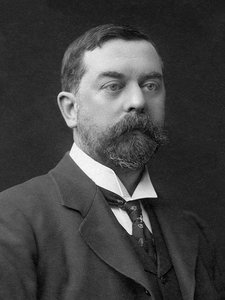
John Singer Sargent
1856 - 1925 , Włochy
Krótka nota
- Artistic Movement Or Style: Impressionizm
- Artists Or Movements Influenced By This Artist: ['Whistler']
- Artists Who Influenced This Artist:
- Carolus-Duran
- Velázquez
- Date Of Birth: 12 stycznia 1856
- Date Of Death: 15 kwietnia 1925
- Full Name: John Singer Sargent
- Nationality: Amerykanin
- Notable Artworks:
- Madame X
- El Jaleo
- Carnation, Lily, Lily, Rose
- Place Of Birth: Florencja, Włochy
Powiązane artykuły

Digital Metamorphosis: Transforming Personal Photos into Stunning AI-Driven Anime Masterpieces
Transform your photos into breathtaking anime masterpieces with AllPaintingsStore.com. Our advanced AI reconstructs reality through the lens of legendary animation, offering everything from digital magic to hand-painted oil canvases. Elevate your personal story and become an anime star!


