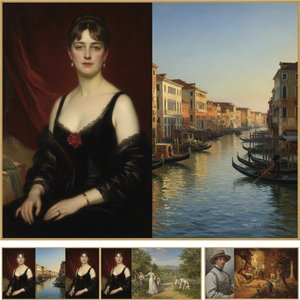
Wczesne lata, rodzina i kształcenie
Urodzony 12 stycznia 1856 roku we Florencji we Włoszech, John Singer Sargent wkroczył w świat ukształtowany przez nieustanny ruch jego amerykańskich rodziców, Fitzwilliam'a i Mary Newbold Sargent. Jego ojciec służył wcześniej jako chirurg okulista w Wills Eye Hospital w Filadelfii w latach 1844–1854. To medyczne wykształcenie zapewniło stabilne, choć przejściowe, fundamenty, zanim życie rodziny zostało zdefiniowane przez kosmopolityczne rytmy Europy. Dom ten był przesiąknięty artystycznymi skłonnościami; jego siostra Mary przyszła na świat w 1857 roku, a siostra Emily z czasem zapisała się na kartach historii jako utalentowana malarka. Te wczesne lata nie polegały na posiadaniu stałego miejsca na ziemi, lecz na całkowitym zanurzeniu w wizualnych tradycjach kontynentu.
Jego formalna edukacja prowadziła przez najważniejsze ośrodki europejskiej sztuki, a proces kształcenia obejmował Florencję, Paryż i Londyn. W Paryżu trafił do pracowni Carolus-Duran, a to mentorstwo miało fundamentalnie wpłynąć na jego podejście techniczne. Ten okres studiów był kluczowy dla doskonalenia umiejętności obserwacyjnych, które stały się znakiem rozpoznawczym jego wczesnego rozwoju. Zamiast podążać sztywną, akademicką ścieżką, jego szkolenie było ciągiem bezpośredniego obcowania z mistrzami oraz specyficznymi metodami paryskich atelier. Z tych studiów wyszedł z biegłością techniczną, która pozwalała mu swobodnie poruszać się między ustrukturyzowanymi wymaganiami portretu a bardziej spontanicznymi potrzebami jego późniejszych poszukiwań artystycznych.
Lata paryskie i artystyczny skandal
W 1874 roku, mając zaledwie osiemnaście lat, John Singer Sargent wkroczył do paryskiej pracowni Carolus-Durana. Ta mentorska relacja okazała się przełomowa; nacisk położony na technikę direct painting pomógł mu wypracować niezwykłą biegłość techniczną oraz rzadką zdolność błyskawicznego i precyzyjnego oddawania podobieństwa osób portretowanych. Pragnąc jeszcze bardziej doskonalić swój warsztat, zapisał się do École des Beaux-Arts, gdzie poprzez studia nad modelami żywymi i odlewami budował solidne fundamenty swojego talentu. W tych kluczowych latach formacyjnych zaczął przebijać się do elity miasta, z wielką gracją poruszając się w skomplikowanych hierarchiach społecznych i artystycznych francuskiej stolicy.
Jego wznosząca się kariera wiodąca ku mianu czołowego malarza salonowego została jednak gwałtownie przerwana przez nagły, ostry skandal. Premiera obrazu Madame X (Portret Madame Pierre Gautreau) podczas Salonu w 1884 roku wywołała kontrowersje, które zagroziły jego rozwijającej się sławie. Odważny sposób przedstawienia tej damy z wyższych sfer – z jej nieskazitelną, bladą cerą i sugestywną pozą – został uznany przez paryskie społeczeństwo za wysoce prowokacyjny. Choć artysta próbował później łagodzić przekaz, przemalowując ramiączko sukni modelki, społeczny odwet był nieunikniony i dotkliwy. Ten skandal ostatecznie zmusił go do opuszczenia Paryża i powrotu do Anglii, gdzie szukał bardziej przychylnego odbiorcy dla swoich wybitnych talentów.
Sukces w Londynie i mistrzostwo portretu
Skandal w Paryżu wymusił na artyście znaczącą zmianę trajektorii życiowej, co doprowadziło go do przeprowadzki do Londynu w 1886 roku. Ten ruch okazał się punktem zwrotnym w jego karierze, gdyż John Singer Sargent przeszedł drogę od postaci budzącej kontrowersje do miana czołowego portrecisty swojego pokolenia. Dysponował on rzadkim poziomem profesjonalnej niezależności; mógł swobodnie wybierać, które zlecenia przyjąć, oraz dyktować bardzo wysokie ceny za swoje dzieła. Ta autonomia pozwoliła mu poruszać się w najwyższych kręgach społeczeństwa z poczuciem autorytetu, którego mogło mu pozazdrościć wielu współczesnych mu twórców.
Jego modelami byli architekci ówczesnej epoki – od ścisłej elity towarzyskiej po wybitne postaci polityczne. Wśród licznych celebrytów, którzy pozowali do jego obrazów, znalazł się m.in. były prezydent Theodore Roosevelt. John Singer Sargent nie ograniczał się jedynie do rejestrowania podobieństwa; potrafił on uchwycić dynamikę społeczną oraz przepych ery edwardiańskiej. Jego niezwykła zdolność do dokumentowania charakteru swoich modeli sprawiła, że stał się postacią pożądaną przez tych, którzy pragnęli zabezpieczyć swoje miejsce w wizualnej historii epoki.
Technika i styl artystyczny
Podejście Johna Singera Sargenta do płótna definiowała niezwykła biegłość techniczna, a w szczególności jego rzadka umiejętność „rysowania pędzlem”. Pod okiem mentora, Carolusa-Durana, artysta przyjął zasadę malarstwa bezpośredniego – metody, która przedkładała natychmiastowe nakładanie pigmentu nad bezpieczną pewność wstępnych szkiców. To szkolenie nauczyło go chwytania samej esencji tematu poprzez spontaniczne, zdecydowane ruchy. Jego metoda często polegała na nakładaniu tonów w dyskretnych, mozaikowych plamach, które następnie łączył, aby uzyskać wrażenie głębi i formy. Taki proces pozwalał na pewną płynność, która stała się znakiem rozpoznawczym jego unikalnej ręki.
Twórczość artysty odzwierciedlała dwoistą naturę jego temperamentu. W portretach na zamówienie trzymał się stylu grand manner, spełniając oczekiwania swoich modeli z wyższych sfer z niezwykłą elegancją i opanowaniem. Jednak jego nieformalne studia i pejzaże ujawniały zupełnie inne skłonności. W tych dziełach przejawiał on zażyłość z impresjonizmem, wykorzystując swobodne pociągnięcia pędzla, by uchwycić ulotne zmiany światła. Ta wszechstronność pozwalała mu płynnie poruszać się między ustrukturyzowanymi wymaganiami formalnego portretu a bardziej ekspresyjnymi, atmosferycznymi potrzebami malarstwa plenerowego.
Kluczowe dzieła i artystyczny rozmach
Twórczość, którą pozostawił po sobie John Singer Sargent, była niezwykle obszerna, obejmując około 900 obrazów olejnych oraz ponad 2000 akwareli. Tematyka jego prac podążała za jego wędrówkami przez świat, dokumentując krajobrazy i postacie od Wenecji, Tyrolu, Korfu i Capri, aż po Bliski Wschód, Hiszpanię, Montanę, Maine i Florydę. Ta geograficzna szerokość perspektywy pozwalała mu swobodnie poruszać się między rygorystycznymi wymogami portretu wysokich sfer a spontanicznymi potrzebami studiów plenerowych. Choć jego sława nierozerwalnie wiązała się z elegancją portretowanych modeli, jego szkice i rysunki węglem ujawniają nieustanne, uważne oko, które poszukiwało istoty chwili, a nie tylko powierzchownego podobieństwa.
Zdolność artysty do poruszania się między różnymi gatunkami sztuki jest wyraźnie widoczna w kontraście między jego najsłynniejszymi tematami. Madame X pozostaje centralnym punktem wczesnego etapu jego kariery, dziełem, które zdefiniowało jego obecność na paryskiej scenie artystycznej. W przeciwieństwie do tego, jego późniejsza fascynacja światem natury i mniej formalnymi sceneriami zaowocowała takimi pracami jak Goździk, lilia, lilia, róża, przedstawiającymi dwie młode dziewczęta w angielskim ogrodzie. Potrafił on również uchwycić energię ruchu w El Jaleo, będącym portretem hiszpańskich tancerek flamenco. Te dzieła świadczą o niezwykłej elastyczności technicznej, która pozwalała mu płynnie przechodzić od ciężkich, formalnych wymogów zamówień portretowych do pełnej światła atmosfery ogrodu lub tańca.
- 1882: El Jaleo
- 1885: Goździk, lilia, lilia, róża
Dziedzictwo i nieprzemijający wpływ
W chwili śmierci, która nastąpiła 15 kwietnia 1925 roku, dorobek artystyczny, który pozostawił po sobie John Singer Sargent, osiągnął imponującą skalę, obejmując około 900 obrazów olejnych oraz ponad 2000 akwareli. Jego niezwykła biegłość techniczna, a w szczególności rzadka umiejętność „rysowania pędzlem”, odcisnęła trwałe piętno na kolejnych pokoleniach twórców. Choć fundamentem jego sławy stały się prestiżowe portrety z epoki edwardiańskiej, prawdziwy wpływ artysty wykraczał daleko poza ramy salonowych zamówień, przenikając do samej mechaniki oddawania światła i atmosfery na płótnie.
Postrzeganie szerokiego spektrum jego talentu przeszło istotną metamorfozę w latach 80. XX wieku. Ponowne odkrycie wcześniej pomijanych aktów męskich pozwoliło na nakreślenie znacznie bardziej złożonego obrazu jego intencji twórczych, przenosząc dyskusję o jego sztuce poza wąskie kręgi towarzyskie, w których operowały jego portrety. To rozszerzenie znanego dotąd oeuvre ukazało artystę pełnego niuansów, którego pasje nie ograniczały się jedynie do błyszczących powierzchni Złotego Wieku. Jego dzieła nieustannie przyciągają rzesze widzów na całym świecie, zachowując stałą obecność w najważniejszych instytucjach, takich jak Metropolitan Museum of Art oraz Tate Gallery.
- El Jaleo
- Carnation, Lily, Lily, Rose
- Madame X
- The Wyndham Sisters


 Rozwiń treść
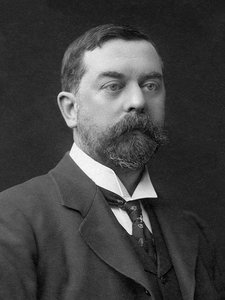


 Przełącz na wydania drukowane


 W przypadku dzieł sztuki lub reprodukcji, których którykolwiek z boków przekracza 105 cm (około 41 cali), rama zostanie wysłana w formie zestawu do samodzielnego montażu. Metoda ta zapewnia bezpieczną dostawę i zapobiega uszkodzeniom podczas transportu.