


 Podgląd w skali 1:1
 Wyślij jako kartkę
 Udostępnij
 Szczegóły dzieła
 Przewodnik

 Pobierz obraz
 Podobne obiekty
 RTG
RTG Pokaz slajdów
 Pytania i odpowiedzi
 Statystyki
Reflection


 Rozwiń treść
Giclée / Wydruk artystyczny
Wydruki giclée lub płótna o jakości muzealnej, szybka realizacja i szeroki wybór opcji wykończenia. ( Zamów ręcznie malowaną reprodukcję Przejdź do wersji cyfrowej)




P118B zł10

P118H zł10

P118W zł10

P438Z zł10

P508JH zł12

P508YH zł12

P805H zł10

P805Z zł10

P919BZ zł10

P919G zł10

P919XJ zł10

P959ZH zł10

P968JZ zł12

W106C zł8

W218G zł10

W218JH zł8

W218Y zł10

W307PJ zł10

W316G zł10

W316PJ zł8

W316Y zł10

W398PJ zł8

W4111J zł10

W500HY zł15

W500JH zł15

W692G zł12

W849H zł8

W940BG zł15

W953PJ zł8




Wybierz spośród naszych standardowych rozmiarów, które zachowują oryginalne proporcje dzieła sztuki.

Wpisz wymaganą szerokość i wysokość, aby dopasować grafikę do ramy lub ściany. Wydruk można jedynie przyciąć, nigdy nie powiększając go poza oryginalny obraz, dlatego format o innych proporcjach spowoduje utratę części kompozycji. Przed rozpoczęciem druku prześlemy Ci cyfrowy podgląd do zatwierdzenia. Obraz wyświetlany na tej stronie nie pokazuje rzeczywistego przycięcia — jedynie podgląd oddaje ten efekt.
Dostawa na cały świat () w ciągu 2 tygodni zamiast standardowych 4/5 tygodni. (15 Listopad)

Bezpłatna ekspresowa wysyłka na cały świat

Wysokiej jakości płótno lniane

Pełne ubezpieczenie przesyłki

Gwarancja zwrotu należności celnych i podatków importowych

Gwarancja wiernego odwzorowania kolorów

100-dniowa polityka zwrotów (tylko w przypadku wad)

Gwarancja 100% zwrotu pieniędzy

Zniżka przy zakupie wielu sztuk
 Opcja ze szkłem jest dostępna wyłącznie w rozmiarach poniżej 110 cm

Reflection
Giclée / Wydruk artystyczny
Wymiary reprodukcji
-


Cena całkowita
zł 252
A Moment Frozen in Watercolor: The Serenity of Sargent’s Reflection
In the vast repertoire of John Singer Sargent, few works capture the quietude of the natural world as intimately as Reflection. Created in 1908, this watercolor masterpiece invites the viewer into a secluded sanctuary, where a tranquil river winds through a landscape of rugged stones and lush foliage. At first glance, the composition appears deceptively simple—a mere study of a riverside scene—yet beneath its surface lies a profound observation of light and movement. Sargent, a master of capturing the ephemeral, uses the fluid medium of watercolor to document the subtle interplay between shadow and illumination upon the water's surface, turning a fleeting moment into an enduring meditation on peace.
The technique employed in Reflection is a testament to Sargent’s unparalleled command over tonal gradation and atmospheric perspective. Rather than relying on harsh outlines, he utilizes delicate washes of color that bleed into one another, creating an ethereal quality that mimics the way mist or light softens the edges of the world. His brushwork is both meticulous and spontaneous; while individual rocks and the gentle ripples of the river are rendered with a keen eye for detail, there is a deliberate blurring of distant elements that pulls the viewer deeper into the scene. This mastery of depth allows the murky, contemplative waters to feel tangible, as if one could reach out and disturb the very stillness he worked so hard to preserve.
Symbolism and the Soul of the Landscape
Beyond its visual beauty, Reflection is rich with symbolic resonance that speaks to the human condition. The composition is anchored by a large, imposing boulder on the left side, a feature that serves as a metaphor for stability and permanence amidst the relentless flow of time represented by the river. Nearby, a solitary tree reaches toward the upper corner, symbolizing resilience and the persistent growth of life even in the most rugged terrains. The water itself, dark and slightly opaque, acts as a mirror for introspection, inviting those who gaze upon it to engage in their own internal reflections on life’s journey.
Historically, this work emerges from a period where Sargent was engaging deeply with the legacies of Impressionism and Post-Impressionism. While many of his contemporaries were preoccupied with the frantic energy of urban modernization, Sargent found inspiration in the unspoiled grandeur of the English countryside. This choice reflects a broader Victorian fascination with idealized landscapes—places of refuge from the industrial age. For the collector or interior designer, this painting offers more than just aesthetic appeal; it provides an emotional anchor. Whether placed in a sunlit gallery or a quiet study, Reflection radiates a sense of awe and tranquility, making it a timeless addition for those seeking to infuse their spaces with the restorative power of nature.
Pytania i odpowiedzi
Jakie kolory dominują w dziele „Reflection” – John Singer Sargent?
„Reflection” charakteryzuje się paletą Dark, w której dominuje Espresso (#3a2626).
Jakie zastosowanie i przestrzeń są zalecane dla „Reflection” – John Singer Sargent?
„Reflection” idealnie sprawdzi się w Accent, a rekomendowanym miejscem jego ekspozycji jest Living Room.
Jaki kolor dominuje w kompozycji „Reflection” – John Singer Sargent?
Kolorem, który najbardziej wyróżnia się w "Reflection", jest Espresso (#3a2626). Dominujący kolor ułatwia dopasowanie dzieła sztuki do wnętrza.
Podobne dzieła


Biografia artysty
Wczesne lata, rodzina i kształcenie
Urodzony 12 stycznia 1856 roku we Florencji we Włoszech, John Singer Sargent wkroczył w świat ukształtowany przez nieustanny ruch jego amerykańskich rodziców, Fitzwilliam'a i Mary Newbold Sargent. Jego ojciec służył wcześniej jako chirurg okulista w Wills Eye Hospital w Filadelfii w latach 1844–1854. To medyczne wykształcenie zapewniło stabilne, choć przejściowe, fundamenty, zanim życie rodziny zostało zdefiniowane przez kosmopolityczne rytmy Europy. Dom ten był przesiąknięty artystycznymi skłonnościami; jego siostra Mary przyszła na świat w 1857 roku, a siostra Emily z czasem zapisała się na kartach historii jako utalentowana malarka. Te wczesne lata nie polegały na posiadaniu stałego miejsca na ziemi, lecz na całkowitym zanurzeniu w wizualnych tradycjach kontynentu.
Jego formalna edukacja prowadziła przez najważniejsze ośrodki europejskiej sztuki, a proces kształcenia obejmował Florencję, Paryż i Londyn. W Paryżu trafił do pracowni Carolus-Duran, a to mentorstwo miało fundamentalnie wpłynąć na jego podejście techniczne. Ten okres studiów był kluczowy dla doskonalenia umiejętności obserwacyjnych, które stały się znakiem rozpoznawczym jego wczesnego rozwoju. Zamiast podążać sztywną, akademicką ścieżką, jego szkolenie było ciągiem bezpośredniego obcowania z mistrzami oraz specyficznymi metodami paryskich atelier. Z tych studiów wyszedł z biegłością techniczną, która pozwalała mu swobodnie poruszać się między ustrukturyzowanymi wymaganiami portretu a bardziej spontanicznymi potrzebami jego późniejszych poszukiwań artystycznych.
Lata paryskie i artystyczny skandal
W 1874 roku, mając zaledwie osiemnaście lat, John Singer Sargent wkroczył do paryskiej pracowni Carolus-Durana. Ta mentorska relacja okazała się przełomowa; nacisk położony na technikę direct painting pomógł mu wypracować niezwykłą biegłość techniczną oraz rzadką zdolność błyskawicznego i precyzyjnego oddawania podobieństwa osób portretowanych. Pragnąc jeszcze bardziej doskonalić swój warsztat, zapisał się do École des Beaux-Arts, gdzie poprzez studia nad modelami żywymi i odlewami budował solidne fundamenty swojego talentu. W tych kluczowych latach formacyjnych zaczął przebijać się do elity miasta, z wielką gracją poruszając się w skomplikowanych hierarchiach społecznych i artystycznych francuskiej stolicy.
Jego wznosząca się kariera wiodąca ku mianu czołowego malarza salonowego została jednak gwałtownie przerwana przez nagły, ostry skandal. Premiera obrazu Madame X (Portret Madame Pierre Gautreau) podczas Salonu w 1884 roku wywołała kontrowersje, które zagroziły jego rozwijającej się sławie. Odważny sposób przedstawienia tej damy z wyższych sfer – z jej nieskazitelną, bladą cerą i sugestywną pozą – został uznany przez paryskie społeczeństwo za wysoce prowokacyjny. Choć artysta próbował później łagodzić przekaz, przemalowując ramiączko sukni modelki, społeczny odwet był nieunikniony i dotkliwy. Ten skandal ostatecznie zmusił go do opuszczenia Paryża i powrotu do Anglii, gdzie szukał bardziej przychylnego odbiorcy dla swoich wybitnych talentów.
Sukces w Londynie i mistrzostwo portretu
Skandal w Paryżu wymusił na artyście znaczącą zmianę trajektorii życiowej, co doprowadziło go do przeprowadzki do Londynu w 1886 roku. Ten ruch okazał się punktem zwrotnym w jego karierze, gdyż John Singer Sargent przeszedł drogę od postaci budzącej kontrowersje do miana czołowego portrecisty swojego pokolenia. Dysponował on rzadkim poziomem profesjonalnej niezależności; mógł swobodnie wybierać, które zlecenia przyjąć, oraz dyktować bardzo wysokie ceny za swoje dzieła. Ta autonomia pozwoliła mu poruszać się w najwyższych kręgach społeczeństwa z poczuciem autorytetu, którego mogło mu pozazdrościć wielu współczesnych mu twórców.
Jego modelami byli architekci ówczesnej epoki – od ścisłej elity towarzyskiej po wybitne postaci polityczne. Wśród licznych celebrytów, którzy pozowali do jego obrazów, znalazł się m.in. były prezydent Theodore Roosevelt. John Singer Sargent nie ograniczał się jedynie do rejestrowania podobieństwa; potrafił on uchwycić dynamikę społeczną oraz przepych ery edwardiańskiej. Jego niezwykła zdolność do dokumentowania charakteru swoich modeli sprawiła, że stał się postacią pożądaną przez tych, którzy pragnęli zabezpieczyć swoje miejsce w wizualnej historii epoki.
- The Wyndham Sisters (1899)
- The Misses Hunter (1902)
- Henry James (1913)
- John D. Rockefeller (1917)
Technika i styl artystyczny
Podejście Johna Singera Sargenta do płótna definiowała niezwykła biegłość techniczna, a w szczególności jego rzadka umiejętność „rysowania pędzlem”. Pod okiem mentora, Carolusa-Durana, artysta przyjął zasadę malarstwa bezpośredniego – metody, która przedkładała natychmiastowe nakładanie pigmentu nad bezpieczną pewność wstępnych szkiców. To szkolenie nauczyło go chwytania samej esencji tematu poprzez spontaniczne, zdecydowane ruchy. Jego metoda często polegała na nakładaniu tonów w dyskretnych, mozaikowych plamach, które następnie łączył, aby uzyskać wrażenie głębi i formy. Taki proces pozwalał na pewną płynność, która stała się znakiem rozpoznawczym jego unikalnej ręki.
Twórczość artysty odzwierciedlała dwoistą naturę jego temperamentu. W portretach na zamówienie trzymał się stylu grand manner, spełniając oczekiwania swoich modeli z wyższych sfer z niezwykłą elegancją i opanowaniem. Jednak jego nieformalne studia i pejzaże ujawniały zupełnie inne skłonności. W tych dziełach przejawiał on zażyłość z impresjonizmem, wykorzystując swobodne pociągnięcia pędzla, by uchwycić ulotne zmiany światła. Ta wszechstronność pozwalała mu płynnie poruszać się między ustrukturyzowanymi wymaganiami formalnego portretu a bardziej ekspresyjnymi, atmosferycznymi potrzebami malarstwa plenerowego.
- El Jaleo
- Carnation, Lily, Lily, Rose
- Madame X
Kluczowe dzieła i artystyczny rozmach
Twórczość, którą pozostawił po sobie John Singer Sargent, była niezwykle obszerna, obejmując około 900 obrazów olejnych oraz ponad 2000 akwareli. Tematyka jego prac podążała za jego wędrówkami przez świat, dokumentując krajobrazy i postacie od Wenecji, Tyrolu, Korfu i Capri, aż po Bliski Wschód, Hiszpanię, Montanę, Maine i Florydę. Ta geograficzna szerokość perspektywy pozwalała mu swobodnie poruszać się między rygorystycznymi wymogami portretu wysokich sfer a spontanicznymi potrzebami studiów plenerowych. Choć jego sława nierozerwalnie wiązała się z elegancją portretowanych modeli, jego szkice i rysunki węglem ujawniają nieustanne, uważne oko, które poszukiwało istoty chwili, a nie tylko powierzchownego podobieństwa.
Zdolność artysty do poruszania się między różnymi gatunkami sztuki jest wyraźnie widoczna w kontraście między jego najsłynniejszymi tematami. Madame X pozostaje centralnym punktem wczesnego etapu jego kariery, dziełem, które zdefiniowało jego obecność na paryskiej scenie artystycznej. W przeciwieństwie do tego, jego późniejsza fascynacja światem natury i mniej formalnymi sceneriami zaowocowała takimi pracami jak Goździk, lilia, lilia, róża, przedstawiającymi dwie młode dziewczęta w angielskim ogrodzie. Potrafił on również uchwycić energię ruchu w El Jaleo, będącym portretem hiszpańskich tancerek flamenco. Te dzieła świadczą o niezwykłej elastyczności technicznej, która pozwalała mu płynnie przechodzić od ciężkich, formalnych wymogów zamówień portretowych do pełnej światła atmosfery ogrodu lub tańca.
- 1882: El Jaleo
- 1885: Goździk, lilia, lilia, róża
Dziedzictwo i nieprzemijający wpływ
W chwili śmierci, która nastąpiła 15 kwietnia 1925 roku, dorobek artystyczny, który pozostawił po sobie John Singer Sargent, osiągnął imponującą skalę, obejmując około 900 obrazów olejnych oraz ponad 2000 akwareli. Jego niezwykła biegłość techniczna, a w szczególności rzadka umiejętność „rysowania pędzlem”, odcisnęła trwałe piętno na kolejnych pokoleniach twórców. Choć fundamentem jego sławy stały się prestiżowe portrety z epoki edwardiańskiej, prawdziwy wpływ artysty wykraczał daleko poza ramy salonowych zamówień, przenikając do samej mechaniki oddawania światła i atmosfery na płótnie.
Postrzeganie szerokiego spektrum jego talentu przeszło istotną metamorfozę w latach 80. XX wieku. Ponowne odkrycie wcześniej pomijanych aktów męskich pozwoliło na nakreślenie znacznie bardziej złożonego obrazu jego intencji twórczych, przenosząc dyskusję o jego sztuce poza wąskie kręgi towarzyskie, w których operowały jego portrety. To rozszerzenie znanego dotąd oeuvre ukazało artystę pełnego niuansów, którego pasje nie ograniczały się jedynie do błyszczących powierzchni Złotego Wieku. Jego dzieła nieustannie przyciągają rzesze widzów na całym świecie, zachowując stałą obecność w najważniejszych instytucjach, takich jak Metropolitan Museum of Art oraz Tate Gallery.
- El Jaleo
- Carnation, Lily, Lily, Rose
- Madame X
- The Wyndham Sisters
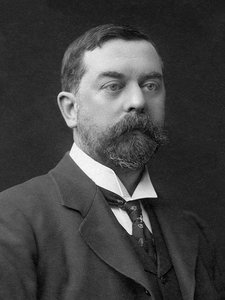
John Singer Sargent
1856 - 1925 , Włochy
Krótka nota
- Artistic Movement Or Style: Impresjonizm
- Artists Or Movements Influenced By This Artist: ['Kolejne pokolenia artystów']
- Artists Who Influenced This Artist:
- Carolus-Duran
- Diego Velázquez
- Date Of Birth: 1856
- Date Of Death: 1925
- Full Name: John Singer Sargent
- Nationality: Amerykanin
- Notable Artworks:
- Madame X
- El Jaleo
- Carnation, Lily, Lily, Rose
- Place Of Birth: Florencja, Włochy
Powiązane artykuły

Riverine Landscapes: A Study of Water and Light in Art History
Explore the evolution of riverine landscapes from Renoir to Hokusai. Discover the mastery of light and water in art history.

Mastering Light & Elegance: The Top 25 John Singer Sargent Artworks
Step into the Gilded Age with our curated guide to the top 25 John Singer Sargent masterpieces. Explore the elegance of his iconic portraits and breathtaking light. Find museum-quality art reproductions for your decor. Discover all masterpieces on AllPaintingsStore.com.


