

1892. Oil On Canvas, 68.0 x 59.0 cm. Muzeum Sztuki Nelson-Atkins.

§ 1Dane katalogowe

- 68.0 x 59.0 cm


§ 2Abstrakcja
Opis obiektu
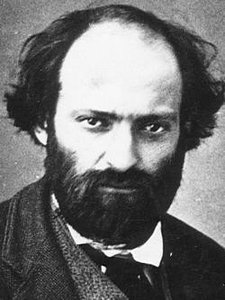
A contemplative man in a vibrant red scarf emerges through Paul Cezanne's bold Post-Impressionist brushstrokes in this soulful portrait that invites you to bring a piece of art history into your own home.
 Rozwiń treść
Biografia artysty
Mistrz postimpresjonizmu Paul Cézanne połączył impresjonizm z kubizmem. Odkryj jego rewolucyjne dzieła już dziś.
§ 3Komentarz
A Study in Quiet Observation: Cézanne’s Man with Pipe
Paul Cézanne's "Man with Pipe" (1896) stands as an emblem of Post-Impressionist art, encapsulating a profound exploration of form and color that irrevocably altered the trajectory of modern painting. More than just a portrait, it embodies Cézanne’s unwavering dedication to capturing the essence of his subject—a rural laborer from Provence—through meticulous observation and simplified geometric representation. This artwork resides within the Nelson-Atkins Museum of Art in Kansas City, United States, where its presence invites contemplation on themes of tradition, stillness, and the artist's profound connection to his homeland.- Subject Matter: The painting depicts a solitary man seated against a wall, holding a pipe in his mouth with a contemplative gaze directed outwards. Cézanne deliberately chose this subject from amongst the everyday figures of Provence—a region he deeply revered and whose landscapes served as constant inspiration for his artistic endeavors.
- Style & Technique: Cézanne’s approach diverges dramatically from Impressionism's focus on fleeting impressions of light and color. Instead, he employs a technique characterized by bold brushstrokes—often thick and textured—that sculpt the surface of the canvas, creating an illusion of volume and solidity. These strokes are arranged in planes that intersect to define form, mirroring Cézanne’s fascination with geological structures like Mont Sainte-Victoire.
- Color Palette: The color scheme is restrained yet impactful, dominated by earthy browns—primarily for the man's clothing and background—contrasted by a vibrant vermilion red scarf. This deliberate use of color isn’t intended to mimic reality but rather to convey emotion and subtly enhance the painting’s overall mood. Cézanne’s palette reflects his desire to distill visual experience into its most fundamental elements.
- Historical Context: Painted in 1896, “Man with Pipe” emerged during a pivotal period in Cézanne's artistic development—a time when he was experimenting with increasingly abstract forms and rejecting the conventions of academic painting. It foreshadowed the burgeoning Cubist movement, demonstrating Cézanne’s willingness to push boundaries and redefine artistic expression.
- Symbolism & Emotional Impact: Beyond its formal qualities, “Man with Pipe” resonates with symbolic significance. The man's posture exudes calmness and serenity, embodying Cézanne’s idealized vision of the rural peasantry—individuals rooted in tradition and untouched by the anxieties of modern life. The painting invites viewers to contemplate themes of contemplation, resilience, and the enduring beauty of simplicity.
Pytania i odpowiedzi
Co przedstawia „Man with a Pipe (L” – Paul Cézanne?
Tematyka dzieła "Man with a Pipe (L" to provence, landscape, rural life, cézanne, portraiture, geometric forms, study.
Skąd pochodzą odwiedzający „Man with a Pipe (L” – Paul Cézanne?
Dla dzieła „Man with a Pipe (L” dostępna jest strona Statystyki wyświetleń. Przedstawia ona miesięczną liczbę odwiedzin tego dzieła oraz innych prac artysty, z podziałem na kraje i języki.
Co przedstawia "Man with a Pipe (L" i jaką ma atmosferę?
"Man with a Pipe (L" przedstawia provence, landscape, rural life, cézanne, portraiture, geometric forms, study, a jego nastrojowy charakter można określić jako Calm.


 Przełącz na wydania drukowane


 W przypadku dzieł sztuki lub reprodukcji, których którykolwiek z boków przekracza 105 cm (około 41 cali), rama zostanie wysłana w formie zestawu do samodzielnego montażu. Metoda ta zapewnia bezpieczną dostawę i zapobiega uszkodzeniom podczas transportu.


