


 Zobacz w skali 1:1
 Wyślij
 Udostępnij
 Szczegóły
 Przewodnik

 Pobierz plik obrazu
 Podobne obiekty
 RTG
RTG Pokaz slajdów
 Statystyki
Galatea


 Czytaj więcej
Ręcznie malowana reprodukcja olejowa
Ręcznie malowany obraz olejny na płótnie, wykonany na zamówienie przez naszych artystów w wybranym przez Ciebie wymiarze i oprawie. ( Przełącz na wersję drukowaną Przełącz na wersję cyfrową)




P118B zł10

P118H zł10

P118W zł10

P438Z zł10

P508JH zł12

P508YH zł12

P805H zł10

P805Z zł10

P919BZ zł10

P919G zł10

P919XJ zł10

P959ZH zł10

P968JZ zł12

W106C zł8

W218G zł10

W218JH zł8

W218Y zł10

W307PJ zł10

W316G zł10

W316PJ zł8

W316Y zł10

W398PJ zł8

W4111J zł10

W500HY zł15

W500JH zł15

W692G zł12

W849H zł8

W940BG zł15

W953PJ zł8




Wybierz spośród naszych standardowych rozmiarów, które zachowują oryginalne proporcje dzieła sztuki.

Wpisz wymaganą szerokość i wysokość, aby obraz pasował do Twojej ramy lub ściany. Ponieważ jest to dzieło malowane ręcznie, w przypadku rozmiaru o innym proporcji artysta może domalować nieco więcej wokół obrazu lub przyciąć fragmenty — wybór należy do Ciebie. Przed rozpoczęciem pracy prześlemy Ci cyfrową wizualizację do zatwierdzenia. Obraz widoczny na tej stronie nie przedstawia rzeczywistego efektu — jedynie wizualizacja oddaje realny rezultat.
Po złożeniu zamówienia zespół AllPaintingsStore.com skontaktuje się z klientem drogą mailową w celu uzyskania instrukcji i prześle wizualizację projektu
Dostawa na całym świecie () w ciągu 3–4 tygodni zamiast standardowych 5 tygodni. (22 Październik). Bez kompromisów w kwestii jakości.

Bezpłatna ekspresowa wysyłka na cały świat

Wysokiej jakości płótno lniane

Pełne ubezpieczenie transportowe

Gwarancja zwrotu należności celnych i podatków importowych

Gwarancja idealnego odwzorowania barw

100-dniowy okres na zwrot dzieła w przypadku wykrycia wad produkcyjnych

Gwarancja 100% zwrotu pieniędzy

Oferta przy zakupie wielu sztuk
 Opcja ze szkłem jest dostępna wyłącznie w rozmiarach poniżej 110 cm

Galatea
Technika wykonania
Rozmiar reprodukcji
-


Suma do zapłaty
zł 990
Robert Le Lorrain: A Vision of Mythic Beauty
Giovanni Francesco Barbieri, universally known as Il Guercino (1591-1666), stands as a pivotal figure in the transition between Mannerism and Baroque painting. Born in Cento, a small town near Bologna, Italy, his early life was marked by a physical condition – a pronounced squint that earned him the nickname “il guercino,” meaning ‘the squinter.’ This visual impairment profoundly shaped his artistic vision, fostering an intense sensitivity to light, shadow, and form, ultimately leading to a distinctive style characterized by dramatic contrasts and a powerful emotional resonance. Unlike many artists of his time who relied on idealized beauty and classical restraint, Guercino embraced a more visceral approach, drawing inspiration from Caravaggio’s revolutionary use of tenebrism – the stark juxtaposition of light and dark – while simultaneously developing a unique expressive language. He wasn't merely depicting figures; he was conveying feeling—a palpable drama that distinguishes his oeuvre from its predecessors.- Early Influences: Guercino’s formative years were steeped in the artistic traditions of Bologna, where Mannerist principles – emphasizing stylized forms and attenuated colors – held sway. However, he quickly absorbed the burgeoning Baroque fervor emanating from Rome, particularly Caravaggio's groundbreaking technique of chiaroscuro, which would become a cornerstone of his own style. This encounter proved transformative, propelling him toward a bolder aesthetic that prioritized emotional intensity over meticulous realism.
- Technique and Style: Guercino’s mastery lay in his ability to manipulate light and shadow with breathtaking precision. He employed tenebrism extensively, creating scenes bathed in pools of luminous illumination against oppressive darkness—a deliberate strategy designed to heighten dramatic effect and evoke profound psychological states. His brushstrokes were loose and expressive, conveying movement and texture without sacrificing compositional clarity.
- Galatea: A Mythological Emblem The subject matter of “Galatea” – the mythological tale of Galatea and Perseus – embodies Guercino’s preoccupation with classical themes infused with humanist sensibilities. The sculpture depicts Galatea, a nymph from Greek mythology, being rescued by Perseus from Medusa's gaze. This narrative serves as an allegory for overcoming adversity and achieving spiritual enlightenment—a common motif in Baroque art reflecting the era’s fascination with moral philosophy and religious symbolism.
- Compositional Drama: Notice the careful arrangement of figures against a dark backdrop, emphasizing Galatea’s serene beauty amidst turbulent circumstances. The sculptor skillfully utilizes perspective to create depth and illusion, drawing viewers into the scene's emotional core. The subtle interplay of light and shadow sculpts form and enhances the narrative impact—a testament to Guercino’s artistic genius.
- Legacy: Robert Le Lorrain’s “Galatea” remains a celebrated exemplar of Baroque art, admired for its expressive power and masterful execution. Its enduring appeal testifies to Guercino's ability to capture not only the visual splendor of classical mythology but also the profound psychological complexities inherent in human experience—a timeless masterpiece that continues to inspire artists and collectors alike.
Provenance and Historical Context
The sculpture’s journey through history began at Académie Royale, Paris, in 1701, where it was acquired by Louis XIV's court. Subsequently, it transitioned into the possession of Jean-Baptiste Henry Collin de Sussy, a prominent French aristocrat, before finding its way to the Samuel H. Kress Foundation and eventually becoming part of the National Gallery’s collection. This provenance underscores the sculpture’s significance as a symbol of artistic patronage during the Enlightenment—a period characterized by intellectual curiosity and aesthetic refinement. The artwork's presence in prestigious institutions reflects its enduring value as an exemplar of Baroque artistry and its contribution to European cultural heritage.Further Exploration
To delve deeper into Robert Le Lorrain’s artistic vision, explore these resources:Recommended Reproduction
Consider commissioning a high-quality reproduction of “Galatea” to bring this iconic Baroque sculpture into your home or workspace—a beautiful reminder of Guercino’s artistic brilliance and the enduring power of classical mythology.Pytania i odpowiedzi
Jaki jest dominujący kolor w „Galatea” autorstwa Robert Le Lorrain?
Kolorem, który najbardziej wyróżnia się w "Galatea", jest Putty (#c5bbb3). Dominujący kolor jest pomocny przy dopasowywaniu dzieła sztuki do wnętrza.
Do jakiego nurtu i do której epoki zalicza się „Galatea” autorstwa Robert Le Lorrain?
"Galatea" należy do nurtu Baroque, a jego twórca tworzył w epoce Early Modern.
Jaką nasycenie i intensywność prezentuje „Galatea” autorstwa Robert Le Lorrain?
Dzieło „Galatea” autorstwa Robert Le Lorrain zostało utrwalone z nasyceniem na poziomie Muted oraz intensywnością Monochromatic.
Podobne dzieła


Biografia artysty
Giovanni Francesco Barbieri, ‘Il Guercino’ – A Master of Dramatic Light and Shadow
Giovanni Francesco Barbieri, universally known as Il Guercino (1591-1666), stands as a pivotal figure in the transition between Mannerism and Baroque painting. Born in Cento, a small town near Bologna, Italy, his early life was marked by a physical condition – a pronounced squint that earned him the nickname “il guercino,” meaning ‘the squinter.’ This visual impairment profoundly shaped his artistic vision, fostering an intense sensitivity to light, shadow, and form, ultimately leading to a distinctive style characterized by dramatic contrasts and a powerful emotional resonance. Unlike many artists of his time who relied on idealized beauty and classical restraint, Guercino embraced a more visceral approach, drawing inspiration from Caravaggio’s revolutionary use of tenebrism – the stark juxtaposition of light and dark – while simultaneously developing a unique expressive language.- Early Influences: Guercino's artistic journey began largely through self-study, though he received crucial instruction from Benedetto Gennari, a prominent Bolognese painter. His early works demonstrate a clear debt to the Carracci brothers, particularly Ludovico, whose emphasis on naturalism and dynamic composition served as a foundational influence.
- Rome and the Papal Court: A pivotal moment in his career arrived when he was summoned to Rome by Pope Gregory XV in 1621. This invitation provided him with access to significant commissions and exposed him to the vibrant artistic milieu of the city, further refining his technique and broadening his subject matter.
- A Varied Style: Guercino’s style evolved considerably throughout his career, reflecting both external influences and internal experimentation. His early works are characterized by a refined elegance and a meticulous attention to detail, while later paintings exhibit a greater sense of dynamism, emotional intensity, and a looser brushstroke.
The Dramatic Power of Light and Shadow
Guercino’s most distinctive contribution to the art world lies in his masterful manipulation of light and shadow – a technique he honed through years of careful observation and relentless experimentation. Unlike many of his contemporaries who employed chiaroscuro as a mere stylistic device, Guercino used it to convey profound psychological states and heighten the dramatic impact of his scenes. He meticulously studied the way light interacts with surfaces, creating an illusion of depth and volume that draws the viewer into the heart of the composition.- Tenebrism’s Influence: While not a direct follower of Caravaggio, Guercino absorbed many of the principles of tenebrism, employing strong contrasts between light and dark to create a sense of mystery and drama.
- Modeling and Shading: His approach extended beyond simple darkness; he skillfully used subtle gradations of shading to model forms, creating a remarkable illusion of three-dimensionality.
- Emotional Resonance: Guercino’s use of light and shadow was not merely decorative but served as a powerful tool for communicating emotion – conveying feelings of anguish, ecstasy, or profound contemplation.
Key Works and Patronage
Guercino's prolific output spanned a wide range of subjects, including biblical scenes, mythological narratives, portraits, and allegorical compositions. His most celebrated works include *Jacob Blessing the Sons of Joseph* (1620), a monumental altarpiece housed in the National Gallery of Ireland, and *The Cumaean Sibyl* (c. 1638), a dramatic depiction of the prophetess foretelling the birth of Christ. He also produced numerous drawings, which are highly valued for their technical brilliance and expressive power.- Ecclesiastical Commissions: A significant portion of Guercino’s work was commissioned by churches and religious institutions, reflecting his commitment to serving the Catholic Church.
- Portraiture: He also produced a number of portraits, often characterized by their psychological depth and subtle nuances of expression.
- The National Gallery Collection: The National Gallery in London holds an exceptional collection of Guercino’s works, providing invaluable insight into the evolution of his style and artistic vision.
Legacy and Historical Significance
Despite facing criticism during his lifetime for stylistic shifts and a perceived decline in quality, Guercino's influence on subsequent generations of artists is undeniable. His innovative use of light and shadow, combined with his dramatic compositions and profound emotional intensity, paved the way for future developments in Baroque painting. He stands as a testament to the power of individual vision and the enduring legacy of a truly remarkable artist.- Influence on Later Artists: Guercino’s work inspired artists such as Frans Hals and influenced Impressionist painters like Monet and Van Gogh.
- A Bridge Between Styles: He represents a crucial link between Mannerism and Baroque, embodying the dynamism and expressive potential of both styles.
- Rediscovery in the 20th Century: Guercino’s work experienced a significant revival in the 20th century, thanks to the efforts of scholars like Sir Denis Mahon, who meticulously researched his life and oeuvre, ensuring that his artistic achievements would be recognized and appreciated by a wider audience.

Robert Le Lorrain
1666 - 1743 , France
Najważniejsze informacje
- Full Name: Giovanni Francesco Barbieri, called Guercino
- Nationality: Italian
- Date Of Birth: 1666
- Date Of Death: 1743
- Place Of Birth: Paris, France
- Notable Artworks:
- Jacob blessing the sons of Joseph
- King David
- The Cumaean Sibyl
- Hagar and Ishmael
- Artistic Movement Or Style: Baroque
- Artists Who Influenced This Artist:
- Caravaggio
- Ludovico Carracci
- Artists Or Movements Influenced By This Artist:
- Frans Hals
- Impressionists
Zobacz także powiązane artykuły

Trwała Forma: Rzeźba w Historii – Technika i Rezonans Emocjonalny
Poznaj historię rzeźby od antyku do współczesności! Ekspercka analiza technik, stylów i emocjonalnego wpływu arcydzieł. Inspiracje dla kolekcjonerów i miłośników sztuki.

Trwałe Formy: Ewolucja Technik i Tematów w Rzeźbie Przez Wieki – Od Antyku do Renesansu
Poznaj fascynującą historię rzeźby od antyku do renesansu! Odkryj techniki, wybitnych artystów i wpływ na współczesną sztukę. Ekspercka analiza dla kolekcjonerów i miłośników.

Teatralność i triumf: Dramat baroku w malarstwie i rzeźbie – od kontrreformacji do ekspresji emocji
Odkryj dramat i przepych sztuki baroku! Analiza malarstwa i rzeźby, wpływ kontrreformacji, kluczowi artyści oraz filozofia vanitas. Ekspercka wiedza dla miłośników historii sztuki.

10 Legendarnych Brązów, Które Zrewolucjonizowały Sztukę | AllPaintingsStore
Odkryj 10 legendarnych rzeźb brązowych, które zrewolucjonizowały sztukę! Poznaj historie Rodina, Donatello i innych mistrzów. Inspiracje wnętrzarskie & reprodukcje najwyższej jakości na AllPaintingsStore.com.
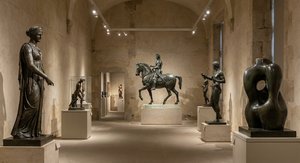
10 Legendarnych Brązów Rzeźbiarskich, Które Zmieniły Sztukę | AllPaintingsStore
Odkryj 10 legendarnych rzeźb brązowych od Rodina, Degasa i innych mistrzów! Poznaj historię powstania arcydzieł sztuki i inspiruj się do dekoracji wnętrz. Reprodukcje najwyższej jakości na AllPaintingsStore.com – zobacz kolekcję!

