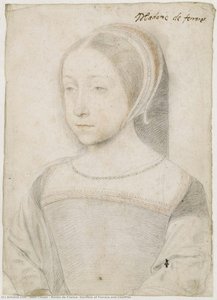
1520. Acrylic On Canvas, 284.0 x 200.0 cm. Condé Museum.

§ 1Catalogue data

- 284.0 x 200.0 cm


§ 2Abstract
Collectible Description
Admire Jean Clouet's masterful chalk portrait of Jean de la Barre (1520), capturing the contemplative gaze and intricate details of Renaissance nobility. Explore a timeless masterpiece.
 Read More
Artist Biography
Jean Clouet (1480-1541): French Renaissance portraitist & miniaturist famed for elegant drawings of Francis I's court. Discover his masterful use of chalk and psychological insight.
§ 3Commentary
Jean de la Barre: A Portrait of Renaissance Dignity
The portrait of Jean de la Barre, executed by Jean Clouet in 1520, stands as a testament to the artistic fervor and humanist ideals that characterized the French Renaissance. More than just a depiction of an individual, it embodies a broader cultural preoccupation with portraying human character—a fascination born from the rediscovery of classical texts and fueled by burgeoning intellectual curiosity. This artwork isn’t merely aesthetically pleasing; it's imbued with layers of meaning reflecting the anxieties and aspirations of its time.- Subject Matter: Jean de la Barre was a prominent diplomat and humanist scholar, serving as ambassador to England during Francis I’s reign. Clouet skillfully captured his dignified countenance—a man of considerable intellect and influence—reflecting the values championed by the humanist movement. The sitter's gaze directs outwards, suggesting contemplation and engagement with the wider world beyond the confines of the court.
- Style: Clouet’s style exemplifies the Flemish tradition brought to France during this period. He eschewed flamboyant ornamentation in favor of a restrained elegance that prioritized accuracy and subtlety. The artist meticulously rendered every detail, from the folds of Barre's clothing to the texture of his beard—a hallmark of Renaissance portraiture.
- Symbolism: The pose of Jean de la Barre—seated upright, hands clasped in contemplation—communicates a sense of inner strength and moral integrity. The hat he wears symbolizes status and authority, reflecting his position as ambassador and scholar. Furthermore, the artist’s meticulous attention to detail serves as a visual metaphor for humanist scholarship itself: every element contributes to a comprehensive understanding of the subject.
Questions & Answers
What is "Jean de la Barre" about?
The themes present in "Jean de la Barre" by Jean Clouet include portraiture, renaissance, flemish art, chalk drawing, detail, expressionism, historical figure. Together they summarize the artwork's subject matter.
What aliases or alternate names does Jean Clouet have?
Other names recorded for Jean Clouet, creator of "Jean de la Barre", include Janet, Jehannot, Cloet.
What does "Jean de la Barre" share with the rest of Jean Clouet's output?
"Jean de la Barre" shares with Jean Clouet's other works its Renaissance Portraiture style and the recorded themes: flemish realism, court patronage, humanist values, religious symbolism, portrait legacy.


 Switch to Print


 For artworks or reproductions larger than 105 cm (approximately 41 inches) on any side, the frame will be shipped as a kit, disassembled. This method ensures safe delivery and prevents damage during transport.