


 Se i rummet
 Send
Send Del
Del
 Detaljer
 Studieguide til kunstværker

 Download
 Lignende værker
 Røntgenundersøgelse
 Se diasshow
 Statistik
Still Life


 Læs mere
Håndlavet oliereproduktion
Håndmalet olie på lærred i din valgte størrelse og ramme, udført efter bestilling af vores kunstnere. ( Skift til printversion Skift til digitalt billede)




P118B Dkr10

P118H Dkr10

P118W Dkr10

P438Z Dkr10

P508JH Dkr12

P508YH Dkr12

P805H Dkr10

P805Z Dkr10

P919BZ Dkr10

P919G Dkr10

P919XJ Dkr10

P959ZH Dkr10

P968JZ Dkr12

W106C Dkr8

W218G Dkr10

W218JH Dkr8

W218Y Dkr10

W307PJ Dkr10

W316G Dkr10

W316PJ Dkr8

W316Y Dkr10

W398PJ Dkr8

W4111J Dkr10

W500HY Dkr15

W500JH Dkr15

W692G Dkr12

W849H Dkr8

W940BG Dkr15

W953PJ Dkr8




Vælg mellem vores forudindstillede størrelser, der matcher kunstværkets originale proportioner.

Indtast den bredde og højde, du har brug for, så det passer til din ramme eller din væg. Da dette er håndmalet, kan kunstneren ved en anden form på størrelsen male lidt mere rundt om billedet eller skære lidt væk — det er op til dig. Vi sender dig et digitalt mockup til godkendelse, før maleriet påbegyndes. Billedet, der vises på denne side, viser ikke det endelige resultat — det er kun mockuppet, der gør.
Efter bestilling vil AllPaintingsStore.com team sende en e-mail til kunden for at indhente instruktioner og fremsende et udkast til gennemgang.
Levering i hele verden () på 3-4 uger i stedet for de standard 5 uger. (27 oktober). Ingen kompromiser med kvaliteten.

Gratis ekspresforsendelse til hele verden

Lærred af linned i høj kvalitet

Komplet transportforsikring

Garanti for refusion af told og importafgifter

Garanti for autentisk farvegengivelse

100 dages returret ved fabrikationsfejl

100% fuld returret

Mængderabat ved flere køb
 Glasmulighed er kun tilgængelig i størrelser under 110 cm

Still Life
Reproduktionsmateriale
Reproduktionsstørrelse
-


Samlet pris
Dkr 1696
A Moment Frozen in Time: Ferdinand Guillaimin’s “Still Life”
Ferdinand Guillaimin's "Still Life," painted in 1872, isn’t merely a depiction of objects arranged on a table; it’s a carefully constructed tableau brimming with quiet observation and subtle symbolism. This work, rendered in the heart of the Impressionist movement, captures a fleeting moment of domestic tranquility – a scene both familiar and imbued with an understated elegance. The painting immediately draws the eye to the central arrangement: a vase overflowing with vibrant red and yellow flowers, their petals seemingly caught mid-bloom, radiating warmth against the cooler tones that dominate the rest of the composition. Beside them rests a worn book, its pages hinting at untold stories and intellectual pursuits, while a simple bowl holds what appears to be fruit – perhaps apples or pears – adding another layer of earthly abundance.
Guillaimin’s technique is distinctly Impressionistic, prioritizing capturing the *impression* of light and color rather than precise detail. Loose brushstrokes dance across the canvas, creating an atmospheric haze that softens the edges of each object. He masterfully employs broken color – applying small dabs of paint side-by-side to build up hues and create a shimmering effect, particularly noticeable in the reflections on the table’s surface. The dark background serves not as mere backdrop but as a crucial element, intensifying the luminosity of the floral arrangement and lending the scene a sense of intimacy and depth. The artist's focus is less on photographic realism and more on conveying the *feeling* of being present within this quiet space.
The Context of Parisian Impressionism
To fully appreciate “Still Life,” it’s essential to understand the artistic climate in which Guillaimin was working. The 1870s were a period of profound change and experimentation for French art, marked by the rise of Impressionism. Artists like Monet, Renoir, and Pissarro sought to break free from the rigid conventions of academic painting, embracing plein air (outdoor) painting and capturing the ephemeral qualities of light and atmosphere. Guillaimin’s work reflects this spirit of innovation, moving away from traditional subject matter and exploring new ways of representing the world around him.
Guillaimin's connection to Pissarro is particularly noteworthy. The artist spent a significant period painting alongside Pissarro in Pontoise, a suburb of Paris, where he found inspiration in the everyday life of the region. This proximity fostered a collaborative environment, allowing Guillaimin to refine his style and develop his unique approach to capturing light and color. The Impressionists were not simply interested in depicting what they *saw*; they were driven by a desire to express their subjective experience of the world.
Symbolism and the Language of Objects
Beyond its aesthetic qualities, “Still Life” is rich with symbolic meaning. The flowers themselves represent beauty, fragility, and the fleeting nature of life – themes frequently explored in Impressionist art. The book suggests knowledge, contemplation, and a connection to the past. The bowl of fruit symbolizes abundance, nourishment, and the pleasures of earthly existence. Even the dark background can be interpreted as representing mortality or the unknown.
Guillaimin’s use of these objects is deliberate and carefully considered, inviting the viewer to engage in a process of interpretation. He doesn't offer explicit explanations; instead, he presents a series of interconnected symbols that resonate with universal themes of beauty, life, and death. The arrangement feels deliberately balanced, creating a harmonious composition that evokes a sense of peace and serenity.
A Legacy of Delicate Beauty
Ferdinand Guillaimin’s “Still Life” stands as a testament to the power of observation and the enduring appeal of simple subjects rendered with exquisite sensitivity. It's a painting that rewards close attention, revealing layers of meaning and emotional depth with each viewing. Reproductions capture much of the original atmosphere, but nothing quite replicates the subtle nuances of light and color that define Guillaimin’s masterful technique.
Today, this work is celebrated for its evocative beauty and its contribution to the development of Impressionism. It remains a poignant reminder of the quiet moments of everyday life – a timeless meditation on beauty, mortality, and the enduring power of art.
Spørgsmål & svar
Tillader ophavsretten til "Still Life" af Armand Guillaumin reproduktioner?
"Still Life" af Armand Guillaumin, som findes på Musée d'Orsay, er i det offentlige domæne – ophavsretten er udløbet. Denne status afgør, om der må fremstilles reproduktioner af billedet.
Hvilken følelsesmæssig stemning formidler "Still Life" af Armand Guillaumin?
"Still Life" er forbundet med en Reflective følelse. Den emotionelle tone beskriver det indtryk, værket efterlader.
Hvor kan man i dag se "Still Life" af Armand Guillaumin udstillet?
Originalen af "Still Life" af Armand Guillaumin opbevares på Musée d'Orsay, Paris, France. En reproduktion gør det muligt at udstille værket i hjemmet.
Lignende kunstværker


Om kunstneren
Tidlig Liv og Karriere
Jean-Baptiste Armand Guillaumin, en fransk impressionist maler og litograf, blev født den 16. februar 1841 i Paris. Hans kunstneriske rejse begyndte i midten af det 19. århundrede, en tid hvor impressionismen voksede sig stærkt frem i Frankrig. Guillaumin voks op i et arbejderklassesmilie, søn af Jean Joseph Guillaumin, der var notar, og hans familie flyttede kort efter hans fødsel til Moulins, hvor Armand fik sin første uddannelse. Det var her, omgivet af de smukke landskaber og det bjergrige terræn, at hans interesse for kunst først spirede. Han begyndte sin kunstneriske træning på Accademia Suisse, hvor han studerede modellerne om morgenen og fortsatte med at udvikle sine færdigheder om aftenen. Her mødte han Courbet, og etablerede varige venskaber med malere som Cézanne og Pissarro. Guillaumin blev dybt påvirket af Manets arbejde og den franske realisme.Bidrag til Impressionismen
Guillaumins kunst spilte en væsentlig rolle i udviklingen af impressionismen, bevægelsen der søgte at fange de flygtige indtryk af lys og farve i naturen. Som aktivt medlem af denne gruppe deltog han i flere udstillinger, hvor han præsenterede sin unikke stil. Hans malerier fremstod ofte som drømmende, bløde landskaber, der resonerede med bevægelsens ånd. Guillaumin brugte levende farver og løse penselstrøg til at tilføje spontanitet til impressionismens karakteristiske udtryk. Han var en del af de tidlige Impressionist-udstillinger, hvor han præsenterede sine værker sammen med andre kunstnere. Hans arbejde var kendetegnet ved et forsøg på at fange øjeblikket og atmosfæren i naturen, ofte med fokus på lysets skiftende farver og former.Vigtige Arbejder og Samarbejdere
Guillaumin havde tætte forbindelser til en række andre kunstnere, der var centrale for impressionismen. Hans malerier blev udstillet sammen med værkerne fra Claude Monet, en anden af bevægelsens mest kendte figurer. Guillaumin lærte også af symbolistiske tendenser, som man kan se i hans brug af dristige farver og følelsesladede motiver – et forsøg på at fange mere end blot det ydre udseende. Et vigtigt aspekt af hans kunstneriske udvikling var hans samarbejde med Emile Zola, en kendt forfatter og intellektuel, der var tæt forbundet med impressionistiske kunstnere. Guillaumin solgte også flere af sine værker til sin ven Eugéne Murer, der havde åbnet en succesfuld café i Paris.Arv og Mindesdag
Ferdinand Guillaumin døde den 26. juni 1927, men hans bidrag til impressionismen er fortsat uvurderlige. Hans værker findes i forskellige museer og samlinger, herunder dem, der udstilles på Mount Holyoke College Art Museum i USA og andre ansete institutioner. Hans kunst fortsætter med at inspirere og fascinere kunstinteresserede verden over. Guillaumin er en vigtig figur i den franske kunsthistorie, der bidrog til at forme impressionismens udvikling og skabte et unikt kunstnerisk udtryk.
Armand Guillaumin
1841 - 1927 , Frankrig
Hurtige fakta
- Artistic Movement Or Style: Impressionisme
- Artists Or Movements Influenced By This Artist: ['Claude Monet']
- Artists Who Influenced This Artist:
- Vincent van Gogh
- Paul Cézanne
- Date Of Birth: 16 feb. 1841
- Date Of Death: 26 jun. 1927
- Full Name: Jean Baptiste Armand Guillaumin
- Nationality: Fransk
- Notable Artworks:
- Have i Janville
- Flodscene
- Place Of Birth: Paris, Frankrig
Relaterede artikler

Blossoms of Time: A Historical Journey Through Flower Painting
Explore the captivating history of flower painting! Discover Dutch masters, symbolic meanings, & botanical art. Expert insights & high-quality reproductions at AllPaintingsStore.

Blossoming Symbolism: A Historical Journey Through Flowers in Western Painting
Explore the rich history of flower symbolism in Western painting! Discover how artists from the Renaissance to Modernism used blossoms to convey meaning, emotion & beauty. Learn about iconic artworks and movements.

Impressionismens Mestre: Top 10 Kunstværker til Dit Hjem – AllPaintingsStore.dk
Oplev impressionismens magi! Dyk ned i top 10 kunstværker af Monet, Renoir & Degas. Lær historierne bag disse ikoniske malerier og find inspiration til din indretning. Museumskvalitet reproduktioner på AllPaintingsStore.com – udforsk samlingen online!

Silent Narratives: Exploring the Enduring Appeal of Still Life Painting Across Centuries
Explore the rich history of still life painting with AllPaintingsStore. Discover Dutch Masters, decode vanitas symbolism & learn about collecting timeless art. Expert insights and museum-quality reproductions.
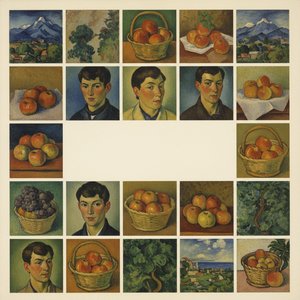
Paul Cézannes 25 Mesterværker: En Kunstnerisk Rejse til Moderne Malerkunst | AllPaintingsStore.dk
Oplev Paul Cézannes 25 mest ikoniske malerier – fra stilleben til landskaber. Lær om impressionismen, hans unikke stil og køb eksklusive kunsttryk på AllPaintingsStore.dk. Find inspiration til din indretning!

