

1885. Oil On Canvas.

§ 1Catalogue data


§ 2Abstract
Collectible Description
Experience Monet's 'Poppy Field' – a vibrant Impressionist masterpiece capturing nature’s beauty with bold colors & delicate brushstrokes. Own a stunning, hand-painted reproduction of this iconic Giverny scene.
 Read More
Artist Biography
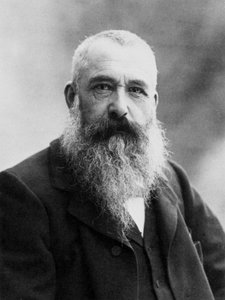
Claude Monet was an Impressionist master known for his Water Lilies series. Discover the beauty of his light-filled landscapes today.
§ 3Commentary
The Essence of Light and Color: Monet’s “Poppy Field in a Hollow near Giverny”
Claude Monet's "Poppy Field in a Hollow near Giverny," painted in 1885, isn’t merely a depiction of a field; it’s an immersion into the very soul of Impressionism. This iconic work transcends simple landscape painting, becoming a vibrant meditation on light, color, and the fleeting beauty of nature. Created during Monet's idyllic years at his home near Giverny in France, this piece captures a specific moment – a sun-drenched afternoon where poppies blaze with crimson intensity against the backdrop of rolling hills and dappled sunlight. It’s a testament to Monet’s revolutionary approach to art: abandoning traditional studio techniques for *plein air* painting, directly observing and capturing the ephemeral effects of light on his subject.
The scene unfolds within a small hollow, drawing the eye into a sea of scarlet poppies swaying gently in the breeze. These aren't static blooms; they are imbued with movement, each petal seemingly vibrating with life. The artist masterfully utilizes broken brushstrokes – short, distinct strokes of color applied side-by-side rather than blended—to create an illusion of shimmering light and texture. This technique is crucial to understanding Monet’s artistic philosophy: he wasn't interested in rendering a precise representation but rather conveying the *impression* of the scene as it appeared to his eye at that particular moment.
Monet’s Revolutionary Technique – A Dance with Light
At the heart of "Poppy Field" lies Monet’s groundbreaking approach to color. He deliberately avoided mixing colors on his palette, opting instead to apply pure hues directly to the canvas. This creates a remarkable luminosity and vibrancy—the reds are startlingly intense, the greens alive with reflected light, and the blues of the sky subtly shifting with the movement of clouds. The background trees, rendered in looser strokes, provide depth and contrast, anchoring the vibrant foreground without dominating it. Notice how Monet uses complementary colors – red and green, blue and orange – to heighten the visual impact and create a sense of dynamism.
Furthermore, Monet’s use of *tachism*, or “dabs” of color, is particularly evident in the rendering of the poppies. Rather than attempting to define individual petals with precise lines, he employs small, irregular patches of color that suggest form and volume. This technique contributes significantly to the painting's sense of spontaneity and immediacy—as if Monet were capturing a fleeting moment before it vanished.
A Giverny Legacy – Symbolism and Context
“Poppy Field in a Hollow near Giverny” is deeply rooted in Monet’s personal life and artistic journey. Following the loss of his beloved wife, Camille, in 1879, he sought solace and inspiration in the natural world surrounding his home at Giverny. The poppy field itself became a recurring motif in his work, symbolizing both beauty and transience—a poignant reflection on the passage of time and the ephemeral nature of life. The hollow, with its dappled light and sense of enclosure, creates a feeling of intimacy and contemplation.
Beyond its personal significance, the painting also embodies the broader artistic context of Impressionism. Monet was part of a group of artists who challenged traditional academic conventions and sought to capture the subjective experience of seeing. His work paved the way for modern art by emphasizing color, light, and atmosphere over precise representation. The garden at Giverny itself became an outdoor studio, allowing Monet to continually observe and paint the same subject under varying conditions – a deliberate strategy that informed his entire artistic practice.
Bringing “Poppy Field” Home: A AllPaintingsStore Reproduction
AllPaintingsStore is proud to offer meticulously crafted, hand-painted oil reproduction of Claude Monet’s "Poppy Field in a Hollow near Giverny." Unlike mass-produced prints, our reproductions capture the very essence of the original painting—the delicate brushstrokes, the vibrant colors, and the luminous quality of light. Each piece is created by skilled artists who have dedicated themselves to replicating Monet's unique style with unparalleled accuracy.
Owning a AllPaintingsStore reproduction allows you to bring this masterpiece into your home or office, transforming any space into a sanctuary of Impressionistic beauty. It’s more than just a print; it’s an investment in art history and a celebration of Monet's enduring legacy. Explore our collection today and discover the perfect way to experience the magic of "Poppy Field in a Hollow near Giverny."
Questions & Answers
What is the overall mood of "Poppy Field in a Hollow near Giverny" by Claude Monet?
The overall mood of "Poppy Field in a Hollow near Giverny" by Claude Monet is calm. The mood describes the general atmosphere of the work.
What is "Poppy Field in a Hollow near Giverny" made with?
Claude Monet used the oil on canvas technique for "Poppy Field in a Hollow near Giverny". The technique defines the material nature of the original work.
Which print setup is suggested for "Poppy Field in a Hollow near Giverny" by Claude Monet?
A print of "Poppy Field in a Hollow near Giverny" by Claude Monet is recommended at a large size in landscape orientation.


 Switch to Print


 For artworks or reproductions larger than 105 cm (approximately 41 inches) on any side, the frame will be shipped as a kit, disassembled. This method ensures safe delivery and prevents damage during transport.


