Preview
 Send
Send Share
Share
 Details
 Guide
Guide

 Download
 Similars
 X-Ray
X-Ray Diaporama
 Stats
StatsMonkeys
 1933
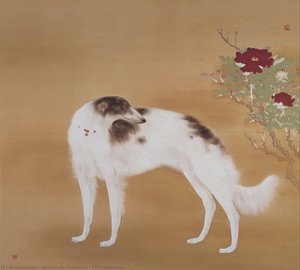
1933 139.0 x 158.0 cm
 Read More
Giclée / Art Print
Museum-quality giclée or canvas print with fast production and flexible finish options. ( Buy Hand Made Painting Switch to Digital Image)




































Pick from our preset sizes that match the artwork's original proportions.

Type the width and the height you need, to fit your frame or your wall. A print can only be cut, never made bigger than the picture, so a size with a different shape loses a part of the image. We send you a digital mockup to approve before we print anything. The picture shown on this page does not show the real cut — only the mockup does.
Worldwide Delivery () in 2 weeks instead of standard 4/5 weeks. (28 October)

Free Worldwide Express Shipping

High-Quality Linen Canvas

Full Shipping Insurance

Customs Tax Refund Guarantee

True Color Matching Guarantee

100-Day Return Policy (Defects Only)

100% Money-Back Guarantee

Bulk Discount Offer
 Glass option is only available in size under 110 CM

Monkeys
Giclée / Art Print
Reproduction Size
-


Total Price
$ 65
Questions & Answers
What was Hashimoto Kansetsu's age when "Monkeys" was created?
When "Monkeys" was created in 1933, Hashimoto Kansetsu - born in 1883 - was 50 years old.
How saturated is the palette of "Monkeys"?
The palette of "Monkeys" is subtle color in saturation.
Can I examine "Monkeys" in more detail?
The X-Ray view of "Monkeys" by Hashimoto Kansetsu is on the artwork's X-Ray page: an interactive examination of the image through eleven optical layers.
Related Artworks


Artist Biography
Hashimoto Kansetsu: A Life Dedicated to Nihonga
- Born: November 10, 1883, Kobe, Japan
- Died: February 26, 1945
- Nationality: Japanese
- Artistic Movement: Nihonga
Early Life and Training
- Hashimoto Kansetsu was born into a family of artists; his father, Hashimoto Kaikan, was also a painter. This upbringing instilled in him a deep appreciation for art and Chinese culture.
- He initially studied at Chikujokai, a private school founded by the renowned nihonga painter Takeuchi Seihō. However, he left due to differing artistic viewpoints.
- His early training focused on mastering traditional Japanese painting techniques and absorbing influences from both Japanese and Chinese art traditions.
Artistic Style and Influences
- Nihonga Specialization: Kansetsu dedicated his career to Nihonga, a style of Japanese painting that emerged during the Meiji period, emphasizing traditional Japanese aesthetics and techniques while incorporating elements of Western art.
- Chinese Inspiration: A significant influence on Kansetsu's work was Chinese scenery and classical literature. He frequently visited China, drawing inspiration from its landscapes and literary heritage.
- Themes & Subjects: His paintings often depicted scenes inspired by Chinese poetry and historical narratives, showcasing his erudition and artistic skill. Common subjects included figures, animals (particularly monkeys and dogs), and landscapes imbued with a sense of tranquility and elegance.
- Style Characteristics: Kansetsu's style is characterized by meticulous detail, refined brushwork, and a harmonious use of color. He skillfully blended traditional Japanese techniques with subtle Western influences, creating a unique and recognizable aesthetic.
Major Works and Recognition
- Notable Paintings: Some of his most celebrated works include "Tang Dogs" (唐犬), depictions of monkeys, and paintings inspired by historical figures like Emperor Godaigo.
- Museum Collections: His artworks are featured in prominent museums such as the Osaka City Museum of Fine Arts and the Honolulu Museum of Art.
- Awards & Honors: Kansetsu received numerous awards throughout his career, including first prize at the Bunten exhibitions in 1916 and 1917. He was also appointed an Imperial Household Artist, a prestigious honor recognizing his contributions to Japanese art.
Legacy and Historical Significance
- Contribution to Nihonga: Hashimoto Kansetsu played a crucial role in the development and popularization of Nihonga painting. His work helped define the style's aesthetic principles and established him as one of its leading figures.
- Hakusasonso Museum: His former residence, now known as the Hakusasonso (Hashimoto Kansetsu Memorial House), serves as a museum showcasing his extensive body of work and preserving his artistic legacy.
- Influence on Subsequent Artists: Kansetsu's influence can be seen in the works of later Japanese artists who continued to explore the possibilities of Nihonga, solidifying his place as an important figure in modern Japanese art history.

Hashimoto Kansetsu
1883 - 1945 , Japan
Quick Facts
- Full Name: Hashimoto Kansetsu
- Nationality: Japanese
- Date Of Birth: 1883
- Date Of Death: 1945
- Place Of Birth: Kobe, Japan
- Notable Artworks:
- 唐犬
- Monkeys
- Emperor Godaigo
- Artistic Movement Or Style: Nihonga painting
- Artists Who Influenced This Artist:
- Takeuchi Seihō
- Hashimoto Kaikan
- Artists Or Movements Influenced By This Artist:
- Uemura Shōen
- Kazuo Shiraga