- Home

- Oil Painting Reproduction
- jacopo carucci
- Visitation

 Buy print
 Send
Send Share
Share
 Details

 Download
 Similars
 X-Ray
X-Ray Diaporama
Visitation


 Read More
Hand Made Oil Reproduction
Hand-painted oil on canvas in your size and frame, made to order by our artists.




































Pick from our preset sizes that match the artwork's original proportions.

You may enter your own dimensions to fit a specific frame or space. If your selected size does not match the original image's proportions, we will either crop the artwork or extend the painting with additional hand-painted elements. A digital mockup will be sent for your approval before production begins.
Please note that the on-screen preview does not reflect the actual cropping or extension. Only the mockup will accurately show the final composition.
While custom sizes are available, we recommend selecting a dimension from the predefined list to preserve the original proportions.
After order, AllPaintingsStore.com team will email client for instructions and provide a mockup preview
Worldwide Delivery () in 3/4 weeks instead of standard 5 weeks. (16 July). No compromise on quality.

Free Worldwide Express Shipping

High-Quality Linen Canvas

Full Shipping Insurance

Customs Tax Refund Guarantee

True Color Matching Guarantee

60-Day Return Policy (Defects Only)

100% Money-Back Guarantee

Bulk Discount Offer
 Glass option is only available in size under 110 CM

Visitation
Reproduction Medium
Reproduction Size
-


Total Price
-
Artwork Description
The Visitation: A Masterpiece of Renaissance Devotion
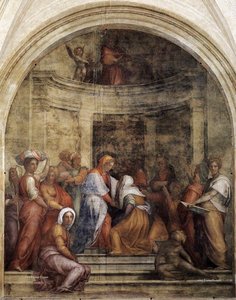
Jacopo Carucci, known as Pontormo, created this exquisite fresco in 1528, capturing a moment of profound religious significance with his signature Mannerist style. The "Visitation" is a testament to Pontormo's mastery of composition, color, and emotional depth, making it a sought-after piece for art enthusiasts and collectors alike.
Subject and Historical Context
The fresco depicts the Visitation, a biblical event where the Virgin Mary visits her cousin Elizabeth. This scene is rich with symbolism and narrative, reflecting the religious fervor of the Renaissance period. Pontormo's interpretation brings a sense of intimacy and reverence to this sacred moment, making it a powerful focal point for any space.
Style and Technique
Pontormo's Mannerist style is evident in the elongated figures, vibrant colors, and dynamic composition. The use of chiaroscuro (contrast between light and dark) adds depth and drama to the scene. The architectural framework and detailed drapery showcase Pontormo's meticulous attention to detail and his ability to create a sense of three-dimensional space on a two-dimensional surface.
Color Palette and Composition
The earthy tones of brown, beige, and soft reds create a serene and contemplative atmosphere. The semi-circular arrangement of figures around the central figure draws the viewer's eye inward, emphasizing the focal point of the scene. The use of architectural elements and cherubic figures adds layers of meaning and visual interest.
Emotional Impact
The "Visitation" evokes a sense of reverence and solemnity, inviting viewers to reflect on the spiritual significance of the scene. The emotive expressions and dynamic poses of the figures convey a range of emotions, from devotion to awe, making this piece a powerful addition to any collection.
Why Choose This Reproduction?
For art lovers, collectors, and interior designers seeking a high-quality reproduction, the "Visitation" offers a timeless piece that enhances any space. Its rich symbolism, masterful technique, and emotional depth make it a valuable addition to both personal and professional collections.
Enhance Your Space with Renaissance Elegance
Bring the beauty and spiritual depth of Pontormo's "Visitation" into your home or office. This exquisite reproduction captures the essence of the original, allowing you to experience the artistry and devotion of one of the Renaissance's most celebrated masters.
Related Artworks


Artist Biography
Jacopo Pontormo (1494 – 1557/7): Bridging Renaissance and Baroque Expression
Jacopo Pontormo, born Jacopo Carucci in Pontorme, Tuscany, circa 1494, stands as a singular figure within the Florentine Mannerist movement—a painter who defied convention and forged his own path toward artistic innovation. Unlike many of his contemporaries striving for idealized beauty rooted in classical ideals, Pontormo embraced emotional intensity and psychological complexity, marking him as a pivotal conduit between the serene grandeur of the High Renaissance and the dramatic dynamism of the Baroque era. His life was marked by both prodigious talent and personal tragedy, shaping his oeuvre into a testament to artistic vision tempered by profound sorrow. Early Training and Influences: Pontormo’s formative years were spent under the tutelage of Domenico del Pollaiuolo and Michelangelo Buonarroti—artists whose mastery of anatomical realism and sculptural form profoundly impacted his stylistic development. While acknowledging the Renaissance legacy, Pontormo swiftly distanced himself from its rigid formalism, gravitating toward a more expressive approach informed by Northern European art traditions. Notably, he studied engravings by Albrecht Dürer, absorbing techniques for conveying emotion through stylized imagery and compositional innovation. This exposure to Northern Mannerism would prove instrumental in shaping his distinctive visual language. The Mannerist Style: Pontormo’s artistic breakthrough arrived around 1515 with the commission of “Visitation,” a monumental altarpiece for Santissima Annunziata in Arezzo—a painting that immediately established him as a champion of Mannerist aesthetics. Characterized by elongated figures, flattened perspectives, and swirling draperies imbued with vibrant color palettes, Pontormo’s style rejected the Renaissance obsession with anatomical accuracy and harmonious proportions. Instead, he prioritized conveying psychological states—despair, grief, ecstasy—through distorted forms and ambiguous spatial relationships. This deliberate departure from established conventions signaled a radical rethinking of artistic representation, anticipating the dramatic innovations that would define the Baroque period. Notable Works and Legacy: Pontormo’s output encompassed a diverse range of subjects—religious scenes, portraits, and mythological compositions—each imbued with his characteristic Mannerist sensibility. Among his most celebrated paintings are “Joseph’s Coat Sold to the Egyptians,” “The Deposition,” and “Saint Francis Receiving Stigmata”—works that exemplify his masterful manipulation of color, light, and texture to evoke profound emotional resonance. His portraits, particularly those depicting members of Florence's Medici court, reveal an astute understanding of psychological nuance and a subtle engagement with Mannerist stylistic conventions. Pontormo’s influence extended beyond his own artistic achievements; he mentored younger artists—including Agnolo Bronzino—who carried forward his innovative vision into the subsequent generation of Florentine painters. His legacy resides not merely in his individual masterpieces but also in his role as a catalyst for artistic experimentation and a harbinger of stylistic change—a testament to his enduring contribution to European art history. Further Exploration: Pontormo’s oeuvre continues to fascinate scholars and connoisseurs alike, prompting ongoing debates about the nature of Mannerist aesthetics and its relationship to broader cultural trends. Museums worldwide showcase reproductions of his paintings—including those housed in the Uffizi Gallery in Florence—allowing visitors to experience firsthand the transformative power of his artistic vision. For a deeper understanding of Pontormo’s life and work, consult resources such as AllPaintingsStore.com/jacopo carucci and Wikipedia: Jacopo.
jacopo carucci
1494 - 1557 , Italy
Quick Facts
- Artistic Movement Or Style: Mannerism
- Artists Or Movements Influenced By This Artist:
- Michelangelo
- Rosso Fiorentino
- Artists Who Influenced This Artist:
- Leonardo da Vinci
- Andrea del Sarto
- Date Of Birth: 1494
- Full Name: Jacopo Pontormo
- Nationality: Italian
- Notable Artworks:
- Visitation
- Deposition
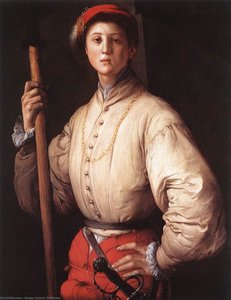
- Halberdier
- Place Of Birth: Pontorme, Italy
Related Articles

The Flourishing of Humanism: A Comprehensive Exploration of the Italian Renaissance Art Movement
Explore the Italian Renaissance! Discover humanist ideals, iconic masterpieces by Leonardo, Michelangelo & Raphael, and lasting artistic innovations. A comprehensive guide for art enthusiasts.
The Fresco as Family Legacy: Preserving Heritage Through Wall Art
Explore the rich history & enduring legacy of fresco painting. Discover how to preserve family heritage through stunning wall art. Expert insights & restoration guidance.

Jacopo Pontormo: A Bridge Between Renaissance Tradition & Mannerist Emotion
Explore the captivating world of Jacopo Pontormo, a pivotal Italian Mannerist painter. Discover his unique style, influences & masterpieces – and find museum-quality reproductions at AllPaintingsStore.

Antonio da Correggio: Innovation, Illusionism & the Poetics of Grace in Renaissance Painting
Explore the revolutionary art of Antonio da Correggio, a master of Renaissance illusionism and chiaroscuro. Discover his frescoes, mythological paintings & lasting influence on Baroque art. Expert analysis & key works featured.
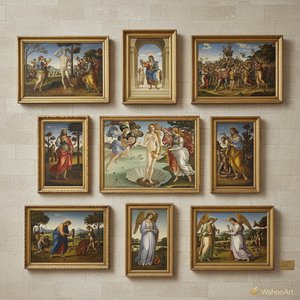
Early Renaissance Masters: 10 Paintings That Changed Art History |
Journey through the Early Renaissance! Explore 10 iconic paintings by Botticelli, Leonardo da Vinci & Michelangelo. Discover their stories, techniques & lasting impact. Find museum-quality art reproductions and elevate your home decor with .