


 Preview
 Send
Send Share
Share
 Details

 Download
 Similars
 X-Ray
X-Ray Diaporama
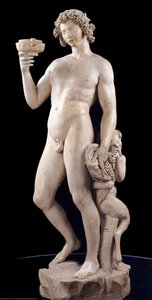
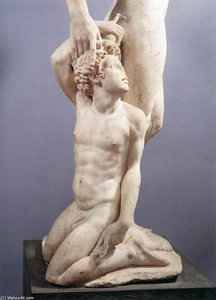
Bacchus

 Read More
Giclée / Art Print
Museum-quality giclée or canvas print with fast production and flexible finish options. ( Buy Hand Made Painting Buy Image)




































Pick from our preset sizes that match the artwork's original proportions.

You may enter your own dimensions to fit a specific frame or space. If your selected size does not match the original image's proportions, we will either crop the artwork or extend the image with a mirrored or solid-fill edge. A digital mockup will be sent for your approval before production begins.
Please note that the on-screen preview does not reflect the actual cropping or extension. Only the mockup will accurately show the final composition.
While custom sizes are available, we recommend selecting a dimension from the predefined list to preserve the original proportions.
Worldwide Delivery () in 2 weeks instead of standard 4/5 weeks. (19 August)

Free Worldwide Express Shipping

High-Quality Linen Canvas

Full Shipping Insurance

Customs Tax Refund Guarantee

True Color Matching Guarantee

60-Day Return Policy (Defects Only)

100% Money-Back Guarantee

Bulk Discount Offer
 Glass option is only available in size under 110 CM

Bacchus
Giclée / Art Print
Reproduction Size
-


Total Price
$ 65
Collectible Description
Related Artworks






Artist Biography
A Sculptor of Baroque Flourishes and Rococo Grace
Lambert-Sigisbert Adam, born in Nancy, France in 1700, emerged from a lineage steeped in artistic tradition. His father, Jacob-Sigisbert Adam, was a sculptor of local renown, providing young Lambert with an immersive introduction to the world of form and creation. Distinguishing himself as “Adam l’aîné” – the elder – amongst his equally talented brothers Nicolas-Sébastien and François Gaspard Balthazar, Lambert inherited not only skill but also a legacy that would extend through generations; his sister Anne Adam's marriage further cemented this artistic dynasty, leading to the birth of the celebrated sculptor Clodion. This familial environment fostered an early passion for sculpture, laying the foundation for a career marked by dramatic flair and technical mastery.Roman Studies and the Embrace of Antiquity
A pivotal moment in Adam’s development arrived with his triumph in the 1723 Prix de Rome competition. This prestigious award granted him the invaluable opportunity to study at the French Academy in Rome, a crucible for aspiring artists. Immersed in the heart of antiquity, he encountered the masterpieces of Bernini and other Baroque masters, absorbing their dynamism and theatricality. Beyond mere observation, Adam actively engaged with the classical past through restoration work, most notably on a fragmented Roman sculpture depicting Achilles and the Daughters of Lycomedes. This project wasn’t simply an exercise in preservation; it was an act of interpretation and creative reconstruction. The restored ensemble garnered significant acclaim, eventually finding its way into the collection of Frederick the Great of Prussia for Potsdam, showcasing Adam's skill not only as a sculptor but also as a sensitive interpreter of ancient forms. His time in Rome instilled within him a deep appreciation for classical mythology and a refined understanding of sculptural technique that would define his subsequent work.Royal Commissions and Monumental Achievements
Upon returning to France, Adam swiftly established himself as a leading sculptor. His election to the Académie royale de peinture et de sculpture in 1737 signaled his growing reputation, quickly followed by the exhibition of The Triumph of Neptune and Amphitrite at the Paris Salon. This monumental work, later cast in lead for the Bassin de Neptune at Versailles, became a defining achievement, solidifying his position within royal circles and securing ongoing patronage. The sculpture exemplifies Adam’s signature style: a dramatic energy reminiscent of Bernini, yet tempered with the elegance and refinement characteristic of the Rococo period. Other notable commissions followed, including “Nymphs and Tritons,” “The Triumph of Neptune stilling the Waves”, "Hunter with Lion in his Net", relief work for the chapel of St Adelaide, and sculptures for Saint-Cloud palace like “The Seine and the Marne”. His creations weren’t merely decorative; they were integral to the grandeur and spectacle of royal residences. He also created marble groups for Berlin, including “Hunting” and “Fishing”, demonstrating his international appeal.A Legacy Bridging Eras
Despite initial acclaim, Adam's style eventually fell from favor as artistic tastes shifted. Later generations of sculptors and critics found his work overly ornate, preferring the more restrained aesthetics championed by artists like Bouchardon and Pigalle. Nevertheless, Lambert-Sigisbert Adam remains a significant figure in 18th-century French sculpture. His contributions to the decoration of Versailles endure as testaments to his skill and vision. Furthermore, his mentorship played a crucial role in shaping the career of Clodion, ensuring that his artistic lineage continued. Adam’s ability to synthesize Baroque drama with Rococo elegance positioned him as a key figure in the transition between these two distinct artistic periods. He wasn't merely imitating past styles; he was forging a unique synthesis that reflected the evolving sensibilities of his time. His work stands as a reminder of an era defined by both opulence and refinement, a period where sculpture served not only to adorn but also to inspire awe and wonder.
Lambert-Sigisbert Adam
1700 - 1759 , France
Quick Facts
- Artistic Movement Or Style: Baroque & Neoclassical
- Artists Or Movements Influenced By This Artist: ['Clodion']
- Artists Who Influenced This Artist: ['Bernini']
- Date Of Birth: October 10, 1700
- Date Of Death: 1759
- Full Name: Lambert-Sigisbert Adam
- Nationality: French
- Notable Artworks:
- Triumph of Neptune
- Nymphs and Tritons
- Hunter with Lion
- Seine and Marne
- Place Of Birth: Nancy, France


