


 Preview
 Send
Send Share
Share
 Details
 Guide
Guide

 Download
 Similars
 X-Ray
X-Ray Diaporama
 Stats
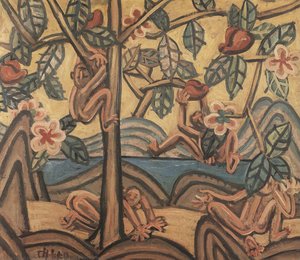
StatsBoys, Fish, and Crab
 Acrylic On Canvas
- WallArt
- Modern Korean Art
 19.0 x 26.0 cm
 National Museum of Korea
 Read More
Hand Made Oil Reproduction
Hand-painted oil on canvas in your size and frame, made to order by our artists. ( Switch to Print Switch to Digital Image)




P118B $10

P118H $10

P118W $10

P438Z $10

P508JH $12

P508YH $12

P805H $10

P805Z $10

P919BZ $10

P919G $10

P919XJ $10

P959ZH $10

P968JZ $12

W106C $8

W218G $10

W218JH $8

W218Y $10

W307PJ $10

W316G $10

W316PJ $8

W316Y $10

W398PJ $8

W4111J $10

W500HY $15

W500JH $15

W692G $12

W849H $8

W940BG $15

W953PJ $8




Pick from our preset sizes that match the artwork's original proportions.

You may enter your own dimensions to fit a specific frame or space. If your selected size does not match the original image's proportions, we will either crop the artwork or extend the painting with additional hand-painted elements. A digital mockup will be sent for your approval before production begins.
Please note that the on-screen preview does not reflect the actual cropping or extension. Only the mockup will accurately show the final composition.
While custom sizes are available, we recommend selecting a dimension from the predefined list to preserve the original proportions.
After order, AllPaintingsStore.com team will email client for instructions and provide a mockup preview
Worldwide Delivery () in 3/4 weeks instead of standard 5 weeks. (22 September). No compromise on quality.

Free Worldwide Express Shipping

High-Quality Linen Canvas

Full Shipping Insurance

Customs Tax Refund Guarantee

True Color Matching Guarantee

100-Day Return Policy (Defects Only)

100% Money-Back Guarantee

Bulk Discount Offer
 Glass option is only available in size under 110 CM

Boys, Fish, and Crab
Reproduction Medium
Reproduction Size
-


Total Price
$ 258
A Moment of Childhood Joy: Lee Jung-seob’s “Boys, Fish, and Crab”
Lee Jung-seob's "Boys, Fish, and Crab" isn’t merely a painting; it’s a portal into a fleeting moment of pure, unadulterated joy. Completed in 1950 during the tumultuous years following the Korean War, this watercolor captures a scene of innocent play – three children immersed in a world of fish and crabs on a sun-drenched shore. The work immediately resonates with a profound sense of nostalgia, evoking memories of carefree summers and the simple pleasures of childhood. It’s a testament to Lee's remarkable ability to distill complex emotions into deceptively simple forms, creating an image that is both deeply personal and universally relatable.

A Window into Korean Modernism
Lee Jung-seob stands as a pivotal figure in the development of Korean modern art. Born in 1916 in Pyeongannamdo, South Korea, his artistic journey was shaped by both traditional Korean aesthetics and the burgeoning influences of Western art movements. He initially studied at Teikoku Art School for Occidental Painting in Japan, absorbing elements of Fauvism – a bold departure from naturalistic representation with its emphasis on vibrant color and expressive brushstrokes. This early exposure to avant-garde techniques profoundly impacted his later work, informing his distinctive style characterized by loose, gestural lines and an intuitive approach to color.
Following the war, Lee’s artistic focus shifted towards depicting scenes of everyday Korean life, often centered around family and rural landscapes. “Boys, Fish, and Crab” exemplifies this commitment, offering a poignant glimpse into a world grappling with recovery while simultaneously celebrating the enduring spirit of childhood. The painting's placement within the National Museum of Korea underscores its significance as a cornerstone of Korean art history.
The Language of Watercolor: Technique and Emotion
Lee Jung-seob’s masterful use of watercolor is central to the work’s evocative power. He employs loose, fluid brushstrokes that capture the dappled sunlight filtering through the trees and the shimmering reflections on the water's surface. The colors are remarkably vibrant – a joyful palette of blues, greens, yellows, and reds—that contribute to the painting’s overall sense of warmth and optimism. Notice how he uses washes of color to create an atmospheric depth, suggesting movement and spontaneity. The children themselves are rendered with simple, almost childlike lines, further emphasizing their innocence and vulnerability.
Furthermore, the artist's decision to depict the scene in watercolor—a medium known for its delicate transparency and ability to capture fleeting moments—perfectly aligns with the painting’s theme of ephemeral beauty. The colors seem to bleed into one another, mirroring the fluidity of childhood memories and the transient nature of time.
Symbolism and a Legacy of Korean Identity
Beyond its immediate depiction of children playing, “Boys, Fish, and Crab” carries deeper symbolic weight. The presence of fish and crabs—common elements of the Korean coastline—connects the scene to the nation’s rich maritime heritage. The act of fishing itself represents a connection to nature and a celebration of rural life, values that were increasingly valued in post-war Korea. Lee Jung-seob's work, particularly this piece, is deeply rooted in his Korean identity, reflecting both the hardships endured during the war and the enduring hope for a brighter future.
His legacy continues to inspire artists today, solidifying his place as one of South Korea’s most important modern painters. Reproductions of “Boys, Fish, and Crab” offer a beautiful way to bring this evocative artwork into your home or office, serving as a reminder of the simple joys of life and the enduring spirit of Korean culture.
Related Artworks




Artist Biography
a korean master of oil paintings
lee, jung-seob, a prominent south korean artist, left an indelible mark on the art world with his captivating oil paintings. born in pyeongannamdo, south korea in 1916, lee's artistic journey was marked by innovation and a deep connection with his heritage.artistic contributions
lee jung-seob is best known for his iconic piece 'white ox', a testament to his skillful use of oil paints. this masterpiece, among others, showcases his unique style that blends traditional korean elements with modern techniques.- key works:
- family and pigeon (national museum of korea, seoul, south korea) - a poignant oil on paper piece.
- boys, fish, and crab (national museum of korea, seoul, south korea) - a watercolor showcasing lee's versatility.
- two boys and deer (national museum of korea, seoul, south korea) - another example of his watercolor prowess.
- museums featuring his work:
- national museum of korea (seoul, south korea)
legacy and influence
lee jung-seob's passing in seoul in 1956 marked the end of an era but also paved the way for future generations of korean artists. his influence can be seen in the works of many contemporary korean painters. explore more of lee jung-seob's art: [https://AllPaintingsStore.com/@/lee-jung-seob](https://AllPaintingsStore.com/@/lee-jung-seob) | discover an extensive collection of his paintings on AllPaintingsStore. learn about other renowned artists: /en/art/list/ | browse through the list of greatest artists at AllPaintingsStore.
lee, jung-seob
1916 - 1956 , South Korea
Quick Facts
- Artistic Movement Or Style: Modern Korean Art
- Artists Or Movements Influenced By This Artist: ['Fauvism']
- Artists Who Influenced This Artist: ['Goguryeo tomb murals']
- Date Of Birth: April 10, 1916
- Date Of Death: September 6, 1956
- Full Name: Lee Jung-seob
- Nationality: Korean
- Notable Artworks:
- White Ox
- Family & Pigeon
- Boys, fish, crab
- Place Of Birth: Pyeongannamdo, Korea
Related Articles

Watercolor Art Guide: Mastering Transparency and Light for Professional Hospitality Decor
Elevate hospitality interiors with our professional guide to watercolor art. Discover how transparency and light enhance hotel decor through expert selection of high-quality, custom reproductions and large-scale murals tailored for designers and procurement managers.


