- Home

- Oil Painting Reproduction
- Suzuki Harunobu
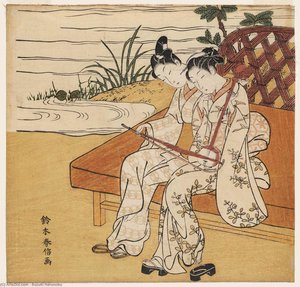
- Couple Playing A Kokyû Together

 Buy print
 Send
Send Share
Share
 Details

 Download
 Similars
 X-Ray
X-Ray Diaporama
Couple Playing A Kokyû Together

 Read More
Hand Made Oil Reproduction
Hand-painted oil on canvas in your size and frame, made to order by our artists.




P118B $10

P118H $10

P118W $10

P438Z $10

P508JH $12

P508YH $12

P805H $10

P805Z $10

P919BZ $10

P919G $10

P919XJ $10

P959ZH $10

P968JZ $12

W106C $8

W218G $10

W218JH $8

W218Y $10

W307PJ $10

W316G $10

W316PJ $8

W316Y $10

W398PJ $8

W4111J $10

W500HY $15

W500JH $15

W692G $12

W849H $8

W940BG $15

W953PJ $8




Pick from our preset sizes that match the artwork's original proportions.

You may enter your own dimensions to fit a specific frame or space. If your selected size does not match the original image's proportions, we will either crop the artwork or extend the painting with additional hand-painted elements. A digital mockup will be sent for your approval before production begins.
Please note that the on-screen preview does not reflect the actual cropping or extension. Only the mockup will accurately show the final composition.
While custom sizes are available, we recommend selecting a dimension from the predefined list to preserve the original proportions.
After order, AllPaintingsStore.com team will email client for instructions and provide a mockup preview
Worldwide Delivery () in 3/4 weeks instead of standard 5 weeks. (16 July). No compromise on quality.

Free Worldwide Express Shipping

High-Quality Linen Canvas

Full Shipping Insurance

Customs Tax Refund Guarantee

True Color Matching Guarantee

60-Day Return Policy (Defects Only)

100% Money-Back Guarantee

Bulk Discount Offer
 Glass option is only available in size under 110 CM

Couple Playing A Kokyû Together
Reproduction Medium
Reproduction Size
-


Total Price
-
Artwork Description
Suzuki Harunobu’s “Couple Playing A Kokyû Together” – A Symphony of Tranquility and Artistic Innovation
The artwork "Couple Playing A Kokyû Together," attributed to Suzuki Harunobu (1725–1770), stands as a testament to the zenith of Edo-period Japanese woodblock printing, specifically the Nishiki-e style. More than just a depiction of two women enjoying an instrument – likely a shamisen – it embodies a profound exploration of human connection and subtle artistic refinements that cemented Harunobu’s legacy as one of Japan's most influential artists. This piece transcends mere representation; it whispers tales of refined leisure and captures the delicate beauty inherent in everyday life, resonating powerfully with viewers even today.
A Masterclass in Nishiki-e Technique
Harunobu revolutionized woodblock printing by pioneering the use of Prussian blue pigment – a groundbreaking innovation at the time – dramatically expanding the palette available to artists. This bold choice wasn’t merely stylistic; it reflected a broader shift towards embracing European pigments and techniques, marking Japan's initial engagement with Western artistic influences. The meticulous carving process itself involved multiple blocks meticulously crafted by skilled artisans, each contributing to the final image’s tonal richness and luminosity. Furthermore, Harunobu skillfully employed layering techniques – known as *yakiba* – allowing for nuanced shading and creating a captivating illusion of depth that distinguishes his prints from earlier styles.
Historical Context: Leisurely Pursuits in Edo Society
“Couple Playing A Kokyû Together” emerged during the Edo period (1689–1868), a time characterized by relative peace and prosperity under Tokugawa rule, fostering an environment conducive to artistic experimentation and intellectual discourse. The kokyū – or lute – held considerable symbolic significance within Japanese culture representing harmony, contemplation, and refined taste. Depicting two women engaged in this activity speaks volumes about the social values of the era—a celebration of feminine companionship and a quiet appreciation for aesthetic pleasures. It’s a scene carefully positioned to convey an idealized vision of domestic tranquility, reflecting the aspirations of the samurai class and upper strata of society.
Symbolism: Harmony and Delicate Beauty
Beyond its technical prowess and historical context, “Couple Playing A Kokyû Together” is laden with symbolic meaning. The serene posture of the women embodies stillness and grace—a deliberate contrast to the turbulent political landscape of the time. The inclusion of three birds – positioned strategically within the composition – adds another layer of interpretation. Birds are frequently associated with longevity, happiness, and auspiciousness in Japanese iconography, symbolizing wishes for prosperity and well-being. Their placement contributes to the overall sense of harmony and balance that permeates the artwork.
Emotional Impact: Capturing a Moment of Quiet Reflection
Ultimately, Harunobu’s masterpiece succeeds in evoking a powerful emotional response. The soft lighting and muted colors create an atmosphere of intimacy and tranquility—drawing viewers into a contemplative space. It's not a grand spectacle or dramatic narrative; rather, it invites us to savor the simple joys of companionship and appreciate the beauty found in everyday moments. “Couple Playing A Kokyû Together” remains a poignant reminder that art can transcend time, capturing enduring human emotions and offering glimpses into the cultural values of a bygone era—a timeless testament to Harunobu’s artistic genius.
Related Artworks




Artist Biography
early life and influences
suzuki harunobu, a japanese designer of woodblock print art in the ukiyo-e style, was born in 1725. little is known about his early life, but it is believed he grew up in kyoto. his work shows evidence of influences from many artists, including torii kiyomitsu, ishikawa toyonobu, the kawamata school, and the kanō school. however, the strongest influence upon harunobu was the painter and printmaker nishikawa sukenobu, who may have been harunobu's direct teacher.artistic career
harunobu began his career in the style of the torii school, creating many works that were skillful but not innovative. however, with his involvement with a group of literati samurai, he tackled new formats and styles. in 1764, harunobu was chosen to aid these samurai in their amateur efforts to create e-goyomi (calendars). these calendar prints would be the first nishiki-e (brocade prints), with harunobu experimenting with better woods for the woodblocks and using more expensive colors.notable works and innovations
- suzuki harunobu's "brocade prints" led to full-color production becoming standard, with ten or more blocks used to create each print.
- his use of multiple separate woodblocks in the creation of a single image was an innovation that depended on using notches and wedges to hold the paper in place.
- harunobu's prints were popular with the chōnin class, who had become wealthy enough to afford to decorate their homes with them.
legacy
suzuki harunobu's work was central to forming the west's perception of japanese art in the late 19th century. his influence can be seen in the landscapes of hokusai and hiroshige, which were popularized during the japonisme trend.- view suzuki harunobu's artworks on AllPaintingsStore
- read more about suzuki harunobu on wikipedia
- explore ukiyo-e art on AllPaintingsStore
notable paintings and artists
- utagawa hiroshige's kyoka tokaido series, seki (view on AllPaintingsStore)
- miyagawa isshō's shimabara courtesans exorcizing demons (view on AllPaintingsStore)
- utagawa kuniyoshi's a votive tablet with masks of kabuki actors at face value (view on AllPaintingsStore)
museums and collections
- indianapolis museum of art (indianapolis, united states)
- fukuoka city museum (fukuoka, japan)

Suzuki Harunobu
1725 - 1770 , Japan
Quick Facts
- Artistic Movement Or Style: Ukiyo-e, Nishiki-e
- Artists Or Movements Influenced By This Artist:
- Hokusai
- Hiroshige
- Artists Who Influenced This Artist: ['Nishikawa Sukenobu']
- Date Of Birth: 1725?
- Date Of Death: 1770
- Full Name: Suzuki Harunobu
- Nationality: Japanese
- Notable Artworks:
- Herons Et Roseaux
- Young Woman Jumping...
- Place Of Birth: Edo (Tokyo), Japan