


Introduction
To embark on a journey through the top 25 artworks of John Constable is to step into a world where the very air seems to shimmer with light and the scent of hay. These paintings are not merely depictions of the English countryside; they are profound meditations on nature, memory, and the enduring power of place.
Constable emerged during a period of significant social and artistic change in Britain. The Industrial Revolution was reshaping the landscape – both physically and culturally – yet Constable resolutely turned his gaze towards the rural world he knew so intimately. Born in 1776, he witnessed firsthand the slow rhythms of agricultural life in Suffolk, a world steeped in tradition and deeply connected to the land. This upbringing instilled in him a reverence for nature that would become the defining characteristic of his art.
Unlike many of his contemporaries who favored dramatic historical scenes or idealized landscapes, Constable sought to capture the *truth* of the English countryside – its subtle moods, fleeting light, and everyday beauty. He broke with academic convention, pioneering a technique of plein air painting that allowed him to directly observe and translate his emotional response to nature onto canvas. His brushwork became increasingly loose and expressive, employing impasto to create texture and convey a sense of movement and atmosphere.
Initially met with resistance from critics who deemed his work too commonplace, Constable’s paintings gradually gained recognition for their originality and emotional depth. Today, these artworks resonate deeply with viewers because they offer more than just picturesque scenes; they evoke a powerful sense of nostalgia, tranquility, and connection to the natural world. They remind us of a time when life was simpler, slower, and more intimately connected to the land.
Prepare to be transported. Over the following pages, we will explore 25 masterpieces that showcase Constable’s extraordinary talent and enduring legacy – paintings that continue to captivate and inspire generations with their beauty, honesty, and profound emotional resonance.
The Hay Wain - John Constable
 The Hay Wain - John Constable
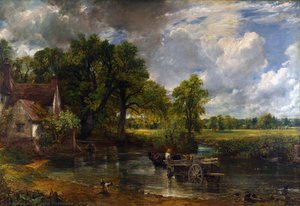
Close your eyes for a moment. Imagine the scent of damp earth rising from fields after a summer rain, the distant lowing of cattle, and the weight of gathering clouds promising a storm. This is the world John Constable invites us into with The Hay Wain (1821), perhaps his most iconic masterpiece.
More than just a picturesque scene of rural Suffolk, this painting is an elegy to a vanishing way of life – a harmonious relationship between humanity and nature. The simple act of transporting hay becomes imbued with profound meaning, representing the cycle of seasons, the dignity of labor, and the enduring beauty of the English countryside.
Constable’s masterful technique—loose brushwork, layered impasto, and an extraordinary sensitivity to light—brings this scene vividly to life. The dramatic sky, a swirling vortex of clouds, is not merely atmospheric; it's emotionally charged, hinting at both the power and unpredictability of nature. The Hay Wain stands as a pivotal work in the Romantic tradition, rejecting idealized landscapes for an authentic portrayal of his native land.
Its inclusion among the top 25 artworks by Constable is testament to its enduring appeal. It’s a painting that speaks to our deepest longing for tranquility, connection, and a simpler existence. In today's fast-paced world, The Hay Wain offers a powerful reminder of the beauty that can be found in the everyday—a serene escape within the walls of your home or office, inviting contemplation and a renewed appreciation for the natural world.
Salisbury cathedral - John Constable
 Salisbury cathedral - John Constable
A hush descends as you gaze upon Salisbury Cathedral by John Constable – a study not merely *of* stone and spire, but of faith, time, and the enduring power of place. This monochromatic sketch, far from being a preparatory work, stands as a masterpiece in its own right, capturing the cathedral’s majestic presence with an intimacy rarely seen.
What elevates this artwork to the ranks of Constable’s top 25 is his innovative use of light and shadow, achieved through exquisitely varied line work. The delicate rendering evokes not just the architectural details but also a profound sense of atmosphere – the stillness of the surrounding landscape, the weight of history, and the spiritual resonance of the cathedral itself.
Constable’s choice of monochrome isn't a limitation; it’s a deliberate act of focusing on essential form and emotional impact. The stark contrasts heighten our awareness of texture and depth, inviting contemplation and a deeper connection to the subject matter. This dedication to capturing authentic feeling—rather than idealized representation—established him as a pivotal figure in English landscape painting.
Today, Salisbury Cathedral offers more than just aesthetic beauty; it provides a sanctuary within our own spaces. Its serene palette and timeless composition lend themselves beautifully to modern interiors, fostering a sense of calm and reflection – a reminder that even amidst the chaos of daily life, moments of quiet contemplation are always possible.
The Cornfield - John Constable
 The Cornfield - John Constable
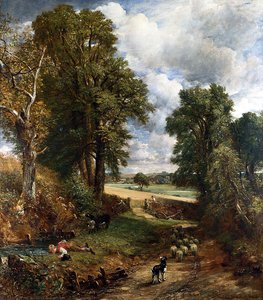
Bathed in the golden warmth of a summer afternoon, The Cornfield by John Constable is an ode to the simple beauty of rural England – a fleeting moment captured with enduring grace. Painted in 1826, this masterpiece isn’t simply a depiction of a landscape; it's a celebration of life itself.
Its inclusion among the top 25 artworks by Constable is a testament to his revolutionary approach to landscape painting. He rejected grand historical narratives for an intimate portrayal of his native Suffolk, imbuing the scene with personal feeling and meticulous detail. The vibrant cornfield, bathed in light, becomes a symbol of abundance and prosperity, while the tranquil presence of sheep and a shepherd boy evokes a sense of pastoral harmony.
Constable’s masterful technique—loose brushwork, layered impasto, and an exceptional understanding of natural light—brings this scene vividly to life. He wasn't merely recording what he saw; he was translating his emotional response to the land into visual form. This dedication to capturing authentic feeling established him as a pivotal figure in English landscape art.
Today, The Cornfield offers more than just aesthetic beauty; it provides a sanctuary within our own spaces. Its warm palette and serene composition lend themselves beautifully to modern interiors, fostering a sense of calm and connection—a reminder that even amidst the complexities of life, moments of quiet contemplation are always possible.
Study of Hollyhocks - John Constable
 Study of Hollyhocks - John Constable
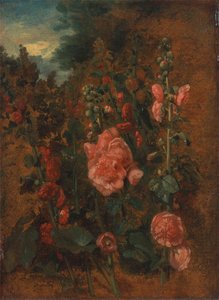
A whisper of sunlight on velvety petals – Study of Hollyhocks by John Constable is a quiet revelation, a testament to the beauty found in the most unassuming corners of nature. Painted in 1826, this intimate work transcends mere botanical illustration; it’s a profound meditation on transience and the fleeting moments that define our connection to the natural world.
Its inclusion among Constable’s top 25 artworks speaks to his revolutionary approach – a rejection of grand historical narratives in favor of intensely personal observation. He wasn't interested in idealized representations, but rather in capturing the essence of the English countryside as he truly *saw* it, imbuing even humble flowers with extraordinary emotional resonance.
Constable’s masterful technique—loose brushwork, layered impasto, and a restrained palette of soft greens, pinks, and blues—creates a harmonious blend that feels both naturalistic and deeply evocative. The painting invites us to slow down, to appreciate the delicate blush of each petal, the hazy light filtering through the branches.
Today, Study of Hollyhocks offers more than just aesthetic beauty; it provides a sanctuary within our own spaces. Its serene composition and gentle palette lend themselves beautifully to modern interiors, fostering a sense of calm and connection—a reminder that even amidst the complexities of life, moments of quiet contemplation are always possible.
A View from Hampstead Heath ( ) - John Constable
 A View from Hampstead Heath ( ) - John Constable
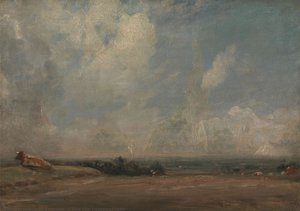
Stand before A View from Hampstead Heath by John Constable and feel a sense of quietude wash over you – a fleeting moment captured with such tenderness that it feels as though the very air is still. Painted in 1825, this isn’t simply a landscape; it's an intimate conversation between artist and nature, a testament to the beauty found in the everyday.
Its inclusion among Constable’s top 25 artworks reflects his mastery of light and atmosphere – a revolutionary approach that imbued ordinary scenes with extraordinary emotional depth. The rolling hills of Hampstead Heath become a stage for subtle shifts in weather, the distant horizon hinting at both tranquility and an underlying dynamism.
Constable's technique—loose brushwork, layered impasto, and a keen eye for detail—brings this scene vividly to life. He wasn’t merely recording what he saw; he was translating his emotional response to the land into visual form. The presence of cows grazing peacefully adds a touch of humanity, grounding the landscape in a sense of lived experience.
Today, A View from Hampstead Heath offers more than just aesthetic beauty; it provides a sanctuary within our own spaces. At AllPaintingsStore, we’re proud to offer faithful reproductions that preserve the emotion and texture of this masterpiece—allowing you to bring Constable's serene vision into your home and experience the timeless beauty of the English countryside firsthand.
Cloud Study, Hampstead, Tree at Right - John Constable
 Cloud Study, Hampstead, Tree at Right - John Constable
Imagine a moment suspended in time – the air thick with anticipation as storm clouds gather over Hampstead Heath. Cloud Study, Hampstead, Tree at Right by John Constable isn’t simply an observation of nature; it's a profound meditation on its power and beauty.
This captivating study, painted in 1821, stands as a cornerstone of Romantic landscape painting – a testament to Constable’s singular vision and unwavering devotion to capturing the ephemeral qualities of light and atmosphere. He wasn’t merely recording what he saw; he was wrestling with the very essence of weather, imbuing ordinary clouds with extraordinary emotional resonance.
Constable's technique—loose brushwork, layered impasto, and a keen eye for detail—brings this scene vividly to life. The solitary tree serves as an anchor, grounding us amidst the swirling expanse above. This dedication to capturing authentic feeling established him as a pivotal figure in English landscape art.
Today, Cloud Study, Hampstead, Tree at Right offers more than just aesthetic beauty; it provides a sanctuary within our own spaces. Its serene composition and dynamic energy lend themselves beautifully to modern interiors, fostering a sense of calm and connection—a reminder that even amidst the complexities of life, moments of quiet contemplation are always possible.
Somerset House Terrace and the Thames A View from the North End of Waterloo Bridge with St. Paul's Cathedral in the distance - John Constable
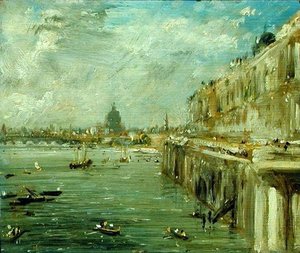 Somerset House Terrace and the Thames A View from the North End of Waterloo Bridge with St. Paul's Cathedral in the distance - John Constable
Gaze upon Somerset House Terrace and the Thames by John Constable and feel yourself transported to a London brimming with energy – a city on the cusp of transformation, yet still anchored by enduring symbols of faith and tradition. Painted in 1816, this isn’t simply a cityscape; it's a carefully constructed meditation on light, space, and the evolving relationship between humanity and its environment.
Its inclusion among Constable’s top 25 artworks reflects his distinctive approach to capturing atmosphere – eschewing precise detail for loose, expressive brushstrokes that convey movement and fleeting effects of light. The vast, luminous sky immediately establishes a sense of openness and tranquility amidst the bustling scene below, while St. Paul's Cathedral stands as a powerful reminder of London’s enduring legacy.
Constable wasn’t merely recording what he saw; he was translating his emotional response to the city into visual form. This dedication to capturing authentic feeling established him as a pivotal figure in English landscape art, bridging the gap between observation and imagination.
Today, Somerset House Terrace offers more than just aesthetic beauty; it provides a sanctuary within our own spaces. Its serene composition and dynamic energy lend themselves beautifully to modern interiors, fostering a sense of calm and connection—a reminder that even amidst the complexities of urban life, moments of quiet contemplation are always possible.
A Boat Passing a Lock - John Constable
 A Boat Passing a Lock - John Constable
There’s a quiet anticipation that hangs in the air of A Boat Passing a Lock by John Constable – a sense of impending change mirrored in the turbulent sky above. Completed in 1826, this isn't simply a depiction of rural life; it's an embodiment of Romanticism—a profound communion with nature imbued with emotion and spiritual contemplation.
Its inclusion among Constable’s top 25 artworks speaks to his mastery of light and atmosphere. He eschews precise detail for loose, expressive brushstrokes that convey movement and fleeting effects of weather, drawing the viewer into a scene brimming with subtle beauty. The low horizon line emphasizes the expansive sky, allowing our gaze to wander into the depths of approaching storm clouds.
Constable wasn’t merely recording what he saw; he was translating his emotional response to the land into visual form. This dedication to capturing authentic feeling established him as a pivotal figure in English landscape art, bridging the gap between observation and imagination.
Today, A Boat Passing a Lock offers more than just aesthetic beauty; it provides a sanctuary within our own spaces. Its serene composition and dynamic energy lend themselves beautifully to modern interiors, fostering a sense of calm and connection—a reminder that even amidst the complexities of life, moments of quiet contemplation are always possible.
Helmingham Dell - John Constable
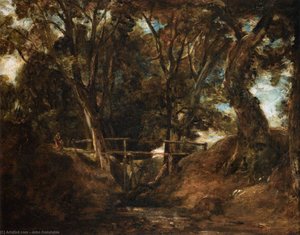 Helmingham Dell - John Constable
Step into the dappled sunlight of Helmingham Dell by John Constable and feel a sense of tranquility wash over you – a testament to his profound connection with the English countryside. Completed in 1830, this isn’t simply a picturesque scene; it's an embodiment of Romanticism—a celebration of nature’s ephemeral beauty.
Its inclusion among Constable’s top 25 artworks reflects his mastery of light and atmosphere. He meticulously documented the specific conditions of Helmingham Park, prioritizing truthful representation over idealized perfection. The loose brushwork and bold color palettes convey movement and emotion, while thick impasto lends a tactile quality to the trees.
Constable wasn’t merely recording what he saw; he was translating his emotional response to the land into visual form. This dedication to capturing authentic feeling established him as a pivotal figure in English landscape art, bridging the gap between observation and imagination.
Today, Helmingham Dell offers more than just aesthetic beauty; it provides a sanctuary within our own spaces. Its serene composition and dynamic energy lend themselves beautifully to modern interiors, fostering a sense of calm and connection—a reminder that even amidst the complexities of life, moments of quiet contemplation are always possible.
View on the River Severn at Worcester - John Constable
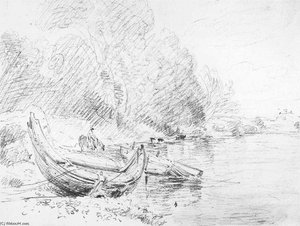 View on the River Severn at Worcester - John Constable
Imagine a fleeting moment on the River Severn at Worcester – a scene captured with such immediacy that you can almost feel the cool spray of water and hear the gentle lapping against the boats. John Constable’s 1835 study isn't merely a depiction of a river; it’s a carefully constructed meditation on light, movement, and the quiet drama of everyday life.
Its inclusion among Constable’s top 25 artworks speaks to his mastery of line and texture. This monochrome work eschews grand vistas for an intimate exploration of rural Worcestershire, inviting us into a transient glimpse of human connection within nature. The dense bank of trees provides a grounding element, framing the scene and hinting at the surrounding countryside.
Constable wasn’t merely recording what he saw; he was translating his emotional response to the land into visual form. This dedication to capturing authentic feeling established him as a pivotal figure in English landscape art, bridging the gap between observation and imagination.
Today, View on the River Severn at Worcester offers more than just aesthetic beauty; it provides a sanctuary within our own spaces. Its serene composition and dynamic energy lend themselves beautifully to modern interiors, fostering a sense of calm and connection—a reminder that even amidst the complexities of life, moments of quiet contemplation are always possible.
Mary Freer - John Constable
 Mary Freer - John Constable
Close your eyes for a moment. Imagine a quiet room, bathed in soft light, where a young girl sits lost in thought—a fleeting expression of vulnerability and introspection playing across her face. This is the essence of Mary Freer by John Constable, completed in 1809.
Its inclusion among Constable’s top 25 artworks speaks to his mastery of capturing emotional depth. More than just a portrait, it's an intimate exploration of youth and innocence, rendered with meticulous detail and subtle realism. The delicate features, expressive eyes, and gentle posture evoke a sense of timeless connection.
Constable wasn’t merely recording what he saw; he was translating his emotional response to the land into visual form. This dedication to capturing authentic feeling established him as a pivotal figure in English landscape art, bridging the gap between observation and imagination.
Today, Mary Freer offers more than just aesthetic beauty; it provides a sanctuary within our own spaces. Its serene composition and dynamic energy lend themselves beautifully to modern interiors, fostering a sense of calm and connection—a reminder that even amidst the complexities of life, moments of quiet contemplation are always possible.
Lane near Dedham - John Constable
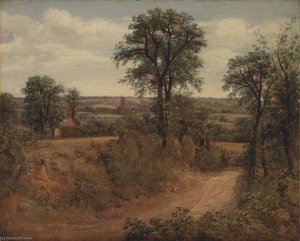 Lane near Dedham - John Constable
Imagine stepping into a world bathed in the golden hues of a setting sun, where the air is still and the scent of wildflowers hangs heavy—this is the invitation extended by Lane near Dedham by John Constable. Completed in 1802, this exquisite painting isn’t merely a depiction of the English countryside; it's an embodiment of rural serenity.
Its inclusion among Constable’s top 25 artworks speaks to his revolutionary commitment to naturalistic detail and emotional depth. The winding lane beckons us into a harmonious world where land, sky, and foliage blend seamlessly, evoking a sense of nostalgia and tranquility that resonates deeply with art lovers.
Constable wasn’t merely recording what he saw; he was translating his emotional response to the land into visual form. This dedication to capturing authentic feeling established him as a pivotal figure in English landscape art, bridging the gap between observation and imagination.
Today, Lane near Dedham offers more than just aesthetic beauty; it provides a sanctuary within our own spaces. Its serene composition and dynamic energy lend themselves beautifully to modern interiors, fostering a sense of calm and connection—a reminder that even amidst the complexities of life, moments of quiet contemplation are always possible.
Willy Lot's House - John Constable
 Willy Lot's House - John Constable
Imagine a quiet afternoon unfolding along the River Stour—a scene imbued with the gentle rhythm of rural life and the warmth of a setting sun. This is the essence of Willy Lot’s House by John Constable, painted in 1810.
Its inclusion among Constable’s top 25 artworks speaks to his pioneering spirit—a decisive break from academic convention and an embrace of observation and feeling. The humble farmhouse nestled amidst rolling hills isn't merely a depiction of Dedham Vale; it's an embodiment of the Romantic ideal, capturing a fleeting moment of pastoral harmony.
Constable wasn’t merely recording what he saw; he was translating his emotional response to the land into visual form. This dedication to capturing authentic feeling established him as a pivotal figure in English landscape art, bridging the gap between observation and imagination.
Today, Willy Lot’s House offers more than just aesthetic beauty; it provides a sanctuary within our own spaces. Its serene composition and dynamic energy lend themselves beautifully to modern interiors, fostering a sense of calm and connection—a reminder that even amidst the complexities of life, moments of quiet contemplation are always possible.
Boat-building near Flatford Mill - John Constable
 Boat-building near Flatford Mill - John Constable
Imagine the gentle lapping of water against wood, the scent of fresh timber mingling with the earthy aroma of the Suffolk countryside—this is the atmosphere that envelops Boat-building near Flatford Mill by John Constable. Painted in 1815, this artwork isn’t merely a depiction of rural life; it's an embodiment of Romantic idealism.
Its inclusion among Constable’s top 25 artworks speaks to his pioneering spirit—a deliberate elevation of everyday labor into an aesthetic ideal. The solitary craftsman diligently constructing his boat isn't simply working; he is harmoniously coexisting with the natural world, a scene brimming with quiet dignity.
Constable wasn’t merely recording what he saw; he was translating his emotional response to the land into visual form. This dedication to capturing authentic feeling established him as a pivotal figure in English landscape art, bridging the gap between observation and imagination.
Today, Boat-building near Flatford Mill offers more than just aesthetic beauty; it provides a sanctuary within our own spaces. Its serene composition and dynamic energy lend themselves beautifully to modern interiors, fostering a sense of calm and connection—a reminder that even amidst the complexities of life, moments of quiet contemplation are always possible.
The Stour-Valley with the Church of Dedham (detail) - John Constable
 The Stour-Valley with the Church of Dedham (detail) - John Constable
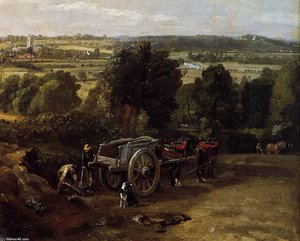
Imagine a world bathed in golden sunlight, where the gentle murmur of the River Stour blends with the distant chime of church bells—this is the atmosphere that envelops The Stour-Valley with the Church of Dedham by John Constable. Painted in 1814, this artwork isn’t merely a depiction of rural England; it's an embodiment of Romantic idealism.
Its inclusion among Constable’s top 25 artworks speaks to his pioneering spirit—a masterful handling of light and atmosphere that elevates a familiar landscape into something extraordinary. The spire of Dedham Church, punctuating the verdant valley, becomes a symbol of enduring faith and harmonious coexistence with nature.
Constable wasn’t merely recording what he saw; he was translating his emotional response to the land into visual form. This dedication to capturing authentic feeling established him as a pivotal figure in English landscape art, bridging the gap between observation and imagination.
Today, The Stour-Valley with the Church of Dedham offers more than just aesthetic beauty; it provides a sanctuary within our own spaces. Its serene composition and dynamic energy lend themselves beautifully to modern interiors, fostering a sense of calm and connection—a reminder that even amidst the complexities of life, moments of quiet contemplation are always possible.
Flatford Lock - John Constable
 Flatford Lock - John Constable
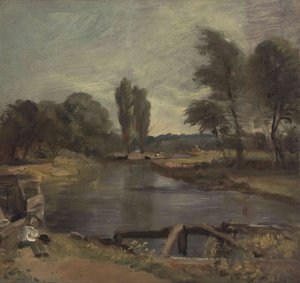
Imagine a world bathed in golden sunlight, where the gentle murmur of the River Stour blends with the distant sounds of rural life—this is the atmosphere that envelops Flatford Lock by John Constable. Painted in 1811, this artwork isn’t simply a depiction of a riverside scene; it's a profound meditation on light, time, and the enduring beauty of the English countryside.
Its inclusion among Constable’s top 25 artworks speaks to his revolutionary approach to painting—a masterful handling of light and atmosphere that elevates a familiar landscape into something extraordinary. The figure standing on the bank, often interpreted as Constable himself, isn't merely observing; he is lost in contemplation, mirroring our own sense of peaceful immersion.
Constable wasn’t merely recording what he saw; he was translating his emotional response to the land into visual form. This dedication to capturing authentic feeling established him as a pivotal figure in English landscape art, bridging the gap between observation and imagination.
Today, Flatford Lock offers more than just aesthetic beauty; it provides a sanctuary within our own spaces. Its serene composition and dynamic energy lend themselves beautifully to modern interiors, fostering a sense of calm and connection—a reminder that even amidst the complexities of life, moments of quiet contemplation are always possible.
Sketch for The Leaping Horse - John Constable
 Sketch for The Leaping Horse - John Constable
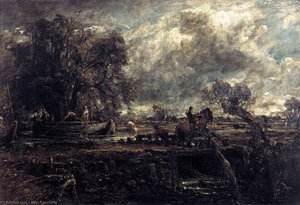
This evocative sketch offers a rare glimpse into the creative process of John Constable, revealing not just *how* he painted but *why*. Dating back to 1824, ‘Sketch for The Leaping Horse’ transcends a simple preparatory study; it embodies the very essence of his profound connection with the Suffolk countryside.
Its inclusion among Constable’s top 25 artworks speaks to its unique power—a distillation of his artistic vision. The loose, expressive charcoal technique prioritizes tonal variation and movement, capturing a fleeting moment in rural life with remarkable immediacy. This isn't merely observation; it’s an attempt to capture the *feeling* of a place.
Constable wasn’t simply recording what he saw; he was translating his emotional response to the land into visual form. The absence of color forces us to focus on these nuances of line and value, highlighting his keen eye for capturing light and shadow—a technique that anticipates later Impressionist explorations.
Today, ‘Sketch for The Leaping Horse’ offers more than just aesthetic beauty; it provides a sanctuary within our own spaces. Its serene composition and dynamic energy lend themselves beautifully to modern interiors, fostering a sense of calm and connection—a reminder that even amidst the complexities of life, moments of quiet contemplation are always possible.
Evening Landscape after Rain - John Constable
 Evening Landscape after Rain - John Constable
Imagine a world hushed by recent rain, where the air hangs heavy with the scent of damp earth and the sky is painted in shades of twilight—this is the atmosphere that envelops Evening Landscape After Rain by John Constable. Painted in 1821, this artwork isn’t merely a depiction of rural England; it's a profound meditation on light, time, and the enduring beauty of nature.
Its inclusion among Constable’s top 25 artworks speaks to his revolutionary approach—a masterful handling of atmosphere that elevates a familiar landscape into something extraordinary. The painting captures a fleeting moment in rural life with remarkable immediacy, inviting us to share in his deep connection with the land.
Constable wasn’t simply recording what he saw; he was translating his emotional response to the countryside into visual form. This dedication to capturing authentic feeling established him as a pivotal figure in English landscape art, bridging the gap between observation and imagination.
Today, Evening Landscape After Rain offers more than just aesthetic beauty; it provides a sanctuary within our own spaces. Its serene composition and dynamic energy lend themselves beautifully to modern interiors, fostering a sense of calm and connection—a reminder that even amidst the complexities of life, moments of quiet contemplation are always possible.
The Admiral's House (The Grove) - John Constable
 The Admiral's House (The Grove) - John Constable
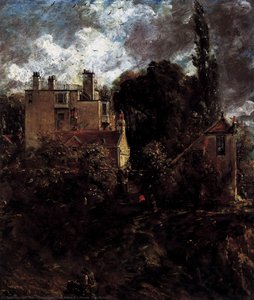
Bathed in the soft glow of Suffolk’s light, The Admiral’s House (The Grove) by John Constable isn't merely a depiction of a building; it’s a carefully constructed distillation of the English countryside and a profound meditation on memory.
Its inclusion among Constable’s top 25 artworks speaks to his innovative approach—a masterful handling of atmosphere that elevates a familiar landscape into something extraordinary. The painting captures a fleeting moment in rural life with remarkable immediacy, inviting us to share in his deep connection with the land.
Constable wasn’t simply recording what he saw; he was translating his emotional response to the countryside into visual form. This dedication to capturing authentic feeling established him as a pivotal figure in English landscape art, bridging the gap between observation and imagination.
Today, The Admiral’s House (The Grove) offers more than just aesthetic beauty; it provides a sanctuary within our own spaces. Its serene composition and dynamic energy lend themselves beautifully to modern interiors, fostering a sense of calm and connection—a reminder that even amidst the complexities of life, moments of quiet contemplation are always possible.
Golding Constable's Black Riding Horse - John Constable
 Golding Constable's Black Riding Horse - John Constable
A solitary presence against a muted sky, Golding Constable’s Black Riding Horse by John Constable isn't merely a portrait of an animal; it’s a distillation of the Romantic spirit itself.
Its inclusion among Constable’s top 25 artworks speaks to his innovative approach—a masterful handling of atmosphere that elevates a familiar subject into something extraordinary. The painting captures a fleeting moment in rural life with remarkable immediacy, inviting us to share in his deep connection with the land.
Constable wasn’t simply recording what he saw; he was translating his emotional response to the countryside into visual form. This dedication to capturing authentic feeling established him as a pivotal figure in English landscape art, bridging the gap between observation and imagination.
Today, Golding Constable's Black Riding Horse offers more than just aesthetic beauty; it provides a sanctuary within our own spaces. Its serene composition and dynamic energy lend themselves beautifully to modern interiors, fostering a sense of calm and connection—a reminder that even amidst the complexities of life, moments of quiet contemplation are always possible.
Weymouth Bay, with Jordan Hill - John Constable
 Weymouth Bay, with Jordan Hill - John Constable
Imagine standing on a windswept shore, the air thick with salt spray and the distant cry of gulls—this is the world that envelops Weymouth Bay, with Jordan Hill by John Constable. Painted in 1816, this artwork isn’t merely a depiction of a coastal vista; it’s a testament to the artist's profound connection with the English countryside and his ability to capture its ethereal beauty.
Its inclusion among Constable’s top 25 artworks speaks to his innovative approach—a masterful handling of atmosphere that elevates a familiar landscape into something extraordinary. The painting captures a fleeting moment in rural life with remarkable immediacy, inviting us to share in his deep connection with the land.
Constable wasn’t simply recording what he saw; he was translating his emotional response to the countryside into visual form. This dedication to capturing authentic feeling established him as a pivotal figure in English landscape art, bridging the gap between observation and imagination.
Today, Weymouth Bay, with Jordan Hill offers more than just aesthetic beauty; it provides a sanctuary within our own spaces. Its serene composition and dynamic energy lend themselves beautifully to modern interiors, fostering a sense of calm and connection—a reminder that even amidst the complexities of life, moments of quiet contemplation are always possible.
Old Sarum - John Constable
 Old Sarum - John Constable
A vision of tranquility unfolds in Old Sarum by John Constable—a testament to the very spirit of Romanticism and a profound communion between humanity and the sublime beauty of nature.
Its inclusion among Constable’s top 25 artworks speaks to his innovative approach—a masterful handling of atmosphere that elevates a familiar landscape into something extraordinary. The painting captures a fleeting moment in rural life with remarkable immediacy, inviting us to share in his deep connection with the land.
Constable wasn’t simply recording what he saw; he was translating his emotional response to the countryside into visual form. This dedication to capturing authentic feeling established him as a pivotal figure in English landscape art, bridging the gap between observation and imagination.
Today, Old Sarum offers more than just aesthetic beauty; it provides a sanctuary within our own spaces. Its serene composition and dynamic energy lend themselves beautifully to modern interiors, fostering a sense of calm and connection—a reminder that even amidst the complexities of life, moments of quiet contemplation are always possible.
Stonehenge - John Constable
 Stonehenge - John Constable
A vision of ancient majesty unfolds in Stonehenge by John Constable—a testament to a profound connection with the English landscape and a masterful exploration of Romantic artistic principles.
Its inclusion among Constable’s top 25 artworks speaks to his innovative approach—a masterful handling of atmosphere that elevates a familiar landmark into something extraordinary. The painting captures not just the physical grandeur of the stone circle but also its atmospheric presence, a testament to Constable’s ability to convey emotion through observation and meticulous detail.
Constable wasn’t simply recording what he saw; he was translating his emotional response to the countryside into visual form. This dedication to capturing authentic feeling established him as a pivotal figure in English landscape art, bridging the gap between observation and imagination.
Today, Stonehenge offers more than just aesthetic beauty; it provides a sanctuary within our own spaces. Its serene composition and dynamic energy lend themselves beautifully to modern interiors, fostering a sense of calm and connection—a reminder that even amidst the complexities of life, moments of quiet contemplation are always possible.
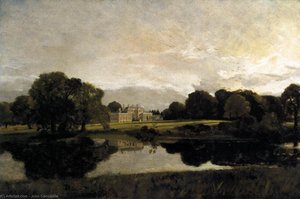
Malvern Hall in Warwickshire - John Constable
 Malvern Hall in Warwickshire - John Constable
Imagine a moment suspended in time—the gentle lapping of water against the shore, the distant call of birdsong, and the soft glow of sunlight filtering through ancient trees. This is the world that unfolds in Malvern Hall in Warwickshire by John Constable—an exquisite distillation of light, atmosphere, and the profound connection between man and nature.
Its inclusion among Constable’s top 25 artworks speaks to his innovative approach—a masterful handling of atmosphere that elevates a familiar landscape into something extraordinary. The painting captures not just the physical beauty of Malvern Hall but also its very essence, inviting us into a world where time seems to slow and the rural heartland is rendered with breathtaking immediacy.
Constable wasn’t simply recording what he saw; he was translating his emotional response to the countryside into visual form. This dedication to capturing authentic feeling established him as a pivotal figure in English landscape art, bridging the gap between observation and imagination.
Today, Malvern Hall in Warwickshire offers more than just aesthetic beauty; it provides a sanctuary within our own spaces. Its serene composition and dynamic energy lend themselves beautifully to modern interiors, fostering a sense of calm and connection—a reminder that even amidst the complexities of life, moments of quiet contemplation are always possible.
Horse and Cart (study for the Cart in 'Stour Valley and Dedham Village, 1814') - John Constable
 Horse and Cart (study for the Cart in 'Stour Valley and Dedham Village, 1814') - John Constable
A moment of rural life captured with poignant tranquility— Horse and Cart (study for the Cart in 'Stour Valley and Dedham Village, 1814') by John Constable is a distilled essence of the Suffolk countryside, imbued with an almost palpable sense of observation.
Its inclusion among Constable’s top 25 artworks speaks to his innovative approach—a masterful handling of atmosphere that elevates a working scene into something extraordinary. The painting offers a glimpse into Constable’s meticulous process and profound connection to his subject matter, revealing the roots of his artistic vision in the rhythms of agricultural existence.
Constable wasn’t simply recording what he saw; he was translating his emotional response to the countryside into visual form. This dedication to capturing authentic feeling established him as a pivotal figure in English landscape art, bridging the gap between observation and imagination.
Today, Horse and Cart offers more than just aesthetic beauty; it provides a sanctuary within our own spaces. Its serene composition and dynamic energy lend themselves beautifully to modern interiors, fostering a sense of calm and connection—a reminder that even amidst the complexities of life, moments of quiet contemplation are always possible.
Conclusion
As we draw to a close on our journey through the world of John Constable, it’s worth remembering that these canvases are more than just historic treasures—they are living presences. Each brushstroke carries within it not only the artist's skill and vision but also a timeless conversation between creator and admirer, spanning centuries.
Constable sought to capture not merely *what* he saw in the English countryside, but *how* it felt to be present within its beauty—the subtle shifts of light on water, the quiet dignity of rural life, the enduring power of nature. And remarkably, that feeling transcends time.
These paintings continue to move us not because they depict a specific place or era, but because they speak to something universal within the human spirit—a longing for connection with the natural world, an appreciation for simple beauty, and a recognition of the profound emotional resonance found in everyday moments. They invite us to pause, reflect, and find solace in the enduring rhythms of life.
Whether adorning the walls of grand estates or finding a cherished place within our own homes, Constable’s masterpieces have the power to transform spaces and inspire creativity. To explore the full breadth of his remarkable oeuvre, we invite you to discover more at full collection .





