- Home

- Oil Painting Reproduction
- John Constable
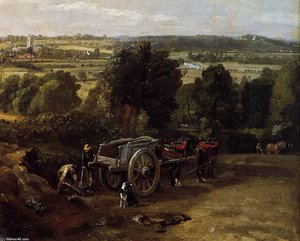
- The Stour-Valley with the Church of Dedham (detail)

 Buy print
 Send
Send Share
Share
 Details

 Download
 Similars
 X-Ray
X-Ray Diaporama
The Stour-Valley with the Church of Dedham (detail)


 Read More
Hand Made Oil Reproduction
Hand-painted oil on canvas in your size and frame, made to order by our artists.




P118B $10

P118H $10

P118W $10

P438Z $10

P508JH $12

P508YH $12

P805H $10

P805Z $10

P919BZ $10

P919G $10

P919XJ $10

P959ZH $10

P968JZ $12

W106C $8

W218G $10

W218JH $8

W218Y $10

W307PJ $10

W316G $10

W316PJ $8

W316Y $10

W398PJ $8

W4111J $10

W500HY $15

W500JH $15

W692G $12

W849H $8

W940BG $15

W953PJ $8




Pick from our preset sizes that match the artwork's original proportions.

You may enter your own dimensions to fit a specific frame or space. If your selected size does not match the original image's proportions, we will either crop the artwork or extend the painting with additional hand-painted elements. A digital mockup will be sent for your approval before production begins.
Please note that the on-screen preview does not reflect the actual cropping or extension. Only the mockup will accurately show the final composition.
While custom sizes are available, we recommend selecting a dimension from the predefined list to preserve the original proportions.
After order, AllPaintingsStore.com team will email client for instructions and provide a mockup preview
Worldwide Delivery () in 3/4 weeks instead of standard 5 weeks. (16 July). No compromise on quality.

Free Worldwide Express Shipping

High-Quality Linen Canvas

Full Shipping Insurance

Customs Tax Refund Guarantee

True Color Matching Guarantee

60-Day Return Policy (Defects Only)

100% Money-Back Guarantee

Bulk Discount Offer
 Glass option is only available in size under 110 CM

The Stour-Valley with the Church of Dedham (detail)
Reproduction Medium
Reproduction Size
-


Total Price
-
Artwork Description
A Symphony of Light and Landscape: Exploring Constable’s ‘The Stour-Valley with the Church of Dedham’
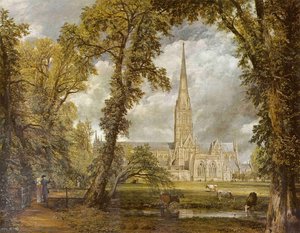
John Constable's “The Stour-Valley with the Church of Dedham” isn’t merely a depiction of a rural scene; it’s an embodiment of Romantic idealism, capturing the very essence of England’s pastoral beauty in 1814. Painted during his formative years as an artist – influenced profoundly by the patronage of George Beaumont and captivated by the grandeur of Claude Lorrain – this monumental canvas transcends mere observation, striving instead to convey a feeling, a spirit that speaks directly to the viewer's soul.The Subject Matter: A Familiar Landscape Elevated
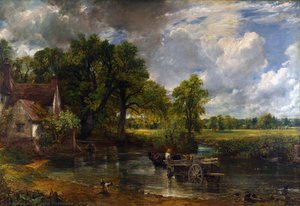
Constable’s subject is deceptively simple: a valley dominated by the River Stour and punctuated by the spire of Dedham Church. However, this commonplace vista becomes extraordinary through Constable’s masterful handling of light and atmosphere. He meticulously observed the subtle shifts in illumination throughout the day, painstakingly recreating the dappled sunlight filtering through the trees – a technique that would solidify his reputation as the foremost landscape painter of his time. The inclusion of horses hauling a cart adds an element of human activity to the scene, grounding it within the rhythms of rural life and subtly hinting at the industrious spirit of the English countryside.Technique: Atmospheric Perspective and Impasto
Constable’s distinctive style is characterized by ‘atmospheric perspective,’ achieved through layering colors and applying thick impasto – a technique where paint is applied in textured strokes—to create a palpable sense of depth and realism. This deliberate manipulation of texture isn't just aesthetically pleasing; it serves to heighten the emotional impact of the painting. The artist’s painstaking attention to detail, from the individual blades of grass to the reflections shimmering on the river surface, underscores his commitment to capturing not just what he saw but how he *felt* about what he saw. It’s a technique that anticipates later Impressionist explorations of light and color, establishing Constable as a pivotal figure in the evolution of landscape painting.Historical Context: Romanticism's Celebration of Nature
“The Stour-Valley” emerged during the height of Romanticism—a movement that prioritized emotion over reason and championed the sublime beauty of untamed nature. Artists like Lorrain had idealized landscapes, presenting them as expressions of divine grandeur; Constable pushed this ideal further, imbuing his canvases with palpable warmth and sincerity. The painting reflects a broader cultural preoccupation with the moral lessons to be gleaned from observing God’s creation—a belief that resonated deeply within Victorian society.Symbolism: More Than Meets the Eye
Beyond its visual splendor, “The Stour-Valley” carries symbolic weight. The church spire serves as a focal point, representing faith and tradition amidst the vast expanse of the landscape. The horses pulling the cart symbolize labor and perseverance—values central to the Victorian ethos. And crucially, Constable’s depiction of light itself embodies Romantic idealism: it's not merely illumination; it’s divine grace illuminating the earthly realm.Emotional Impact: A Moment Frozen in Time
Ultimately, “The Stour-Valley with the Church of Dedham” succeeds in transporting the viewer to a specific place and time—a tranquil corner of Suffolk bathed in golden afternoon light. The painting evokes feelings of serenity, contemplation, and awe—a testament to Constable’s ability to transform observation into profound artistic expression. It remains an enduring symbol of England's pastoral heritage and continues to inspire admiration for its masterful technique and evocative beauty.Related Artworks


Artist Biography
A Life Rooted in the English Landscape
John Constable, born in 1776 in the idyllic Suffolk village of East Bergholt, wasn’t merely a painter of landscapes; he was a poet of the land, translating its subtle moods and enduring beauty onto canvas with an unprecedented emotional depth. His father, a prosperous corn merchant who owned both Dedham Vale and mills along the River Stour, provided not only financial security but also the very subject matter that would define Constable’s artistic life. This early immersion in the rural world – the slow rhythm of agricultural life, the ever-changing light on fields and water, the intimate details of nature – became indelibly etched into his sensibility. While initially destined to follow his father into business, a burgeoning passion for art, nurtured by local patrons like George Beaumont who introduced him to the works of Claude Lorrain, ultimately steered him toward a different path. Constable’s artistic journey wasn't immediate; it was a gradual unfolding, shaped by careful observation and a persistent desire to capture not just *what* he saw, but *how* it felt to be present within the landscape.Breaking with Convention: A New Vision of Nature
Constable’s artistic development was marked by a deliberate rejection of prevailing academic conventions. Dissatisfied with the idealized and often theatrical landscapes favored by the Royal Academy, he sought instead a truthful representation of nature, imbued with personal feeling. He wasn't interested in grand historical narratives or mythological scenes; his focus remained steadfastly on the familiar countryside surrounding him. This commitment to depicting ordinary subjects – hay wains, farm buildings, village life – was initially met with resistance from critics who deemed his work too commonplace and lacking in ambition. However, Constable persevered, driven by a conviction that beauty resided in the everyday. He pioneered a technique of *plein air* painting, venturing outdoors to directly observe and capture the fleeting effects of light and weather. This direct engagement with nature allowed him to infuse his canvases with an immediacy and vitality previously unseen in British landscape art. His brushwork became increasingly loose and expressive, employing impasto – thick layers of paint – to create texture and convey a sense of movement and atmosphere. He wasn’t simply recording what he saw; he was translating his emotional response to the land into visual form.Iconic Works and Lasting Influence
Constable's most celebrated works stand as testaments to his unique vision. The Hay Wain (1821), perhaps his most recognizable painting, depicts a quintessential rural scene on the River Stour, capturing the tranquility and harmony of agricultural life. Hadleigh Castle (1829) showcases his dramatic use of light and atmospheric effects, transforming a crumbling ruin into a powerful symbol of time’s passage. The series of paintings depicting Salisbury Cathedral from the Meadows (1831) demonstrates his ability to evoke different moods and times of day, revealing the cathedral as an integral part of the natural landscape. Netley Abbey (1824), with its evocative depiction of architectural grandeur amidst encroaching nature, exemplifies his skill in blending human creation with the wild beauty of the countryside. Despite facing initial struggles for recognition in England, Constable achieved considerable acclaim in France, where his innovative techniques and emotional depth resonated deeply with artists seeking a more naturalistic approach to landscape painting. He profoundly influenced the Barbizon School, a group of French painters who shared his commitment to *plein air* painting and direct observation of nature.A Legacy of Emotional Resonance
John Constable’s historical significance lies not only in his artistic innovations but also in his profound impact on the development of landscape painting. He challenged academic conventions, elevated the status of ordinary subjects, and paved the way for a more personal and emotionally expressive approach to art. His emphasis on direct observation, atmospheric effects, and truthful representation of nature anticipated many of the concerns of later Impressionist painters. He demonstrated that landscape could be a vehicle for profound emotional expression, capable of evoking feelings of nostalgia, tranquility, and awe. Though he faced financial hardship throughout much of his career, and died relatively young in 1837, his legacy endures. Today, Constable is celebrated as one of Britain’s greatest artists, whose paintings continue to captivate audiences with their beauty, sincerity, and enduring power. His work serves as a poignant reminder of the profound connection between humanity and the natural world, and the transformative potential of art to capture its essence.Personal Life & Final Years
Constable’s personal life was marked by both joy and sorrow. He married Maria Bicknell in 1816, and they had seven children, though sadly several did not survive infancy. His marriage provided him with emotional support but also financial strain. Elected a Royal Academician in 1829, he continued to face criticism from some quarters, particularly regarding his unconventional techniques. His later years were shadowed by Maria’s declining health and eventual death in 1828, an event that deeply affected him. Despite these hardships, Constable remained dedicated to his art, continuing to paint until his own passing on March 31, 1837. He left behind a rich artistic legacy—a testament to his unwavering commitment to capturing the beauty and emotional resonance of the English countryside. His paintings remain powerful evocations of a bygone era, inviting viewers to experience the landscape through his uniquely sensitive eyes.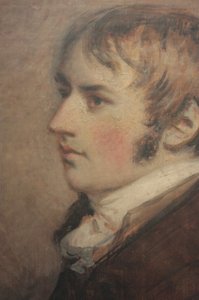
John Constable
1776 - 1837 , United Kingdom
Quick Facts
- Artistic Movement Or Style: Romanticism
- Artists Or Movements Influenced By This Artist: ['Barbizon School']
- Artists Who Influenced This Artist:
- Claude Lorrain
- Jacob Ruisdael
- Date Of Birth: June 11, 1776
- Date Of Death: March 31, 1837
- Full Name: John Constable
- Nationality: British
- Notable Artworks:
- The Hay Wain
- Hadleigh Castle
- Salisbury Cathedral
- Netley Abbey
- Place Of Birth: East Bergholt, UK
Related Articles

John Fulleylove: Evoking Rural England Through Watercolour & Oil
Explore the serene landscapes of John Fulleylove (1845-1908), a celebrated English artist. Discover his charming watercolours & oils, evocative travel illustrations, and lasting legacy. Learn about his life, exhibitions, and artistic style.

Brian Hatton: A Study in Early 20th-Century British Landscape Painting & Rural Identity
Explore the captivating landscapes & portraits of Brian Hatton (1887-1916), a promising British artist lost too soon. Discover his unique style, Herefordshire roots, and lasting legacy in early 20th-century art.

Philip Connard: A Study in British Impressionism & the Evocation of Rural England
Explore the captivating world of Philip Connard (1875-1958), a leading British Impressionist painter renowned for his decorative landscapes and wartime artistry. Discover his life, legacy & available artworks at AllPaintingsStore.

John Constable's Masterpieces: Explore 25 Iconic Landscapes for Your Home
Journey through John Constable's 25 most celebrated landscapes. Explore Romanticism, Dedham Vale & his masterful use of light in iconic paintings like 'Hay Wain'. Find museum-quality art reproductions and elevate your home decor on AllPaintingsStore.com.

John Constable: Nature, Light & the Romantic Vision of Rural England
Explore the life & art of John Constable, the Romantic painter who revolutionized landscape with emotive scenes of rural England. Discover his techniques, legacy, and key works – perfect for collectors & enthusiasts.