American Impressionism: A Professional Guide to Integrating Light and Landscape into Luxury Hospitality Design
Elevate hospitality interiors with the luminous beauty of American Impressionism. Our expert guide for hotel designers explores integrating light-drenched landscapes and custom oil reproductions into luxury spaces through professional procurement and bespoke art solutions.
--- title: Impressionism: Art and Modernity - The Metropolitan Museum of Art author: Margaret Samu url: https://www.metmuseum.org/essays/impressionism-art-and-modernity hostname: metmuseum.org description: In addition to their radical technique, the ...
In the realm of high-end hospitality design, the ability to manipulate atmosphere is perhaps the most potent tool at a designer's disposal. American Impressionism offers an unparalleled vocabulary for this endeavor, moving beyond mere decoration to provide a profound sensory experience. Unlike the rigid, controlled environments of academic studio painting, this movement sought to capture the ephemeral—the way sunlight dances across a meadow or how a morning mist softens the edges of a distant forest. For the hotel designer, integrating these works is not simply about hanging a landscape; it-is about introducing a sense of temporal fluidity and organic warmth into a structured architectural space.
The brilliance of this movement lies in its rejection of static reality in favor of perceived truth. When a guest enters a lobby adorned with Impressionist-inspired textures, they are met with a visual softness that lowers the heart rate and invites contemplation. The works do not demand attention through jarring subjects but rather seduce the eye through subtle shifts in luminosity. By focusing on the interplay of light and shadow, American Impressionists created a bridge between the external natural world and the internal sanctuary of a luxury suite, making these pieces essential for creating spaces that feel both prestigious and profoundly welcoming.
En Plein Air Techniques: Utilizing Naturalistic Textures in Hospitality Decor
The Genesis of 'En Plein Air': From Studio Tradition to Landscape Portraiture Wikipedia: En plein air En plein air (pronounced [ɑ̃ plɛ.n‿ɛʁ]; French for 'outdoors'), or plein-air painting, is the act of painting outdoors. This method contrasts with s...
The technical foundation of this aesthetic is rooted in the practice of en plein air, or painting outdoors. This method revolutionized the artist's relationship with their subject, moving the easel from the dim, controlled confines of the studio directly into the raw, unpredictable elements of nature. For procurement managers and designers, understanding this technique is key to appreciating the tactile value of a high-quality oil reproduction. The en plein air tradition emphasizes visible, energetic brushstrokes and a layered application of pigment that creates a physical topography on the canvas.
When selecting art for large-scale installations, such as corridors or grand staircases, the texture of the paint becomes a critical design element. A true handmade oil reproduction offers a depth of field that digital prints cannot replicate; the way light hits the raised impasto surfaces creates a dynamic effect that changes as a guest moves through a room. This movement toward direct observation brings an authenticity to a space, suggesting a connection to the physical world that feels unmediated and honest. Utilizing these textured works allows a designer to break up the flat planes of modern architecture with organic, rhythmic patterns derived from the very essence of nature.
Curating Landscapes: Selecting Iconic American Works for Large-Scale Hotel Installations
The Texas Landscape Illuminated: A Life in Light and Color Robert Julian Onderdonk, affectionately remembered as “the father of Texas painting,” wasn’t merely a recorder of the Lone Star State's beauty; he was its poetic interpreter. Born in San Anto...
Curating for a commercial space requires a strategic balance between artistic prestige and thematic cohesion. The American Impressionist canon provides a rich tapestry of regional identities that can be leveraged to ground a hotel within its specific geographic context. For instance, the works of Robert Julian Onderdonk, often celebrated as a poetic interpreter of the Texas landscape, offer a way to infuse a property with local soul and luminous color. Such selections allow a brand to tell a story of place, connecting the guest to the heritage of the land through sophisticated visual narratives.
For large-scale architectural features, such as expansive feature walls or mezzanine overlooks, the scale of the artwork must be considered alongside its composition. The movement's focus on wide, sweeping vistas and atmospheric depth makes it particularly suited for multi-panel configurations. By splitting a single landscape across three, four, or even five panels, a designer can create a panoramic window that expands the perceived boundaries of a room. This approach not only accommodates the structural demands of modern hotel architecture but also creates a contemporary, rhythmic flow that guides the eye across the entirety of the installation.
Strategic Color Palettes: Leveraging Impressionist Tones for Mood and Ambiance
Henri Eugène Augustin Le Sidaner (7 August 1862 – 14 July 1939) was an intimist painter known for his paintings of domestic interiors and quiet street scenes. His style contained elements of impressionism with the influences of Édouard Manet, Monet a...
Color is the primary language of the Impressionist, used not to define outlines but to construct volume and mood. In hospitality design, where color temperature can dictate the transition from a high-energy breakfast lounge to a tranquil evening bar, these works serve as vital anchors. The palette of American Impressionism often revolves around nuanced greys, opals, and sun-drenched yellows, providing a sophisticated spectrum that avoids the heaviness of traditional dark-toned academic art.
A designer can strategically use these palettes to reinforce a brand's aesthetic. A suite featuring works with cool, blue-toned nocturnes can evoke a sense of quiet luxury and restfulness, while pieces dominated by warm, golden light can energize a communal dining area. Because these paintings rely on the optical mixing of colors—where small dabs of different hues are placed side-by-side to be blended by the viewer's eye—they offer a complexity that complements modern, minimalist interiors. This creates a sophisticated dialogue between the simplicity of the furniture and the rich, chromatic depth of the artwork.
Customizing the Vision: Bespoke Reproductions and Multi-Panel Solutions for Architectural Integration
The founding Impressionist artists included Claude Monet, Pierre-Auguste Renoir, Camille Pissarro, Alfred Sisley, Edgar Degas, and Berthe ...
The final layer of professional art integration involves the technical customization required to meet the rigorous demands of large-scale procurement. Every hotel project presents unique challenges, from specific wall dimensions to precise color matching with existing upholstery or marble finishes. This is where the ability to "remix" art history becomes an invaluable asset for the designer. Through advanced reproduction services, it is possible to request stylistic shifts—such as applying a modern photograph to the light-drenched style of Monet—or to adjust the tonal range of a classic landscape to better suit a specific lighting scheme.
For the professional decorator, the true value lies in the seamless execution of these complex visions. Whether it is through the engineering of custom canvas wraps that continue the painting around the edges of a frame, or the creation of bespoke multi-panel sets for wide corridors, the goal is total architectural integration. By utilizing high-quality, hand-painted reproductions on 100% cotton canvas, designers can ensure that their chosen pieces are not merely additions to the room, but integral components of the building's very fabric, providing a lasting legacy of beauty and professional excellence.
All professional art procurement and custom reproduction services described in this guide are provided by AllPaintingsStore.com. We specialize in high-volume, museum-quality oil reproductions for the hospitality and corporate sectors, offering everything from bespoke portrait commissions to large-scale architectural murals.
By the AllPaintingsStore.com Editorial Team
Edward Hopper
b. 1931 · Upper Nyack, United States of America
A master of American realism, he captured solitude in Nighthawks. Discover his iconic paintings and evocative light and shadow today.
Discover the evocative world of Henri Le Sidaner, a master of Intimist painting. Explore his tranquil landscapes & atmospheric interiors – a celebration of light and intimacy. Learn about his life, style, and lasting legacy.
Discover how Impressionist art transforms luxury hotels into cultural destinations. Learn strategic curation techniques for designers to use light, color, and heritage-driven narratives to elevate brand identity and guest loyalty through museum-quality oil reproductions.
Explore the history of plein air painting, from its origins with the Barbizon school to Impressionism's revolution & contemporary practice. Discover techniques, artists like Monet & Renoir, and find museum-quality reproductions at AllPaintingsStore.
Elevate hospitality interiors with Post-Impressionist landscapes. Our expert guide explores utilizing masterful color and texture from hand-painted oil reproductions to create immersive, luxury hotel environments through professional art procurement and custom large-scale solutions.
Elevate luxury hospitality with timeless Impressionist reproductions. Discover how professional designers use light, color, and Post-Impressionist depth to create unforgettable hotel atmospheres through bespoke, hand-painted oil masterpieces.


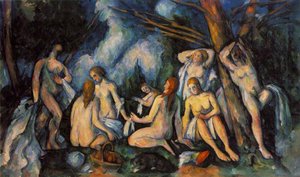


 Capturing Ephemeral Light: Plein Air Painting from Impressionism to Today
 Robert Julian Onderdonk
 Henri Le Sidaner