Byzantine Art Guide: The Eternal Majesty of Golden Mosaics, Sacred Icons, and Imperial Grandeur
Explore the breathtaking splendor of Byzantine art. From luminous golden mosaics to sacred Orthodox icons, discover the technical mastery and imperial grandeur that defined an era of divine radiance and eternal spiritual beauty.
Byzantine mosaics are mosaics produced from the 4th to 15th centuries in and under the influence of the Byzantine Empire. Mosaics were some of the most popular and historically significant art forms produced in the empire, and they are still studied ...
To step into a Byzantine space is to perform a profound act of transcendence, leaving the heavy, mundane world behind to enter a realm of pure, unadulterated radiance. This was not merely an aesthetic preference but a high-impact visual strategy designed to overwhelm the senses and transport the soul. The mosaics of this era, produced from the 4th to the 15th centuries, represent one of the most significant achievements in human artistry. While they evolved from earlier Hellenistic and Roman practices, Byzantine craftsmen introduced technical advances that transformed mosaic art into a unique form of personal and religious expression. These works were often composed of glass tesserae—small, hand-cut pieces of colored glass—which allowed artists to capture and refract light in ways that felt supernatural.
The visual power of these mosaics lies in their mastery of light and the strategic use of gold. By utilizing gold-backed glass tessera ever, artists created a shimmering, celestial atmosphere that effectively separated sacred subjects from the earthly realm. This "golden standard" served as a bridge between the human and the divine, creating an environment where the flicker of a candle could set the entire wall in motion. Whether seen in the grand scale of imperial churches or the intricate details of a palace, these mosaics functioned as a sacred language, communicating complex theological truths through a rhythmic pattern of light and color that continues to captivate art historians and enthusiasts today.
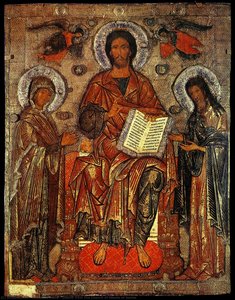
Windows to the Eternal: The Sacred Tradition and Symbolism of Orthodox Icons
The Eternal Window: The Sacred Tradition of Orthodox Icons To gaze upon an Orthodox icon is not merely to observe a painting, but to encounter a window into the eternal. This profound tradition of religious art, rooted deeply in the soil of Byzantine...
To gaze upon an Orthodox icon is not merely to observe a painting, but to encounter a window into the eternal. This profound tradition, rooted deeply in the soil of Byzantine Christianity, transcends time and geography, stretching from the ancient heart of Constantinople across the vast landscapes of Eastern Europe. Unlike the Western Christian tradition, which often seeks to capture the tangible realism of the human form and the dramatic narratives of earthly life, the art of the iconographer strives for something far more elusive: spiritual contemplation. The goal is not to replicate the physical world with photographic accuracy, but to illuminate the sacred mysteries of faith through a language of stylized symbols and luminous textures.
The technical mastery of iconography is inseparable from its spiritual purpose. Iconographers adhered to strict theological canons, believing that the divine could only be properly expressed through forms that transcended earthly limitations. Through the use of specific proportions and a unique perspective, they created a visual theology where every color, line, and gesture serves as a vessel for the holy. The use of gold leaf is perhaps the most striking element, acting as more than mere decoration; it represents the uncreated light of God. This alchemy of divinity creates a shimmering, celestial atmosphere that invites the viewer into a state of prayerful stillness, making the icon a living conduit of faith rather than a static object of art.
Imperial Grandeur: Architecture and the Aesthetic of Power in the Byzantine Empire
Byzantine architecture is the architecture of the Byzantine Empire, or Eastern Roman Empire, usually dated from AD 330, when Constantine the Great established a new Roman capital in Byzantium, which became Constantinople, until the fall of the Byzant...
The architecture of the Byzantine Empire was designed to be a physical manifestation of imperial and divine authority. Following the establishment of Constantinople by Constantine the Great, the architectural style—characterized by massive arches, vaults, and domes—became a hallmark of the Eastern Roman identity. This era of monumental art flourished particularly after the end of the Iconoclastic Controversy, as the empire sought to reassert its spiritual and political dominance through grand construction projects. The architecture was never just about structural integrity; it was about creating an atmosphere of awe that mirrored the majesty of the Emperor and the glory of Heaven.
Within these hallowed halls, the interplay of light and shadow offered an unparalleled glimpse into the artistic sensibilities of the era. Large-scale domes, such as those found in the legendary Hagia Sophia, were designed to appear as if they were suspended from heaven by a golden chain. The integration of wall mosaics with gold backgrounds became standard for these monumental structures, turning entire interiors into shimmering sanctuaries. This architectural grandeur served as a backdrop for the complex rituals of the court and the church, ensuring that every element of the built environment reinforced the stability and divine right of the Byzantine state.
The Alchemy of Light: Technical Mastery in Gold Leaf and Glass Tesserae
The Soul of the Tesserae: Defining the Ancient Art of Mosaic Mosaic A mosaic () is a pattern or image made of small regular or irregular pieces of colored stone, glass or ceramic, held in place by plaster/mortar, and covering a surface. Mosaics are o...
At the heart of Byzantine splendor lies a sophisticated understanding of materials and the physics of light. The creation of these masterpieces required an incredible level of technical innovation, particularly in the production and application of tesserae. These tiny fragments—whether made of stone, ceramic, or glass—were meticulously placed to create breathtaking images. The use of glass tesserae was a revolutionary step, as it allowed for a much richer and more vibrant color palette than traditional stone mosaics. By embedding gold leaf between layers of glass, craftsmen could ensure that the brilliance of the gold would remain protected while simultaneously maximizing its reflective properties.
This meticulous process extended to the very way surfaces were prepared. The application of these pieces onto mortar or plaster required immense skill to ensure the longevity of the artwork. This technical mastery allowed for the creation of works like the Monreale Cathedral mosaics in Sicily, where thousands of square meters of glass tesserae cover the interior in a display of Byzantine style. The ability to manipulate light through the precise angle and placement of each small piece is what gives Byzantine art its characteristic "glow," a feat of engineering that remains one of the most impressive legacies of the medieval period.
A Lasting Legacy: The Influence of Byzantine Art on Global Christian and Islamic Traditions
A Jewel of Venetian Byzantine Scholarship The Hellenic Institute of Byzantine and Post-Byzantine Studies in Venice stands as a singular testament to the enduring legacy of cultural exchange between Greece and Italy—a beacon illuminating the complexit...
The influence of Byzantine artistry did not end with the fall of Constantinople in 1453; rather, it rippled outward, shaping the cultural landscape of much of the world. The aesthetic of the empire exerted significant influence on the burgeoning traditions of Russia, Bulgaria, Serbia, and Romania, where the spread of Eastern Orthodoxy carried the iconographic and mosaic traditions into new territories. Even in the Islamic states of the Umayyad and Abbasid Caliphates, the technical advancements in mosaic work and the use of geometric patterns found deep echoes of Byzantine craftsmanship, demonstrating a profound period of cultural exchange.
Furthermore, the legacy of Byzantium can be traced through the artistic developments of the Norman Kingdom in Sicily and the Republic of Venice. The Hellenic Institute of Byzantine and Post-Byzantine Studies in Venice stands as a testament to this enduring connection, highlighting how Greek identity and artistic innovation were woven into the fabric of Western Europe. From the intricate mosaics of St. Mark’s Basilica to the sacred icons that still grace churches across the globe, the Byzantine era established a visual language of splendor and devotion that continues to inspire artists, architects, and collectors in the modern age.
Step into the golden era of Byzantine art. Explore the breathtaking power of gold mosaics, sacred iconography, and imperial design that shaped history. Discover how this bold, divine aesthetic continues to inspire modern visual impact and luxury interiors.
Explore the divine mastery of Byzantine gold leaf and gilding. Discover how ancient artisans used gold ground and mosaics to create celestial light, a timeless legacy of spiritual splendor and technical excellence in sacred art history.
Explore the rich history of Medieval Art (c. 500 – c. 1500) with AllPaintingsStore. Discover Byzantine mosaics, Gothic cathedrals & Renaissance masterpieces. Expert insights & museum-quality reproductions.




 Byzantine mosaics
 orthodox icons
 Byzantine architecture
 Piece by Piece: Discover the Timeless Beauty and Historical Grandeur of Mosaic Artworks
 Hellenic Institute of Byzantine and Post-Byzantine Studies


