Mastering the Line: A Professional Guide to the Precision and Legacy of Engraving for Interior Designers
Explore the technical precision of engraving and intaglio printmaking. A professional guide for hotel designers on integrating historical line work and museum-quality art reproductions into large-scale hospitality projects with ease and authority.
Intaglio ( in-TAL-ee-oh, -TAH-lee-; Italian: [inˈtaʎʎo]) is the group of printing and printmaking techniques in which an image is incised into a surface and the incised line or sunken area holds the ink. It is the direct opposite of a relief print w...
In the sophisticated realm of interior architecture, where every texture and shadow contributes to a cohesive narrative, the concept of the line serves as a foundational element. To truly master the atmosphere of a luxury hotel or a corporate lobby, one must look beyond the surface of modern digital prints and delve into the profound mechanics of intaglio. Unlike relief printing, which relies on the raised surfaces of a matrix, engraving belongs to the intricate family of intaglio techniques. Here, the artistry resides in the recessed depths—the deliberate incisions made into a metal plate, typically copper or zinc, that hold the ink within their grooves. For the designer tasked with creating an environment of permanence and prestige, understanding this distinction is vital. It is the difference between a flat, superficial decoration and a work of art that possesses a tactile, structural soul. When we integrate these fine-grained textures into a space, we are not merely hanging a picture; we are introducing a sense of depth and architectural weight that anchors the surrounding decor.
Technical Precision: The Burin, the Plate, and the Art of Incised Detail
The Intaglio Edge: Defining the Sharp Precision of Engraving Intaglio (printmaking) Intaglio ( in-TAL-ee-oh, -TAH-lee-; Italian: [inˈtaʎʎo]) is the group of printing and printmaking techniques in which an image is incised into a surface and the inci...
The visceral power of an engraving is born from the disciplined application of the burin, a specialized steel tool capable of carving incredibly fine grooves into a hard surface. This process is a testament to human precision, requiring an unwavering hand to translate vision into tangible form. As the artist pushes the burin through the metal, they create a network of lines that can vary in depth and width, allowing for a sophisticated range of tonal values. This meticulousness is what separates true masterworks from mere reproductions. In the context of high-end procurement, recognizing this level of detail allows a designer to select pieces that offer more than just visual interest; they provide a sense of craftsmanship that mirrors the quality of bespoke furniture and fine masonry. The interplay of light across these incised lines creates a subtle, shimmering effect that changes as a guest moves through a corridor or lounge, offering a dynamic experience that remains anchored in technical excellence.
Historical Lineage: From Renaissance Masterpieces to Modern Decorative Applications
Marcantonio Raimondi: The Florentine Echo in Venetian Printmaking Marcantonio Raimondi (c. 1480 – c. 1534) stands as a pivotal figure in the burgeoning world of Renaissance printmaking, particularly celebrated for his masterful depictions of mytholog...
The history of engraving is a chronicle of human innovation and the desire to disseminate beauty across borders. While its roots can be traced back to ancient metalwork and the decorative arts of antiquity, it was during the Renaissance that engraving ascended to a premier artistic discipline. Figures such as Marcantonio Raimondi utilized the medium to reproduce the divine compositions of Raphael, effectively democratizing high art for a wider audience. Later, the Dutch Golden Age saw the rise of prolific engravers like Crispijn van de Surpass, whose systematic approach to reproducing portraits and architectural designs established a standard of quality that influenced generations. For the modern hospitality professional, this lineage offers an unparalleled library of motifs. By selecting works that echo the precision of the Renaissance or the tonal subtlety of the Dutch masters, a designer can infuse a contemporary space with a sense of historical continuity and cultural authority, bridging the gap between the ancient craft and modern luxury.
Materiality and Texture: Evaluating Engraved Aesthetics in High-End Interiors
The Genesis of Intaglio: From Ancient Metalwork to the Renaissance Masterpiece The story of human expression is etched into the very fabric of our history, often beginning with the tactile manipulation of precious metals. Long before the printing pre...
When selecting art for large-scale projects, the tactile quality of the medium is as important as its subject matter. The intaglio tradition provides a unique aesthetic characterized by sharp precision and a profound sense of materiality. In an era dominated by smooth, digital surfaces, the introduction of works that celebrate the "incised line" offers a necessary counterpoint. These works possess a structural integrity that complements materials like polished marble, brushed brass, and heavy velvets. The depth of the ink within the recessed grooves of an engraving creates a richness of tone that is difficult to replicate with standard printing. For procurement managers looking to create lasting impressions in restaurants or executive suites, choosing art that emphasizes this textural depth ensures that the decor remains visually engaging under various lighting conditions, from the soft glow of ambient lamps to the bright clarity of natural daylight.
Curating the Line: Integrating Printmaking Styles into Large-Scale Hospitality Projects
The Genesis of Printmaking: From Ancient Origins to Early European Developments Wikipedia: Printmaking Printmaking is the process of creating artworks by printing, normally on paper, but also on fabric, wood, metal, and other surfaces. "Traditional p...
The final stage of masterful design lies in the curation and large-scale application of these graphic traditions. The modern trend toward multi-panel or "group set" paintings allows for the expansion of a single, intricate engraving across vast wall surfaces, creating a monumental impact suitable for grand staircases or expansive lobbies. This approach requires a keen eye for how colors and lines flow seamlessly across multiple canvases to maintain a cohesive architectural look. Whether it is through the use of large-format murals that recreate historical ceilings or the strategic placement of fine prints in intimate alcoves, the goal is to use the precision of the line to guide the eye and define the space. By leveraging professional services that offer custom sizing and digital mockups, designers can ensure that every chosen piece—whether a hand-painted oil reproduction or a museum-quality print—is perfectly scaled and positioned to elevate the entire architectural vision.
At AllPaintingsStore.com, we specialize in making these historical legacies accessible for large-scale professional projects. From custom-sized oil reproductions to high-fidelity prints, our catalog is designed to meet the rigorous demands of the hospitality and design industries. We provide the reliability, volume capacity, and technical expertise required to transform your architectural concepts into enduring realities.
Explore the profound mastery of engraving and intaglio printmaking. Delve into the rich history, technical precision of the burin, and the enduring legacy of fine art techniques that shaped the world's most iconic masterpieces.
Explore the profound history and technical mastery of engraving. From ancient woodblocks to intaglio precision, discover how the art of the line shaped visual history through our expert-led guide for art lovers and collectors.
Embark on a scholarly journey through the Early Renaissance. Discover the profound evolution of perspective, humanism, and anatomical precision that defined the Quattrocento era through an expert art-historical lens.


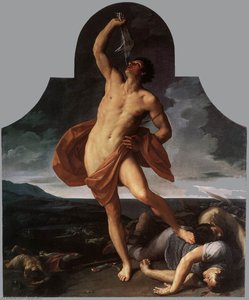

 Intaglio (printmaking)
 Marcantonio Raimondi
 The Art of Engraving: Mastering Precision and Detail in the Intaglio Tradition
 The Enduring Legacy of Printmaking: Techniques, Themes & Artistic Innovation Across Centuries