The Alchemy of Oil: Early Netherlandish Foundations and the Mastery of Light
The origins of the Northern Renaissance are found in the meticulous application of oil paint, a medium that allowed for a level of detail previously unseen in European art. Before the Italian Renaissance reshaped the continent, the Flemish Primitives—including figures such as Jan van Eyck—were already refining the technical capabilities of oil. This period was defined by a devotion to the tangible, where the texture of a heavy fabric or the glint of light on a metal vessel was rendered with absolute clarity. Unlike the fresco traditions of the south, the Low Countries utilized the slow-drying properties of oil to build layers of translucent glazes, creating a depth of color that felt physically present.
This technical precision finds a modern echo in the way we approach the reproduction of historical textures. Just as the early Netherlandish masters used glazes to capture the subtle sheen of a pearl, our hand-painted oil reproductions utilize physical brushstrokes and layered pigments to avoid the flat, lifeless appearance of a digitalprint. The goal remains the same: to capture the specific way light interacts with a surface, whether that surface is a piece of velvet or a human cheek.
The wealth of the Low Countries, driven by trade through Bruges, provided the economic stability necessary for these artists to flourish. This prosperity allowed for a high degree of specialization, where the mastery of light became a primary vehicle for expressing both religious devotion and material success.
The Moral Landscape: Hieronymus Bosch and the Language of Symbolism
Hieronymus Bosch. A master of surreal symbolism known for The Garden of Earthly Delights. Explore his haunting and fantastical visions today.
As the 16th century progressed, the focus of Flemish art shifted toward the internal and the surreal. Hieronymus Bosch stands as a singular figure from this era, moving away from the serene realism of his predecessors toward a world of dreams and psychological tension. His works are populated by hybrid creatures and unsettling imagery that seem to defy the rational order of the physical world. Bosch did not merely paint scenes; he constructed complex allegories of sin and temptation, using a visual vocabulary that was deeply rooted in the folk tales and religious anxieties of his time.
The complexity of Bosch’s symbolism finds a parallel in the contemporary demand for art that invites deep contemplation rather than mere decoration. In an age of instant visual consumption, his work demands a slower, more deliberate engagement to decode its many layers of meaning. This is why collectors often seek out works that possess a certain intellectual weight, moving beyond simple aesthetics to find pieces that provoke thought and conversation.
Bosch’s ability to blend the meticulous detail of the Early Netherlandish tradition with a sense of the irrational created a style that felt remarkably modern. His work serves as a reminder that art can function as a mirror to the subconscious, capturing the fragility of human morality through the lens of the fantastic.
The Dignity of the Everyday: Pieter Bruegel the Elder and the Birth of Genre Painting
Pieter Bruegel the Elder. A Northern Renaissance master of peasant life and landscapes like Hunters in the Snow. Discover his iconic works today.
The transition from the symbolic chaos of Bosch to the grounded reality of Pieter Bruegel the Elder marks a significant evolution in the Northern Renaissance. Bruegel moved the focus of the canvas toward the lives of common people, elevating the scenes of village life, harvests, and festivals to the status of high art. In works such as Flemish Proverbs, held in the Koninklijk Museum voor Schone Kunsten, we see a world populated by peasants, horses, and birds, all rendered with a profound sense of observation. This was the beginning of genre painting, where the subject was no longer just the divine or the heroic, but the lived experience of the human condition.
This shift toward the observational finds a contemporary resonance in the way we use art to anchor a space. A large-scale landscape or a scene of daily life can serve as a focal point in a modern interior, providing a sense of warmth and human connection that abstract or purely formal works may lack. It is the difference between art that merely occupies a wall and art that inhabits a room.
Bruegel’s legacy is one of perspective. By placing the peasant at the center of the composition, he challenged the traditional hierarchies of subject matter, proving that the rhythms of everyday life were as worthy of artistic study as the lives of saints.
The Infinite Horizon: Joachim Patinir and the Invention of the World Landscape
Joachim Patinir: A master of atmospheric landscapes & fantastical scenes. Explore his dramatic vistas, influence on Netherlandish art, & collaborations with Dürer.
While Bruegel focused on the people within the scene, Joachim Patinir turned the gaze toward the horizon itself. Patinir is credited with developing the "world landscape" compositional type, a style characterized by vast, sweeping vistas that emphasize the scale of nature. These landscapes often utilized a specific color palette—moving from earthy foregrounds to blue-toned, distant mountains—to create an illusion of immense depth. This was not a literal representation of a specific place, but a constructed vision of the world's grandeur.
The concept of the expansive landscape continues to influence how we approach large-scale art in modern architecture. The use of multi-panel layouts or "split" compositions allows these wide vistas to flow across large walls or staircases, creating a sense of continuity and openness. It is a technique that respects the original intent of the artist while adapting the scale to fit the requirements of contemporary spaces.
Patinir’s contribution was to make the environment itself a protagonist. In his works, the landscape is not merely a backdrop for human action but a complex, breathing entity that commands the viewer's attention through its sheer scale and atmospheric depth.
The Northern Synthesis: Antwerp Mannerism and the Italian Influence
The 16th century was a period of intense cultural exchange, as Italian Renaissance ideals began to move northward. This did not result in a simple imitation of Italian styles, but rather a unique synthesis known as Antwerp Mannerism. Artists in the Low Countries began to incorporate classical elements and Italianate proportions while maintaining the traditional Flemish emphasis on detail and texture. This period saw a tension between the new humanism of the south and the established Gothic sensibilities of the north, resulting in a style that was both sophisticated and deeply rooted in local tradition.
This tension between tradition and innovation is a constant in the world of fine art. We see it today in the way collectors might "remix" history, placing a classical portrait in a modern, minimalist setting to create a dialogue between different eras. It is a way of honoring the past without being trapped by it, allowing historical styles to remain living elements of modern design.
The presence of Italian architects like Tommaso Vincidor and Alessandro Pasqualini in the Low Countries further illustrates this cross-pollination. The result was a hybrid culture that was among the richest and most influential in Europe, bridging the gap between the classical ideals of Italy and the meticulous craftsmanship of the North.
The Continuity of Craft: From Renaissance Precision to the Flemish Baroque
As the 16th century drew to a close, the stylistic shifts in the Low Countries reflected the political fractures of the region. The split between the Northern and Southern Netherlands led to the emergence of the Dutch Golden Age in the north and the Flemish Baroque in the south. This evolution was a continuation of the pursuit of realism, but it moved toward a more dramatic and emotional expression. The precision of the Renaissance gave way to the theatricality of the Baroque, where light and shadow were used to heighten the impact of the composition.
This lineage of craftsmanship is what we strive to uphold in our own studio work. Whether it is a custom commission or a reproduction of a classic, the emphasis remains on the integrity of the medium. The use of flexible gesso to prevent cracking and specific oils to ensure longevity are modern technical responses to the same challenges faced by the Old Masters. We aim to provide art that is not a temporary decoration, but a lasting investment.
The legacy of the Flemish masters is not found in a single style, but in a persistent commitment to the mastery of materials. From the early oil glazes of the Primitives to the dramatic brushwork of the Baroque, the history of Flemish art is a history of technical evolution and an unwavering respect for the craft of painting.
For those seeking to bring these historical traditions into a contemporary setting, AllPaintingsStore.com offers a wide range of hand-painted oil reproductions and custom services designed to meet professional and private standards.
Step into the surreal nightmares of Hieronymus Bosch. Explore 25 iconic Northern Renaissance masterpieces, from dark symbolism to legendary imagery. Find inspiration for museum-quality art reproductions and curated decor. Discover all masterpieces on AllPaintingsStore.com.


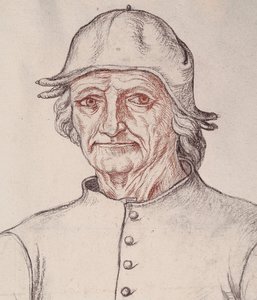 Hieronymus Bosch
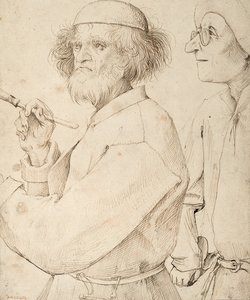 Pieter Bruegel the Elder
 Joachim Patinir


