Geometric abstraction is a form of abstract art based on the use of geometric forms sometimes, though not always, placed in non-illusionistic space and combined into non-objective (non-representational) compositions. Although the genre was popularize...
Geometric abstraction functions through the use of geometric forms within non-illusionistic space. Unlike representational art, these non-objective compositions do not rely on recognizable figures to establish presence. For a professional designing hospitality or corporate spaces, this movement offers a structured visual language that avoids the narrative distractions of figurative works. The focus remains on the inherent properties of the medium: line, shape, and color.
The strength of this style in large-scale installations lies in its ability to provide order. By utilizing mathematical precision, these works create a sense of stability and clarity. In high-traffic environments such as hotel lobbies or executive lounges, geometric compositions act as anchors, providing a focal point that is intellectually engaging without being visually overwhelming. The absence of a literal subject allows the artwork to integrate with modern architecture rather than competing against it.
Takeaway: Use geometric abstraction to establish structural order and visual clarity in modern interiors.
Historical Lineage: From Cubism to Suprematism and Beyond
Discover Georges Braque (1882-1963): Cubism pioneer & Fauvism master. Explore his innovative art, from 'Houses at L'Estaque' to stunning collages.
The evolution of this movement is rooted in the early 20th-century avant-garde, specifically within the development of Cubism in Paris. Pioneers like Pablo Picasso and Georges Braque began by analyzing subjects through multiple perspectives, breaking them into abstract forms. This process eventually led to more radical phases, such as Analytic Cubism, where Juan Gris helped define a more fragmented approach. As the movement progressed toward Proto-Cubism, artists reduced color palettes and utilized geometric schemas of cubic or conic shapes, heavily influenced by the late works of Paul Cézanne.
Following these developments, more purely non-objective movements emerged. Wassily Kandinsky acted as a forerunner to pure abstraction, while Kazimir Malevich and Piet Mondrian pushed toward total reduction. Mondrian’s technique, characterized by the construction of horizontal and vertical lines in works like Composition No. 10, sought a universal harmony. Similarly, the De Stijl movement championed a reductive aesthetic using primary colors and bold shapes. This lineage extends to the Czech Cubists in Prague, who utilized sharp points and crystalline shapes to create a unique, localized expression of modernism.
A Dance of Perception: Exploring Victor Vasarely’s “Abstract Composition 8” Victor Vasarely's "Abstract Composition 8" is more than just a painting; it’s an invitation to question the very nature of visual reality. Executed in oil on canvas with meti...
In large-scale hospitality design, artwork must do more than occupy a wall; it must define the volume of the room. Geometric abstraction excels at this through its manipulation of perceived depth. While the compositions are non-illusionistic, they can suggest movement and spatial tension. For example, the works of Victor Vasarely utilize Op Art techniques to create an illusion of vibration or depth on a flat surface. In Abstract Composition 21, the strategic deployment of varying square sizes makes certain elements appear to recede while others leap forward.
This ability to manipulate perception is useful when defining different zones within a single large floor plan. A series of works with heavy, dark lines can ground a seating area, whereas lighter, more rhythmic patterns might suit a transition corridor. The use of multi-panel layouts, such as triptychs, further assists in spanning wide architectural features like staircases or long hallways. This creates a cohesive visual flow that guides the guest through the space.
Takeaway: Deploy geometric works with varying perceived depths to delineate different functional zones within a large floor plan.
Chromatic Strategy: Color Theory in Patterned Compositions
Exploring the Simplicity of Geometric Harmony This artwork exemplifies the beauty of minimalism through its precise arrangement of geometric forms. Its clean, structured composition invites viewers to appreciate the elegance of basic shapes and the p...
Color in geometric abstraction is rarely decorative; it is structural. In the De Stijl tradition, color is used to achieve balance and rhythm through primary hues and stark contrasts. Piet Mondrian’s Composition with Blue 1 demonstrates how a single, saturated blue square can act as a visual anchor within an ordered grid, providing a point of focus that stabilizes the entire composition. This controlled use of color prevents the eye from wandering aimlessly, which is essential in maintaining a professional atmosphere.
Conversely, other branches of the movement utilize color to generate energy. The works of Laurent Fabre utilize complex color fields to create a sense of depth and chromatic vitality. In larger installations, a designer must consider how the palette of the artwork interacts with the room's lighting and fixed finishes. A high-contrast palette can invigorate a muted space, while a monochromatic or limited-palette approach—similar to the works found in the Instituto Tomie Ohtake—can foster an atmosphere of calm and introspection.
Takeaway: Select color palettes that either anchor a space through stability or invigorate it through high-contrast tension.
Implementation Logistics: Multi-Panel Layouts and Large-Scale Series
Abstract Composition [Triptych] by Vaclav Vytlacil (1937). Explore this dynamic black & white triptych featuring bold lines, textures & geometric shapes. A key example of American modernism.
For procurement managers, the logistics of scale are paramount. Geometric abstraction is particularly suited to the "multi-panel" trend, where a single composition is split across three, four, or five panels. This approach allows for the coverage of massive wall surfaces without the prohibitive weight or cost of a single monolithic canvas. Our studio specializes in these configurations, ensuring that brushstrokes and color transitions flow seamlessly across every panel to maintain architectural cohesion.
When managing large-scale installations, such as hotel murals or ceiling frescoes, the technical requirements change. We produce large-format works on massive canvas rolls that can be installed similarly to high-end wallpaper. For projects requiring specific dimensions to fit custom millwork or structural columns, we offer bespoke sizing. This ensures that the artwork respects the precise measurements of the hospitality space, preventing any visual misalignment with the surrounding architecture.
Takeaway: Utilize multi-panel layouts and custom-sized canvases to cover large architectural surfaces with precision.
Procurement Essentials: Customization, Sizing, and Project Coordination
Commission a stunning custom bronze sculpture of movement and grace from AllPaintingsStore.com. Crafted with lost-wax casting and patina finish, this unique piece adds elegance to any space. Request your personalized quote today.
Successful large-scale art procurement requires a reliable supply chain and clear communication. When commissioning reproductions or custom works, the ability to "remix" history is a significant advantage. We offer professional digital mockup services, allowing designers to see a composition placed on a photo of their actual wall before production begins. This stage is critical for verifying color matching with existing upholstery or stone finishes and for approving dimensions within the intended frame.
Our process is designed for the efficiency required by B2B clients. Every custom order is assigned a Project Coordinator who serves as a single point of contact, managing everything from initial digital proofs to final delivery via DHL or FedEx. We provide all necessary documentation, including VAT-compliant invoices and customs support for international projects in regions like Brazil, Mexico, or Turkey. This level of operational reliability ensures that art installation remains a predictable component of the broader construction or renovation timeline.
Takeaway: Use professional mockups and dedicated project coordination to ensure artwork integrates perfectly with architectural specifications.
Journey through the revolutionary world of Georges Braque. From Analytical Cubism to iconic still lifes, explore 25 timeless masterpieces and find museum-quality art reproductions for your collection. Discover all masterpieces on AllPaintingsStore.com.
Immerse yourself in the hypnotic world of Victor Vasarely. Explore 25 iconic Op Art masterpieces, from geometric abstractions to optical illusions. Find inspiration for your decor with museum-quality art reproductions. Discover all masterpieces on AllPaintingsStore.com.


 Geometric abstraction
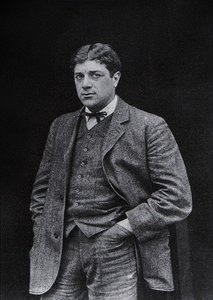 Georges Braque
 Abstract composition 8
 Composition with Blue 1
![Abstract Composition [triptych]](/media/artworks/images-thumb/08/3c/083c0675045645fd42d4e6c6d63f1ced.jpg) Abstract Composition [triptych]
Abstract Composition [triptych] Request a Custom Quote Today!bronze sculptureCommission a truly unique sculpture – a dynamic bronze depiction of movement and grace. This piece, inspired by dancers or performers, showcases exceptional anatomical detail and flowing lines, brought to l