--- title: Impasto | Tate url: https://www.tate.org.uk/art/art-terms/i/impasto hostname: tate.org.uk description: Tate glossary definition for impasto: An area of thick paint, or texture, in a painting sitename: Tate date: 2015-10-09 --- First notice...
To understand the true nature of a painting, one must look beyond the image to the substance itself. The term impasto finds its roots in the Italian word for dough or mixture, a linguistic nod to the way paint is kneaded and applied with a heavy, tactile density. It is a technique where the artist refuses to let the canvas remain a mere window into another world; instead, they treat it as a physical site of construction. When paint is laid upon a surface in thick, unblended layers, the brushstrokes or palette knife marks become visible, creating a relief that rises from the fabric.
This method changes how we perceive a composition. Rather than a smooth, illusionistic plane, the surface becomes a landscape of ridges and valleys. This thickness allows the artist to manipulate how light interacts with the work. As light hits the raised edges of a dried stroke, it creates minute shadows within the painting itself, adding a layer of complexity that no flat print can replicate. It is the difference between observing a memory and encountering an object.
Foundations of Relief: From Renaissance Masters to Modern Surfaces
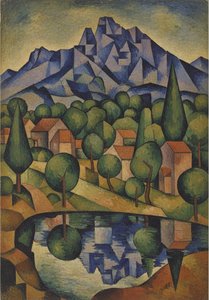
Post-Impressionism (also spelled Postimpressionism) was a predominantly French art movement which developed roughly between 1886 and 1905, from the last Impressionist exhibition to the birth of Fauvism. Post-Impressionism emerged as a reaction agains...
The use of thick pigment was not always a tool for abstraction; it began as a way to capture the specific weight of reality. During the Renaissance, masters such as Titian and Tintoretto utilized impasto to represent the heavy folds of velvet drapery or the glint of precious jewels. By concentrating paint on these focal points, they provided a sense of material truth that grounded their compositions in the physical world. This early application was often juxtaposed with smoother, more delicate passages, creating a controlled tension between light and shadow.
This tradition of using texture to denote substance evolved significantly as art moved toward the nineteenth century. What began as a way to mimic silk or stone became a means of expressing the very energy of the medium. In the hands of later artists, the thick application of oil paint transitioned from a descriptive tool to an expressive one. The surface of the painting ceased to be a passive recipient of color and became an active participant in the storytelling, much like the way contemporary works by David Moreau use plaster and heavy pigment to build dense, tactile universes that demand close inspection.
Building Form: Cézanne and the Architecture of Color
The Painting "Cezanne's Peaches, Pears and Grapes " is a captivating still life that exemplifies the artist's unique approach to color and composition. Painted in 1879, this oil on canvas work measures 57 x 44 cm and is a quintessential representatio...
Paul Cézanne sought to do something profoundly ambitious with his work: he wanted to make Impressionism as solid and durable as the art found in museums. While many of his contemporaries were preoccupied with the fleeting effects of light, Céziente focused on the underlying structure of his subjects. In works such as Peaches, Pears and Grapes (1879), we see a departure from purely naturalistic depiction. He used color and deliberate, structured brushstrokes to build volume, treating fruits and objects as geometric forms rather than mere ephemeral shapes.
This approach turned the canvas into an architectural space. By applying paint in a way that emphasized the weight of the apples and the roundness of the pears, he created a sense of permanence. His method was not about capturing a passing moment, but about investigating the very nature of perception. This structural use of pigment laid the essential groundwork for much of modern art, proving that texture could be used to organize space and create a lasting sense of order through the careful arrangement of color and mass.
The Gesture of Emotion: Van Gogh’s Expressive Marks in Contemporary Abstraction
A Symphony of Red: Exploring Emile Nolde’s “Garden Path” “Garden Path” by German-Danish Expressionist painter Emile Nolde is a captivating oil painting that plunges the viewer into an intensely vibrant floral world. More than a simple depiction of fl...
If Cézanne used texture to build structure, Vincent van Gogh used it to broadcast emotion. For Van Gogh, the thick, swirling application of paint was a direct extension of his internal state. His brushstrokes were not merely marks on a surface; they were rhythmic, energetic traces of a human hand in motion. This use of impasto allowed the artist to convey movement and psychological intensity, where the very texture of the paint mirrored the turbulence or vitality of the subject matter.
This legacy of expressive gesture remains a vital force in contemporary art. We see this same impulse in the works of artists like Emile Nolde, whose Garden Path utilizes bold, unrestrained brushwork to immerse the viewer in a floral world of sensation. The heavy application of paint creates a nearly sculptural effect, where the boundaries between individual forms blur into a singular, energetic experience. This lineage continues through modern abstraction, where the physical act of painting—the weight of the stroke and the resistance of the medium—remains the primary vehicle for communicating profound human feeling.
Light on the Ridge: The Interplay of Shadow and Topography
A Vision of Somber Grandeur Fragmented Midnight: A Monumental Study in Impasto Blue and Somber Texture is a profound exploration of depth, weight, and monochromatic tension. This contemporary abstract masterpiece departs from traditional landscapes t...
The true magic of impasto occurs when the viewer moves in relation to the painting. Because the surface is topographical, the light does not simply illuminate the work; it interacts with its physical architecture. A ridge of dried oil paint catches a highlight, while the trough beside it falls into a deep, self-generated shadow. This creates a dynamic experience where the painting appears to shift and change depending on the angle of the light and the position of the observer.
This interplay is essential for creating depth without relying on traditional perspective. In contemporary works like Christian Noiret’s Fragmented Midnight, the use of heavy, monochromatic blocks of blue creates a landscape of shadows that feels both deep and structural. The texture provides a sense of movement even in a static image. When light travels across these ridges, it reveals the hidden complexities of the composition, making the artwork feel like a living, breathing entity rather than a flat, unchanging surface.
Preserving the Tactile: The Enduring Value of Hand-Painted Texture
Introduction Imagine walking into a room where the walls do not merely hold color, but breathe with texture. As you step into the world of David Moreau , you are not just looking at paintings; you are encountering a landscape of ridges, valleys, and ...
In an era increasingly dominated by the digital and the two-dimensional, there is a profound value in the tangible. A high-quality oil reproduction, much like an original, relies on the physical presence of the medium to convey its meaning. When an artist applies paint by hand on cotton canvas, they are recreating the very soul of the work—the visible brushstrokes, the thickness of the pigment, and the subtle variations in light that a computer-printed image cannot achieve.
This commitment to materiality is what allows art to remain a sensory anchor. Whether it is a meticulously crafted recreation of a Cézannestill life or a modern abstract piece built with layers of plaster and oil, the physical texture provides a connection to the tradition of craftsmanship. It invites us to slow down, to observe closely, and to appreciate the labor and intention behind every ridge and valley. At AllPaintingsStore.com, we celebrate this enduring power of the handmade, ensuring that the tactile legacy of the masters continues to find a place in the modern home.
Explore the profound legacy of Paul Cézanne. Discover how his mastery of geometric forms and vibrant color bridged Impressionism and Cubism, offering timeless inspiration for fine art collectors and enthusiasts seeking to understand the foundations of modern art.
Immerse yourself in the tactile world of David Moreau. Explore our curated list of 25 iconic textured artworks, from heavy impasto to modern abstraction. Find museum-quality reproductions and decor inspiration for collectors. Discover all masterpieces on AllPaintingsStore.com.


 Post-Impressionism
 Peaches, Pears and Grapes
 Garden path
 Fragmented Midnight: A Monumental Study in Impasto Blue and Somber Texture
 25 Masterpieces by David Moreau: The Ultimate Guide to Textured Art