The Essence of Impressionism: Defining Light, Movement, and Atmosphere
To step into a room adorned with Impressionist works is to experience a fundamental shift in perception. Unlike the rigid, structured compositions of the Neoclassical era, Impressionism seeks to capture the ephemeral—the fleeting moment where light dances upon water or the soft haze of a morning mist settles over a garden. For the hospitality professional, this movement offers more than mere decoration; it provides an atmospheric toolset to manipulate the mood of a space. The core of Impressionism lies in its rejection of sharp outlines and somber tones in favor of a sensory experience that prioritizes how we feel in a moment rather than exactly what we see.
This movement, born from the radical shifts of the late 19th century, introduced a way of seeing that celebrates the transient. When designing a hotel lobby or a boutique restaurant, understanding this essence allows a designer to use art as a medium for environmental storytelling. By selecting works that emphasize atmosphere over literal representation, you can create spaces that feel breathable, luminous, and deeply connected to the natural rhythms of light. It is an invitation to the guest to pause and observe the subtle transitions of color that define our perception of reality.
Technical Mastery: Understanding Color Theory and Broken Brushstrokes
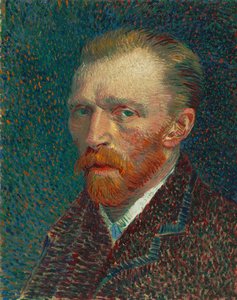
The technical brilliance of the Impressionist masters resides in their revolutionary approach to color theory and application. Rather than blending pigments on a palette to achieve a smooth, flat finish, artists like Claude Monet and Pierre-Auguste Renoir utilized broken brushstrokes—small, distinct dabs of pure color placed side by side. This technique relies on the viewer's eye to perform optical mixing, where colors merge at a distance to create a more vibrant, shimmering effect than could ever be achieved through traditional blending. For the interior designer, this means that an authentic oil reproduction offers a depth and luminosity that digital prints simply cannot replicate.
Furthermore, the Impressionist palette moved away from heavy blacks and earth tones, opting instead for complementary colors to define shadows. A shadow in an Impressionist landscape is rarely black; it is often composed of deep blues, violets, or cool greens, which maintains the luminosity of the entire composition. When sourcing hand-painted reproductions, observing these visible brushstrokes and the impasto texture is crucial. The physical presence of the paint adds a tactile dimension to a wall, catching ambient light and providing a sophisticated, multi-layered aesthetic that elevates the architectural quality of any commercial interior.
Integrating Impressionist Aesthetics into Hospitality and Commercial Interiors
Integrating Impressionism into large-scale hospitality projects requires a strategic approach to color coordination and spatial flow. Because Impressionist works are inherently light-drenched, they serve as excellent tools for brightening darker corridors or adding a sense of openness to enclosed lounge areas. A designer can utilize the color palettes found within these masterpieces to inform the broader textile and upholstery selections of a room. For instance, pulling the soft lavenders from a Renoir landscape can create a cohesive, calming environment in a luxury spa or guest suite.
The challenge for the procurement manager lies in maintaining this aesthetic across multiple rooms while ensuring durability and impact. The key is to treat the artwork not as an afterthought, but as a foundational element of the interior's color story. By selecting pieces that reflect the specific lighting conditions of the venue—perhaps warmer, sun-drenched works for a breakfast atrium or cooler, more tranquil compositions for a late-night bar—you create a curated journey for the guest. This level of intentionality transforms a standard hotel room into a sophisticated, art-driven experience that resonates with high-end travelers.
Scaling the Vision: From Single Canvas to Large-Format Murals and Multi-Panel Sets
In modern architectural design, the scale of the artwork must match the scale of the architecture. A single, small canvas often disappears on a vast hotel feature wall; therefore, the use of multi-panel sets or "triptych" layouts is an essential strategy for creating visual impact. Splitting a classic Impressionist scene across three, four, or even five panels allows the artwork to command the space, guiding the eye along staircases or across expansive dining halls. This technique provides a contemporary, rhythmic energy that breaks up large surfaces without overwhelming them.
For truly transformative spaces, such as grand lobbies or ceiling treatments, the move toward large-format murals and frescoes offers unparalleled luxury. Recreating historical textures—such as the sweeping vistas of an Impressionist sky across a ceiling—can redefine the entire volume of a room. These large-scale applications require precise engineering to ensure that the brushwork flows seamlessly across every panel or roll of canvas, maintaining the illusion of a single, continuous masterpiece. This approach allows designers to treat walls and ceilings as canvases themselves, turning structural elements into immersive works of art.
Sourcing for Scale: Procurement Strategies for Reproductions and Custom Commissions
For procurement managers and hospitality designers, the primary objective is to balance aesthetic excellence with operational reliability. When furnishing large-scale projects, the ability to source high-quality, repeatable, and scalable art is paramount. The modern professional requires a supplier that understands the complexities of bulk orders, providing consistent quality across multiple sizes and even custom color matching to align with specific brand palettes. This might involve requesting "period shifts," where a contemporary photograph is reimagined in the light-drenched style of Monet to fit a specific hotel concept.
Efficiency in the procurement flow—from receiving digital mockups for approval to ensuring timely, tracked delivery via global carriers like DHL or FedEx—is what separates a successful project from a logistical nightmare. Reliability in documentation, such as VAT-compliant invoicing and customs support, is equally critical for international hotel chains. By partnering with established providers who specialize in hand-painted oil reproductions, designers can access a deep catalog of historical masterpieces that are ready to be scaled, customized, and deployed, ensuring that every project achieves a standard of timeless sophistication without compromising on budget or timeline.
For professional art procurement, custom commissions, and high-volume orders for hospitality projects, visit AllPaintingsStore.com to explore our extensive catalog of master-level reproductions and bespoke services.