The Architectural Impact of Landscape Art: Enhancing Hospitality Interiors Landscape painting Landscape painting, also known as landscape art, is the depiction in painting of natural scenery such as mountains, valleys, rivers, trees, and forests, esp...
In large-scale hospitality design, the physical constraints of urban hotel structures often present a challenge to creating an atmosphere of openness. Landscape art functions as a strategic architectural tool to mitigate these limitations. By introducing vistas of mountains, valleys, or tranquil rivers, a designer can dissolve the perceived boundaries of a room, offering guests a psychological escape into an infinite horizon. A well-placed panoramic view acts as a window, replacing the claustrophobia of dense urban settings with the restorative power of nature.
The selection of subject matter must align with the intended narrative of the space. For instance, works such as Landscape Study by Sir Alfred James Munnings utilize horizontal bands of landforms to suggest an undulating rhythm that can ground a large lobby. Conversely, more expansive compositions like those found in Martinique Landscape by Eugène Henri Paul Gauguin provide a sense of tropical depth. When selecting for high-traffic areas, the scale of the vista should be calculated against the room count and ceiling height to ensure the artwork anchors the space rather than overwhelming it.
The decision for procurement professionals involves balancing the desire for expansive views with the structural reality of the wall. Large-scale landscapes are highly effective for creating focal points in corridors or lounges, provided the composition directs movement appropriately. Verdict: Use wide-angle landscape subjects to expand small or windowless suites.
Atmospheric Control: Implementing En Plein Air Light and Color Theory
From Controlled Studios to Open Skies: The Great Environmental Shift Mastering the Open Air: A Definitive Guide to En Plein Air Landscapes and the Evolution of Light in Art History The Studio vs. The Sky: The Historical Shift from Idealized Landscape...
The transition from controlled studio environments to the technique of en plein air—painting outdoors—introduced a fundamental change in how light and color are perceived on canvas. Before the mid-19th century, landscapes were often idealized, studio-bound compositions. The advent of portable tools, such as the collapsible paint tube invented by John G. Rand in 1841, allowed artists like Claude Monet and Pierre-Auguste Renoir to capture the ephemeral effects of weather and light in real time. This method prioritizes the sensory experience of a single moment, using broken brushstrokes and a luminous palette to record shifting shadows and sunlight.
For the designer, understanding these technical nuances is essential for achieving specific atmospheric goals within a hospitality interior. The use of color theory—the relationship between hues, contrasts, and harmonies—can be leveraged to influence guest mood. A space requiring tranquility might benefit from the soft, blue-toned atmospheres found in En Plein Air by Edward Arthur Walton. In contrast, a more energetic lounge could utilize the vivid, layered palettes seen in Post-Impressionist works. The interplay of light and shadow, achieved through thick oil applications or impasto, adds a tactile dimension that enhances the sensory depth of a room.
When implementing these works, consider the lighting design of the space itself. The way artificial light interacts with the textured surface of a hand-painted reproduction can significantly alter the perceived color temperature. Verdict: Select En Plein Air reproductions to introduce natural light dynamics into windowless interior zones.
Architectural Integration: Multi-Panel Configurations and Large-Format Murals
Integrating fine art into large-scale hospitality projects requires a focus on logistics and structural cohesion. For expansive walls, such as those found in grand hotel lobbies or long dining corridors, single-canvas solutions are often insufficient. The multi-panel trend—splitting a single image across three, four, or five panels—allows for a seamless blend between the building's structural elements and the organic beauty of the artwork. This configuration creates a modern, rhythmic aesthetic that can follow the flow of a staircase or a wide architectural feature.
Beyond standard canvases, large-format murals and frescoes offer a way to recreate historical grandeur on a massive scale. These works are painted on substantial canvas rolls and installed similarly to high-end wallpaper, allowing for the transformation of entire ceilings or feature walls. This is particularly effective when attempting to replicate the structural impact of classical landscapes within a contemporary framework. The ability to customize sizing ensures that the artwork fits the precise dimensions of the project, maintaining the integrity of the composition across large surface areas.
The trade-off in multi-panel installations involves increased complexity in alignment and mounting compared to single pieces. However, the visual impact on guest impressions is significantly higher. Verdict: Utilize multi-panel configurations for wide architectural spans to create a cohesive, modern focal point.
Material Durability: Comparing Hand-Painted Oils and Giclée Prints
In a commercial environment, the durability of wall coverings is as critical as their aesthetic value. Procurement managers must distinguish between different production methods to ensure long-term ROI. A 100% hand-painted oil reproduction on cotton canvas offers a deep tonal range and physical texture (impasto) that digital prints cannot replicate. These works are finished with a coat of Damar varnish, which protects the surface from dust, moisture, and atmospheric pollutants, making them suitable for high-end, long-term installations.
Giclée prints, while more cost-effective and faster to deploy, present different technical profiles. These are computer-printed using archival 12-color inks with a longevity rating of 75 to 100 years. While they provide an accurate color match, they lack the tactile depth of real paint and can appear flat under certain lighting conditions. For high-traffic areas where physical contact or cleaning may occur, the choice between the textured, robust nature of oil and the smooth, efficient nature of a print must be weighed against the budget and the intended lifespan of the interior design.
The primary trade-off is between the tactile prestige of hand-painted oils and the logistical ease of prints. Verdict: Specify hand-painted oils for flagship suites and lobby focal points; use Giclée prints for high-volume, secondary guest rooms.
Procurement Logistics: Managing Custom Sizing and Global Delivery
Managing art procurement for large-scale hospitality projects requires rigorous attention to timelines and international logistics. For custom commissions or complex reproductions, a structured production process is necessary to ensure project deadlines are met. A professional workflow should include order confirmation, digital mockups for color matching, and a pre-shipment photo approval stage. This allows designers to verify that the artwork's palette aligns with the room's textile and furniture selections before the piece leaves the studio.
Global distribution necessitates a robust logistics partner capable of handling customs, VAT, and international shipping regulations. For projects in regions such as Brazil (requiring CPF/CNPJ) or Turkey (requiring Tax ID), the ability to provide compliant documentation is essential for avoiding costly delays at customs. Furthermore, the use of reinforced, double-walled boxes and industrial tubes ensures that large-format works arrive without structural damage. Efficient order management systems, providing real-time tracking via email or SMS, are vital for project coordinators managing multiple site deliveries simultaneously.
The trade-off involves the longer lead times required for bespoke, hand-painted works versus the rapid dispatch of stock-ready items. Verdict: Plan procurement schedules around a 4-to-5-week window for custom oil reproductions to ensure quality control and seamless integration.
All professional inquiries regarding volume discounts, custom sizing, or technical specifications can be directed to the team at AllPaintingsStore.com.
By the AllPaintingsStore.com Editorial Team
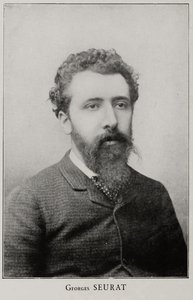
Georges Seurat
b. 1859 · former 5th arrondissement of Paris, France
A pioneer of Pointillism known for A Sunday Afternoon on the Island of La Grande Jatte. Explore his luminous hand-painted reproductions today.
A professional guide for hotel designers and procurement managers on selecting durable, high-quality oil on canvas reproductions. Learn about material longevity, custom multi-panel layouts, and efficient bulk ordering solutions for large-scale hospitality projects.
Professional procurement guide for hotel designers sourcing high-volume, hand-painted oil reproductions of rural realism art. Discover scalable solutions, custom multi-panel layouts, and reliable global logistics for large-scale commercial hospitality projects.
Master the use of Impressionist art in hospitality design. This expert guide for hotel designers explores leveraging light, color, and texture through high-quality, custom oil painting reproductions to elevate professional interior projects.
A professional guide for hotel designers on selecting iconic landscape and En Plein Air artworks. Discover how high-quality oil reproductions, custom multi-panel sets, and large-scale murals can elevate hospitality interiors with ease, reliability, and scale.


 Mastering the Outdoors: A Professional Buyer's Guide to Iconic Landscape and En Plein Air Artworks for Hospitality Design
 En Plein Air: The Evolution of Light and Technique in Impressionist Landscape Painting