A landscape is the visible features of an area of land, its landforms, and how they integrate with natural or human-made features, often considered in terms of their aesthetic appeal. A landscape includes the physical elements of geophysically define...
In the context of large-scale interior design, a landscape is far more than a mere depiction of scenery; it functions as a structural anchor for a room. Whether through the expansive vistas of a mountain range or the rhythmic undulations of a meadow, these works establish a sense of place and depth. The term itself, emerging around the turn of the sixteenth century to denote paintings of natural scenery, has evolved from the Dutch landschap—referring to inland rural views—into a sophisticated tool for defining spatial boundaries in modern hospitality environments.
The history of this definition finds an echo in the works of Leonardo da Vinci. In his Mona Lisa, the landscape is not a secondary feature but a gateway. Through the use of atmospheric perspective, he allows the world to dissolve into a dreamlike realm of winding paths and jagged peaks. This technique demonstrates how a well-executed horizon can expand the perceived dimensions of a space, pulling the viewer's gaze toward an infinite distance. When selecting works for a lobby or a corridor, one must consider how these horizons interact with the physical architecture of the building.
Tactile Topographies: The Impact of Impasto on Surface Texture
A Symphony of Color: The Vibrant World of Alfred Henry Maurer In the annals of American Modernism, few works capture the raw, unbridled energy of the early twentieth century quite like Alfred Henry Maurer’s Fauve Landscape with Rolling Hills . Painte...
For the professional decorator, the physical presence of an artwork is as critical as its color palette. A flat print lacks the architectural weight required for high-end installations. This is where the impasto technique becomes indispensable. By applying thick, gestural layers of oil, artists create a tactile topography that mimics the very earth they depict. The paint is not merely applied; it is sculpted upon the canvas, providing a physical dimension that catches ambient light and prevents the work from appearing two-dimensional under gallery or hotel lighting.
This sculptural approach to paint finds its most energetic expression in Alfred Henry Maurer’s Fauve Landscape with Rolling Hills (1914). In this work, the earth seems to pulse with life through heavy, textured clusters of trees and shrubs. The thick layers of oil create a physical weight that mirrors the hills themselves. This level of texture provides a necessary counterpoint to the smooth surfaces often found in modern hospitality design, such as polished stone or glass, adding a layer of organic complexity to the room's material composition.
Chromatic Atmosphere: Setting Mood through Light and Shadow
Introduction Close your eyes for a moment and imagine the scent of damp earth after a summer rain, or the way the golden light of a setting sun dissolves the sharp edges of a distant forest into a soft, amber haze. To gaze upon a landscape is to do m...
Color serves as the primary driver of emotional response within a space. In landscape painting, the manipulation of light and shadow—the interplay of warm ochres against cool blues—dictates whether a room feels restorative or stimulating. The Impressionist movement revolutionized this by moving away from somber, academic shadows to embrace the fleeting effects of sunlight. By using unblended patches of color, artists can suggest the precise sensation of a bright, sunny day or the heavy, overcast mood of a storm.
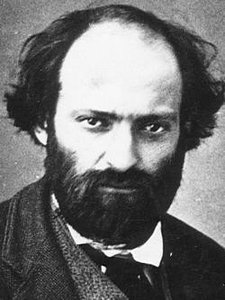
We see this atmospheric mastery in the works of Paul Cézanne, particularly in Rocks at Fontainebleau. Here, light does not merely illuminate; it sculpts. The dialogue between deep purples and sudden, luminous golden patches creates a dynamic luminosity. For a designer, understanding this interplay is vital when matching art to a lighting scheme. A painting with high-contrast shadows can provide a focal point in a dimly lit lounge, while softer, more muted palettes are better suited for spaces requiring a sense of calm and continuity.
Structural Rhythm: Using Undulating Lines to Direct Visual Flow
An Impressionistic Whisper of the English Countryside In this evocative Landscape Study , Sir Alfred James Munnings invites the viewer into a world where the boundaries between earth and sky dissolve into a poetic haze. The painting captures a moment...
The composition of a landscape provides a roadmap for the eye. In large-scale installations, such as staircases or long dining halls, the use of horizontal bands and undulating lines can guide movement through a space. A painting featuring rolling hills creates a rhythmic, repetitive motion that prevents the eye from stagnating. This structural rhythm is essential when trying to unify disparate elements within a large room count, providing a cohesive visual thread that connects different zones of a property.
This sense of rhythmic movement is evident in Sir Alfred James Munnings’s Landscape Study. The work utilizes horizontal bands of landforms to suggest the undulating rhythm of hills under an expansive sky. This flattened perspective prioritizes the emotional weight of the atmosphere over rigid realism, creating a sense of flow that is particularly effective in wide-format installations. By utilizing such compositions, a designer can direct the guest's gaze along a desired path, subtly influencing the navigation of a large-scale environment.
Curating Serenity: The Psychological Weight of Pastoral Scenery
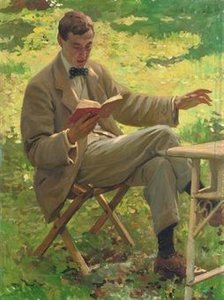
The Enigmatic Landscapes of John Hilling John Hilling remains a somewhat elusive figure in contemporary landscape painting, an artist whose work quietly commands attention through its subtle power and evocative atmosphere. Born in , his artistic jour...
The selection of art for hospitality spaces often hinges on the psychological impact of the subject matter. Pastoral scenery—characterized by farmlands, meadows, and quiet woodlands—offers a sense of stability and peace. These works act as a sanctuary of stillness, providing a necessary reprieve from the frantic pace of modern travel. The presence of human elements, such as a small red barn or a rustic fence, can ground a large, impersonal space with a sense of familiarity and warmth.
This pursuit of serenity is a hallmark of John Hilling’s practice. His canvases are characterized by muted tones and a meditative stillness, seeking to understand the landscape from within. Unlike more dramatic vistas, Hilling's work offers an intimacy that can transform a corporate lounge into a space for reflection. When the goal is to foster a sense of quietude and emotional connection, looking toward these more subdued, pastoral traditions provides the necessary aesthetic foundation.
Scale and Execution: Implementing Large-Format Works in Hospitality
When managing large-scale procurement, the logistics of scale and durability are paramount. For high-traffic areas, the execution of the artwork must be robust. This is why we prioritize hand-painted oil reproductions on 100% cotton canvas over simple prints. The visible brushstrokes and deeper tonal range of an oil painting offer a level of prestige that a digitalprint cannot replicate. Furthermore, for expansive walls or hotel ceilings, we offer large-format murals and frescoes painted on massive canvas rolls, allowing for the recreation of historical grandeur in a modern setting.
The ability to scale these works is demonstrated by the potential for multi-panel layouts. We can split a single landscape across three, four, or five panels to create a cohesive, modern architectural look that spans an entire wall. This "multi-panel" trend allows designers to fill significant voids without the need for a single, prohibitively heavy piece. Whether it is a custom commission or a reproduction from our extensive catalog, our focus remains on providing reliable, high-quality solutions that meet the rigorous demands of professional interior design and global logistics.
At AllPaintingsStore.com, we specialize in supporting the needs of procurement managers and designers through a streamlined, professional service. From digital mockups to ensure color accuracy to our global shipping via DHL and FedEx, we provide the operational reliability required for large-scale art integration.
Discover how elite designers use museum-grade, hand-painted reproductions to create immersive luxury hospitality experiences. Learn the art of integrating historical masterpieces and custom murals to establish prestige, narrative depth, and timeless elegance in high-end hotel interiors.
Master the integration of abstract textures with luxury finishes. Our expert guide for hotel designers explores matching impasto art with premium furniture to create seamless, high-end hospitality interiors through professional procurement and scale management.


 Landscape
 Fauve Landscape with Rolling Hills
 10 Breathtaking Masterpieces That Redefine the Landscape Genre
 Landscape Study
 John Hilling