Defining Romantic Realism: The Intersection of Emotion and Observation
Romantic realism is art that combines elements of both romanticism and realism. The terms "romanticism" and "realism" have been used in varied ways, and are sometimes seen as opposed to one another. == In literature and art == The term has long stand...
To stand before a masterpiece of Romantic Realism is to witness a profound dialogue between the untamed human spirit and the unyielding truths of the physical world. This movement, which emerged as a captivating bridge between two seemingly opposing ideologies, refuses to choose between the heart and the eye. While pure Realism sought to document the world with an almost scientific objectivity, and Romanticism aimed for the sublime heights of imagination, Romantic Realism finds its power in the tension between them. It is an art form where the raw, unvarnable truth of reality meets the cinematic pulse of human emotion, capturing the sweat on a laborer's brow with the same dramatic intensity as a storm breaking over a jagged coastline.
This aesthetic does not merely mirror the external world; it seeks to convey the internal landscapes of those who inhabit it. Through meticulous observation, artists capture the textures of stone, the translucency of petals, and the weight of atmosphere, yet they infuse these details with a palpable emotional charge. The result is a window into a world suspended between dream and reality, where every brushstroke serves to highlight the subjective experience within a tangible, grounded context.
Historical Context: A Reaction to Industrialization and Classicism
 Realism (art movement)
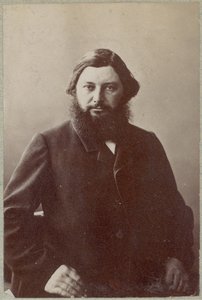
Realism was an artistic movement that emerged in France in the 1840s. Realists rejected Romanticism, which had dominated French literature and art since the early 19th century. The artist Gustave Courbet, the original proponent of Realism, sought to ...
The mid-19th century was an era of intense cultural upheaval, defined by the rapid expansion of industrialization across Europe and a growing fascination with the complexities of the human psyche. As the mechanical pulse of factories began to reshape the landscape, artists felt a profound need to reconnect with the individual soul. Romantic Realism emerged largely as a reaction against both the rigid, idealized perfection of Neoclassicism and the cold, unfeeling progress of the industrial age. It was a movement born from a desire to depict life as it truly was, yet without stripping away the dignity, pathos, and spiritual resonance that define our existence.
In this period of social transformation, artists turned their gaze toward the everyday—the laboring classes, rural poverty, and the intimate nuances of urban life. By rejecting grand, mythological narratives in favor of honest depictions of contemporary people and situations, they created a new language of art. This era was not just about documenting change; it was about finding meaning within it, asserting that even in the face of unprecedented social shifts, there remains an enduring capacity for beauty, grace, and profound connection to the natural world.
Technical Mastery: Capturing Light, Texture, and Atmospheric Depth
 untitled - unknown
A Symphony of Petals and Light In this breathtaking acrylic masterpiece, the viewer is invited into a lush, sensory experience where nature’s most vibrant offerings take center stage. Executed in a masterful Romantic Realism style, the painting prese...
The technical brilliance of Romantic Realism lies in its sophisticated use of color, light, and texture to create a sensory experience that feels almost tactile. A masterfully executed work in this style often employs a dynamic composition—such as the pyramidal structure found in floral arrangements—to guide the viewer’s eye through layers of textured petals and verdant greenery toward a luminous sky. The interplay of light and shadow is essential; artists utilize soft, blended brushwork to capture the ephemeral quality of sunlight filtering through flora or the heavy, visible weight of an approaching storm.
Achieving this level of depth requires an extraordinary command of medium. Whether through the meticulous layering of watercolor washes to achieve luminous effects or the thick, impasto application of oils to create physical texture, the goal is to breathe life into the canvas. A rich, celebratory palette might juxtapose warm crimsons and sunny yellows against cool accents of deep indigo, creating a sense of profound luminosity. This technical precision ensures that the painting feels less like a static image and more like a living window, where the viewer can almost feel the moisture in the air or the warmth of the sun upon a weathered stone ledge.
Key Figures and Movements: From Landscape Visionaries to Portrait Masters
 Francesco Fidanza
Francesco Fidanza: A Romantic Vision of Italian Landscapes Francesco Fidanza (born , ) was an Italian painter whose legacy rests primarily on his evocative landscapes—a genre he embraced with remarkable sensitivity and technical prowess. His artistic...
The legacy of Romantic Realism is etched into the works of several pivotal figures who mastered the art of atmospheric storytelling. In the realm of landscapes, painters like Francesco Fidanza demonstrated remarkable sensitivity, using technical prowess to capture the grandeur of Italian vistas and the ethereal beauty of moonlight illuminating turbulent seas. Similarly, the maritime art of Charles Napier Hemy captured the very soul of the ocean, treating the sea not merely as a setting, and but as a living, breathing protagonist in the drama of naval life.
In portraiture, the movement found expression through the delicate observation of grace and dignity. Artists such as Augustus Jules Bouvier utilized meticulous detail to capture the elegance of the Victorian era, particularly in his portraits of ladies where beauty is intertwined with natural elements. Even in sculpture, the influence of this period was felt, as seen in the works of Louis-Ernest Barrias, who blended Romantic Realism with the emerging sensibilities of Art Nouveau. These artists, each a specialist in their genre, contributed to a collective movement that prioritized the emotional resonance of the subject through the lens of masterful execution.
Integrating Romantic Realism into Modern Architectural Interiors
 View of the West Entrance of Angkor Wat
A Journey Through Timeless Grandeur In this breathtaking acrylic masterpiece, the viewer is transported to a realm where history and nature exist in a profound, symbiotic embrace. The painting captures the majestic essence of an ancient temple comple...
For the modern professional—whether designing a luxury hotel, a corporate headquarters, or a high-end restaurant—Romantic Realist works offer an unparalleled ability to command attention and evoke atmosphere. The movement’s inherent depth and scale make it ideal for large-format applications, such as multi-panel group sets that span wide walls or staircases, creating a cohesive and modern architectural look. These pieces serve as transformative focal points that radiate warmth and elegance, capable of turning a standard room into a curated gallery space.
The versatility of this style allows it to complement both classical and contemporary interior aesthetics. Because the subject matter often explores themes of nostalgia, peace, and the beauty of the natural world, these artworks can ground a modern space with a sense of history and permanence. Furthermore, the ability to utilize large-scale murals or ceiling frescoes inspired by this era allows designers to recreate historical grandeur, such as the intricate textures of a Renaissance ceiling, within any contemporary structure.
The Art of Curation: Selecting Timeless Masterpieces for Professional Spaces
 10 Iconic Masterpieces That Defined Romantic Realism
Introduction Imagine stepping into a quiet, sun-drenched gallery where the air seems to hold its breath, suspended between the profound depths of human emotion and the unyielding truth of the physical world. This is the essence of Romantic Realism , ...
Curating art for large-scale projects requires a balance of aesthetic vision and operational reliability. When selecting works for hospitality or corporate environments, the focus should be on pieces that offer both visual impact and long-term durability. The depth achieved through oil layering provides a tactile quality that resists the flatness of modern prints, ensuring that the artwork remains a vibrant part of the environment for decades. For professionals managing large-volume orders, the ability to source high-quality reproductions that maintain the "Master" level of brushwork is essential.
A successful curation strategy involves looking beyond simple decoration to find art that speaks to the brand's identity. Whether it is a maritime scene for a coastal resort or a lush floral arrangement for a boutique hotel, the selection should aim to stir emotions and create lasting memories for guests. By choosing works that embody the profound dialogue between reality and emotion, curators can provide an immersive experience that elevates the entire architectural environment, turning a physical space into a destination of cultural significance.