Watercolor (American English) or watercolour (Commonwealth English; see spelling differences), also aquarelle (French: [akwaʁɛl]; from Italian diminutive of Latin aqua 'water'), is a painting method in which the paints are made of pigments suspended ...
To understand watercolor, one must first look past the color itself and observe how light travels through it. Unlike oil painting, where pigment sits heavily upon a surface, watercolor relies on a suspension of particles within a water-based solution. When you apply a wash to paper, the gum binder is absorbed into the fibers, leaving a top layer of dispersed pigment that allows light to pass through, hit the white paper underneath, and bounce back to your eye. This creates a natural shimmer that no other medium can replicate.
This physical property finds its most precise historical expression in the works of Albrecht Dürer. In his 1502 study, Young Hare, he utilized delicate washes over meticulous pen-and-ink linework. He did not simply coat the animal in color; he used the transparency of the medium to suggest the soft glint in an eye and the subtle warmth of fur. By controlling the concentration of pigment, Dür and modern practitioners alike can dictate whether a stroke appears as a ghostly tint or a concentrated, saturated mark.
Understanding this relationship is the first step for any student. The quality of your paint—specifically the concentration of pigment—determines how much water you can add before the color becomes dull or muddy. Professional-grade paints allow for significant dilution while maintaining their structural integrity, a necessity when trying to capture the clarity found in the great masters' works.
Mastering Moisture: The Balance of Wet-on-Wet and Wet-on-Dry
A Serene Bahamian Escape Immerse yourself in the tranquil beauty of this captivating watercolor painting by Winslow Homer. Created in 1898 during his second visit to Nassau, Bahamas, "A Wall, Nassau" is a masterful blend of architectural simplicity a...
The true character of watercolor is defined by the tension between control and chaos. This is most evident in the choice between wet-on-wet and wet-on-dry techniques. The wet-on-wet method involves applying pigment to a paper surface that has already been dampened with clean water. This allows colors to bleed, bloom, and merge into soft, atmospheric gradients. It is an unpredictable dance where the artist must learn to guide the water rather than force it.
In contrast, the wet-on-dry technique offers the precision required for sharp edges and fine details. When the paper is dry, the pigment stays exactly where the brush places it, allowing for the creation of defined shapes and structural elements. This duality is what allows a single painting to contain both a misty, distant horizon and a crisp, foregrounded subject.
We see this balance perfectly executed in Winslow Homer’s 1898 work, A Wall, Nassau. Homer utilizes fluid, loose brushstrokes to capture the lushness of Bahamian foliage, yet he maintains enough control over his edges to define the textured beige wall and the white-framed doorway. He moves between these two states of moisture to create a scene that feels both spontaneous and structurally sound. For those learning the medium, mastering this "yin and yang" of water management is the most significant turning point in developing technical proficiency.
The Importance of Support: How Paper Texture Affects Visual Depth
Watercolor paper (or watercolour paper) is paper or substrate onto which an artist applies watercolor paints, pigments, or dyes. Many types of paper are manufactured specifically for watercolour painting. The paper may be made of wood pulp exclusivel...
A watercolor painting is as much about the paper as it is about the paint. The substrate acts as the foundation for every light-filled layer you apply. Because we are working with a liquid medium, the paper must be able to withstand repeated wetting and drying without warping or disintegrating. This is why the choice of paper—specifically its weight and texture—is the most critical investment an artist can make.
Paper textures are generally categorized into hot-pressed, which is smooth and ideal for fine detail, and cold-pressed, which possesses a more pronounced grain. A rougher texture provides "tooth," catching the pigment in its valleys to create organic, broken effects. This physical landscape of the paper determines how much light is trapped within the stroke.
This interaction between surface and pigment is evident in the way contemporary artists like Jill Christine Ibrom approach landscapes. By utilizing the textures of high-quality cotton paper, she can achieve subtle tonal variations and atmospheric effects that mirror the English countryside. The paper does not merely hold the paint; it participates in the creation of the texture, providing a structural depth that complements the delicate floral or landscape compositions.
Building Luminosity: The Art of Glazing and Layered Washes
The Transformation of the Gare d’Orsay The structure on the banks of the Seine began its life not as a sanctuary for paint and sculpture, but as a bustling terminal for the Chemin de Fer de Paris à Orléans. Built between 1898 and 1900 for the Exposit...
Luminosity in watercolor is achieved through accumulation rather than application. Because the medium is transparent, an artist can build depth by laying thin, translucent layers—known as glazes—over dried washes. Each new layer of color acts like a pane of colored glass, filtering the light that passes through it and interacting with the colors beneath.
The process requires immense patience. One must allow each wash to dry completely before applying the next; otherwise, the wet layers will mix, potentially resulting in muddy, opaque patches. When done correctly, these layers create a complex, vibrating color field that possesses a much greater tonal range than a single, thick application of paint could ever achieve.
This technique of building light is a hallmark of the great Impressionists and Post-Impressionists. In the galleries of institutions like the Musée d'Orsay or The Barnes Foundation, one can observe how artists used these layered approaches to capture the shifting qualities of light. By layering subtle blues over warm ochres, they could simulate the complex shadows found in a sunlit landscape, creating a sense of atmosphere that feels alive and breathing.
Creating Tactile Detail: The Role of Dry Brush and Texture
Explore minor White’s ‘Frost Forms Sound of One Hand,’ a captivating 1959 watercolor abstract landscape. Dynamic lines & textures evoke raw emotion in this unique piece.
While much of watercolor is about softness and flow, there is a vital role for the "dry" end of the spectrum. The dry brush technique involves using a brush with very little moisture and a high concentration of pigment, dragging it across the textured surface of the paper. This allows the raised grains of the paper to remain untouched by paint, creating tiny, broken lines of white that suggest texture, such as the rough bark of a tree or the coarse fur of an animal.
This technique provides the necessary counterpoint to soft washes. Without these sharp, tactile interruptions, a painting can become overly "blurry" or lacking in definition. It is the tool used to bring focus and clarity to the most important parts of a composition.
We see this mastery of texture in the more experimental works of the medium, such as the abstract landscapes of Minor White. In pieces like Frost Forms Sound of One Hand, the use of texture and line creates an emotional intensity that transcends simple representation. By manipulating the amount of water on the brush, the artist can move from a liquid, ethereal state to a rugged, physical one, proving that watercolor is capable of immense strength and structural impact.
At AllPaintingsStore.com, we understand that whether you are looking for a custom reproduction of a classic like Homer or a large-scale mural for a hotel project, the quality of the technique is paramount. Our artists use these very principles—layering, glazing, and texture—to ensure every hand-painted piece meets museum standards. For more information on our professional services, including custom commissions and bulk orders for designers, please visit AllPaintingsStore.com.
Elevate your home with an expert guide to Impressionist collecting. Discover the beauty of hand-painted oils, from Monet's light to Van Gogh's soul, and learn how to curate a timeless collection of museum-quality masterpieces and bespoke custom portraits.
Discover the ethereal mastery of watercolor. Explore expert insights into light, fluidity, and historical techniques used by masters to create luminous, translucent landscapes and delicate floral compositions for the discerning art collector.
Immerse yourself in the raw power of American Realism with our curated guide to the top 25 Winslow Homer artworks. From dramatic seascapes to iconic landscapes, explore the stories behind these timeless masterpieces and find museum-quality reproductions on AllPaintingsStore.com.
Explore the profound history and technical mastery of watercolor painting. From medieval manuscripts to the luminous works of John Singer Sargent, discover how artists capture light and transparency through this delicate, enduring medium.


 Watercolor painting
 A Wall, Nassau
 Watercolor paper
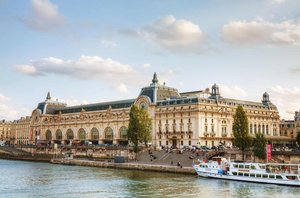 Musée d'Orsay
 Frost Forms Sound of One Hand


