Fairfield Porter (1907–1975): Bridging Realism and Impression
Fairfield Porter (June 10, 1907 – September 18, 1975) was an American painter and art critic who profoundly shaped the landscape of postwar American art. Born to James Porter, an architect, and Ruth Furness Porter, a poet steeped in literary tradition, Porter’s artistic journey began at Harvard University where he honed his skills with Arthur Pope and Alfred North Whitehead. This formative influence would later permeate his distinctive style—a masterful blend of observation and expressive brushwork that cemented his place as one of the foremost practitioners of representational painting during the Abstract Expressionist era. He championed a humanist vision, prioritizing daily life and capturing its subtle beauty alongside intellectual engagement.- Early Life & Education: Porter’s upbringing instilled in him a deep appreciation for both art and literature. His father's profession provided exposure to architectural principles, while his mother’s poetic sensibilities nurtured an understanding of nuanced emotion and lyrical prose. Harvard’s Fine Arts program solidified his artistic foundation, equipping him with technical skills alongside intellectual curiosity.
- Move to New York City & Artistic Influences: In 1928, Porter relocated to New York City, immersing himself in the burgeoning artistic milieu of the Jazz Age and establishing connections with influential figures like Willem de Kooning and Thomas Hart Benton. These encounters profoundly impacted his artistic sensibilities, fostering a fascination with gesture and spontaneity—characteristics that would become hallmarks of his oeuvre.
- The Art Students’ League & Bonnard's Legacy: His studies at the Art Students’ League under Boardman Robinson were instrumental in shaping Porter’s commitment to socially relevant art. Notably, he drew inspiration from Pierre Bonnard, whose muted palettes and flattened perspectives served as a cornerstone of Porter’s artistic vocabulary. As John Ashbery eloquently stated, “Porter tended to prefer the late woolly Vuillards to the early ones everyone likes,” reflecting Bonnard's enduring influence on his visual language.
A Painter's Vision: Realism Revisited
Despite the dominance of Abstract Expressionism in the postwar years, Porter steadfastly adhered to a representational style—a deliberate choice that underscored his conviction about the importance of authentic experience as subject matter. He famously declared, “When I paint, I think that what would satisfy me is to express what Bonnard said Renoir told him: ‘make everything more beautiful.’” This sentiment encapsulates Porter’s artistic philosophy and distinguishes him from many of his contemporaries who embraced radical abstraction.
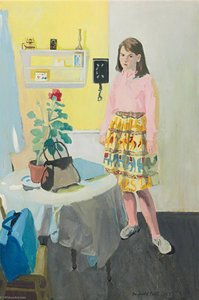
- Landscape Art & Domestic Interiors: Porter's paintings predominantly depicted landscapes—often serene scenes of Maine’s Great Spruce Head Island—and intimate domestic interiors bathed in soft light. These subjects resonated with Ashbery’s observation about capturing “the underlying formal relationships,” demonstrating Porter’s meticulous attention to detail and his ability to convey profound emotion through subtle visual cues.
- The Influence of Vuillard & Impressionistic Technique: Like Bonnard, Porter embraced Vuillard's technique—characterized by flattened perspectives and muted colors—to achieve a luminous realism that transcended mere imitation. This stylistic approach mirrored Ashbery’s assertion about “making everything more beautiful,” reflecting Porter’s artistic ambition to elevate everyday life through evocative imagery.
Notable Works & Recognition
Porter's artistic legacy extends beyond his paintings; he was also a respected art critic whose writings championed the next generation of realist painters. His contributions to *ArtNews* and his role as an editor for *The Nation* solidified his reputation as a thoughtful voice within the American cultural landscape.
- “The Pear Tree” & “The Edge in the Morning”: These canvases exemplify Porter’s masterful use of color and light to convey mood and atmosphere. They demonstrate his ability to capture the essence of a particular moment—a quiet observation of nature or a glimpse into domestic tranquility—with remarkable sensitivity.
- “Brooklyn Bridge Plaza” & Collaborations: His depiction of Brooklyn Bridge Plaza captures the solitude and beauty of urban life, reflecting Porter’s fascination with capturing “the underlying formal relationships.” Furthermore, his collaborative projects with fellow artists like James Schuyler underscored his commitment to fostering artistic dialogue and promoting humanist values.
Legacy & Enduring Influence
Fairfield Porter bequeathed approximately 250 of his paintings to the Parrish Art Museum, ensuring that his work would continue to inspire future generations of artists and viewers alike. His unwavering dedication to realism—combined with his profound understanding of artistic technique—established him as a pivotal figure in American art history.