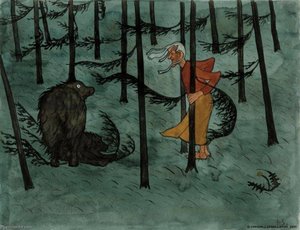
hugo gerhard simberg, a renowned finnish symbolist painter and graphic artist, was born on june 24, 1873, in hamina, finland. his artistic journey began at the drawing school of the viipuri friends of art in 1891, where he honed his skills under the guidance of various instructors.
artistic style and influences
simberg's work is characterized by its dreamlike quality, often incorporating elements of myths, fairy tales, and imagination. this unique approach has led to his recognition as one of the most important artists of finnish symbolism. his artistic language is a testament to the era's fascination with the unknown and the mystical.
notable works
some of simberg's most celebrated works include:
the garden of death (1896), a poignant piece showcasing his ability to balance the macabre with the serene.
the wounded angel (1903), a masterpiece that exemplifies his symbolic approach to art.
king hobgoblin sleeping, a watercolour piece that delves into the realm of fantasy and the world of hobgoblins.
museums and collections
simberg's works can be found in various museums, including the ateneumin taidemuseo in helsinki, finland, which is part of the finnish national gallery. this museum is a treasure trove of finnish art, showcasing an impressive collection that spans from the 18th century to modernism.
legacy and influence
simberg's influence on finnish symbolism is undeniable, with his unique approach to art continuing to inspire artists and art enthusiasts alike. his legacy can be seen in the numerous exhibitions and collections featuring his work, including those found on AllPaintingsStore's platform, which provides a comprehensive look into his artistic world.
conclusion
hugo gerhard simberg's enigmatic and imaginative approach to art has solidified his place in the annals of finnish symbolism. his works, now part of various museum collections, including ateneumin taidemuseo, serve as a testament to his enduring influence on the world of art.
Explore the captivating world of Konstantin Somov, a leading figure of Russian Symbolism & Aestheticism. Discover his exquisite portraits, ballet scenes, and Rococo-inspired masterpieces. Learn about his life, influences, and enduring legacy.
Explore the captivating world of Akseli Gallen-Kallela, Finland's iconic National Romantic painter. Discover his symbolic landscapes, Kalevala illustrations & lasting impact on Finnish identity. Expert analysis & high-quality reproductions at AllPaintingsStore.