

A Sanctuary of Modern Vision: The Soul of Kunst Museum Winterthur
Nestled within the tranquil, picturesque landscape of Winterthur, Switzerland, the Kunst Museum Winterthur stands as much more than a mere repository for aged canvases; it is a living, breathing chronicle of the human impulse to innovate. Since its courageous inception in 1915 as Kunstverein Winterthur, the institution has functioned as a daring pioneer, intentionally seeking to disrupt the status quo by introducing the radical aesthetics of Impressionism and Post-Impressionism to the Swiss cultural consciousness. To walk through its halls is to witness a century-long dialogue between tradition and rebellion, where the museum’s very foundation was built upon the audacity to embrace the new.
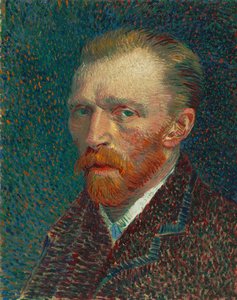
The museum’s historical narrative is anchored by an extraordinary lineage of masters whose works serve as the heartbeat of the collection. One cannot contemplate its significance without reflecting on the early acquisitions that defined its reputation for groundbreaking vision, such as Claude Monet’s evocative Low Tide and Vincent van Gogh’s vibrant Dandelions. These seminal works laid the groundwork for a collection that would eventually expand into the fractured, revolutionary geometries of Cubism. As visitors navigate the galleries, they encounter the transformative power of Picasso, Mondrian, and Gris, whose fragmented forms redefined visual perception and shattered established stylistic norms. This journey through modernism is further enriched by the industrial, rhythmic abstractions of Fernand Léger, whose work captures the pulse of a burgeoning technological era.
The museum’s artistic tapestry extends far beyond the two-dimensional plane, offering a profound sculptural dialogue that bridges eras. The emotive, powerful presence of Eugène Delacroix finds its counterpart in the haunting, minimalist silhouettes of Alberto Giacometti, creating a tension between romanticism and existentialist reduction. This reverence for the masters is seamlessly woven into a contemporary discourse, as the museum continues to champion the voices of today. Through the inclusion of artists such as Mark Tobey, Ellsworth Kelly, Brice Marden, Andro Wekua, and Pia Fries, Kunst Museum Winterthur ensures that its halls remain a vital site for the exploration of 21st-century artistic boundaries, making it an essential destination for collectors and designers seeking inspiration from the cutting edge of creativity.
Architecturally, the museum experience is a masterclass in harmonious evolution. The institution is distributed across three distinct architectural identities—Beim Stadthaus, Reinhart am Stadtgarten, and Villa Flora—each offering a unique spatial temperament. The original 1915 structure by Rittmeyer & Furrer retains a sense of classical elegance, while the 1995 expansion by Gigon/Guyer introduces a sophisticated contemporary design that honors the museum’s heritage through seamless integration. This architectural interplay is further deepened by the unexpected proximity to Winterthur’s natural history museum, creating a stimulating ecosystem where art and science coexist. For the discerning visitor, this blend of historical grandeur and modern innovation provides a holistic sanctuary where the legacy of the past and the energy of the future meet in perfect equilibrium.