A Window into Austrian Modernism: The Lentos Art Museum
Situated along the banks of the Danube in Linz, the Lentos Art Museum stands as a breathtaking sculptural masterpiece that blurs the line between architecture and art. Designed by the renowned Zurich-based firm Weber & Hofer, the museum is an ethereal presence on the skyline, characterized by its sweeping, transparent glass façade. This architectural marvel does more than merely house treasures; it invites the outside world in, allowing natural light to flood the galleries and creating a luminous atmosphere that shifts with the passing hours. As visitors approach the building, nestled between the Nibelungen Bridge and the Bruckhaus, they are met with a structure that feels less like a static monument and more like a living, breathing entity reflecting the river's movement and the sky's ever-changing moods.
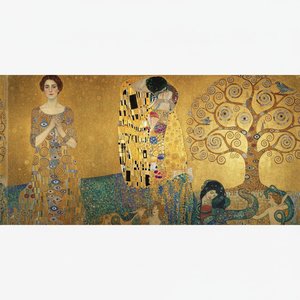
The soul of Lentos, however, resides within its profound historical narrative and its extraordinary collection. The museum’s genesis is deeply intertwined with the legacy of Wolfgang Gurlitt, whose remarkable estate provided a cornerstone for what would become one of Europe's most significant repositories of modernism. This collection serves as a vital chronicle of the twentieth century, tracing the turbulent yet brilliant evolution of artistic thought. Within its walls, one encounters the delicate, gilded intensity of Gustav Klimt and the raw, existential psychological depth of Eilish Schiele. The museum’s holdings are not merely aesthetic objects but historical witnesses, representing the rise of German Expressionism, the sharp clarity of New Objectivity, and the vibrant, consumer-driven energy of Pop Art through iconic works by Andy Warhol.
What truly distinguishes Lentos from other contemporary institutions is its courageous engagement with the complexities of art history. The museum does not shy away from the shadows of the past; instead, it has become a leading voice in the ethical discourse surrounding provenance and restitution. Through meticulous research, Lentos has navigated the difficult journey of identifying and returning significant works that were looted during the Nazi era, thereby transforming the museum into a site of reconciliation and historical truth. This commitment to integrity adds a layer of profound emotional weight to every viewing, as collectors and enthusiasts alike realize they are standing before works that have survived the most tumultuous chapters of human history.
Beyond its permanent treasures, Lentos continues to pulse with contemporary relevance through a dynamic program of exhibitions that bridge the gap between eras. From exploring the transformative influence of photography via masters like Man Ray and Alexander Rodtchenko to celebrating the avant-garde provocations of artists such as VALIE EXPORT, the museum remains a vital laboratory for cultural dialogue. For the interior designer seeking inspiration or the art lover searching for depth, Lentos offers more than a gallery visit; it offers an immersive journey through the light, shadow, and enduring spirit of Austrian and international modernism.