

A Sanctuary of Spirit: The Soul of Toledo
To step into the Museo de El Greco is to leave the bustling streets of modern Toledo behind and enter a realm where the boundaries between the earthly and the divine begin to dissolve. Nestled within the labyrinthine heart of the historic Jewish Quarter, this museum is far more than a mere repository for canvases; it is a curated experience designed to evoke the very atmosphere in which Domenikos Theotokopoulos , known universally as El Greco, breathed life into his masterpieces. The architecture serves as a profound prologue to the art within, spanning two distinct structures that whisper tales of the 16th century. One building, a meticulously restored period house, offers an intimate glimpse into the domestic reality of the Spanish Golden Age. As visitors wander through sun-drenched courtyards adorned with exquisite Talavera pottery, they are transported into a reconstructed world that mirrors the artist's own environment, grounding his ethereal visions in the tangible textures of historical Spain.
The Luminous Vision of a Master
The true heartbeat of the museum lies in its unparalleled collection, most notably the monumental Apostolado . This breathtaking series of thirteen paintings, depicting Christ and his twelve disciples, represents the zenith of El Greco’s mature style. Here, the viewer encounters the artist's revolutionary use of elongated figures and a palette that seems to vibrate with spiritual fervor. Each apostle is rendered with an arresting psychological depth; their expressive gestures and intense gazes create a dynamic visual rhythm that pulls the observer into a state of quiet contemplation. For the art lover or the collector, these works offer a masterclass in how light and form can be manipulated to convey profound emotional and religious yearning, making each canvas feel less like a static image and more like a living, breathing presence.
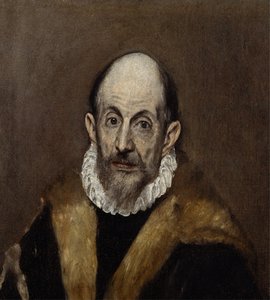
Beyond the spiritual intensity of the Apostolado , the museum offers a broader window into the artistic landscape of the 17th century. The collection gracefully weaves together El Greco’s most iconic works with significant pieces by his contemporaries, providing a holistic view of the Spanish Renaissance and Baroque transitions. One might find themselves captivated by the subtle nuance of the Portrait of Giacomo Bosio , where the artist demonstrates a remarkable sensitivity to human dignity and character. This curated dialogue between masters allows interior designers and enthusiasts alike to appreciate how El Greco’s pioneering experimentation with color and form laid the groundwork for future generations of European painting.
A Legacy Preserved
What truly distinguishes the Museo de El Greco is its origin as a labor of love and preservation. The institution was born from an urgent necessity to revive the legacy of a genius whose work had been momentarily obscured by time. Today, the museum stands as a pilgrimage site for those seeking to understand the intersection of history, faith, and artistic innovation. It is a place where the shadows of Toledo’s past meet the luminous brilliance of El Greco’s brushstrokes, offering an immersive journey that remains as vital and transformative today as it was four centuries ago.