Money-Back Guarantee · 30 days Free Worldwide Delivery
446,261artworks 30,640artists 4,753museums 32languages
Country
Currency
Language
Atelier · Est. 2015 · Paris, France
AllPaintingsStore
allpaintingsstore.com
Account Wishlist Cart

Museum for German and Austrian Art and Private Collection

Quick Facts

  • Historical periods: modern
  • Works on APS: 1
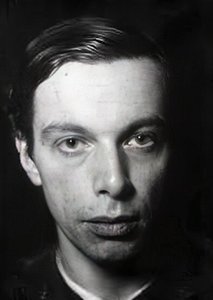
  • Featured artists: Ernst Ludwig Kirchner
  • Location: New York City, United States of America
  • More…
  • Mediums: acrylic on canvas
  • Alternate names:
    • Neue Galerie New York
    • Neue Galerie
    • New Gallery New York
    • New Gallery
  • Movements: expressionism
  • Art types: wallart

Art Quiz

There is only one correct answer for each question.

Question 1:
The Neue Galerie New York primarily focuses on art from which two countries?
Question 2:
Who was the Neue Galerie New York established by as a tribute to Serge Sabarsky?
Question 3:
Which iconic artwork by Gustav Klimt is a highlight of the Neue Galerie's Austrian collection?
Question 4:
What architectural style is the building housing the Neue Galerie originally designed in?
Question 5:
Which art movement is prominently represented in the Neue Galerie's German collection, known for its raw emotion and bold aesthetics?
Question 6:
Besides art viewing, what unique experience does the Neue Galerie offer inspired by Viennese culture?
Question 7:
The Bauhaus movement, showcased at the Neue Galerie, was revolutionary in its approach to what?
Question 8:
What is the name of the second Viennese-style café at the Neue Galerie?
Question 9:
Which of these artists is associated with the 'Der Blaue Reiter' (The Blue Rider) movement featured in the German collection?
Question 10:
What was Serge Sabarsky's profession before the founding of Neue Galerie?

A Sanctuary of Modernity: Discovering the Neue Galerie New York

The early twentieth century was a crucible of artistic innovation, a period where tradition fractured and new modes of expression surged forth. In the heart of New York City, the Neue Galerie stands as a luminous portal to this transformative era, specifically dedicated to German and Austrian art—a testament to the vision of two passionate collectors, Serge Sabarsky and Ronald S. Lauder. Housed within the elegantly renovated William Starr Miller House on Fifth Avenue, the museum isn’t merely a repository for masterpieces; it's an immersive experience that transports visitors to the Vienna coffee houses and artistic circles of a bygone age. The building itself, designed in a refined Louis XIII/Beaux-Arts style and thoughtfully reimagined by Selldorf Architects, provides a stunning backdrop—a harmonious blend of historical grandeur and modern sensibility—for the revolutionary works within.

Echoes of Vienna and Berlin

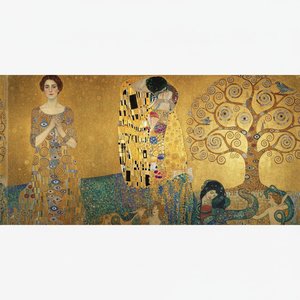
The Neue Galerie’s collection is thoughtfully divided, allowing for a focused exploration of Austrian and German artistic currents. Within the Austrian galleries, one encounters the shimmering world of Gustav Klimt, most notably through his iconic *Adele Bloch-Bauer I*. This portrait, with its opulent gold leaf and intricate patterns, embodies the Secessionist movement’s rejection of academic art in favor of decorative richness and psychological depth. Beyond Klimt, works by Oskar Kokoschka and Egon Schiele reveal a more emotionally charged side of Austrian Expressionism—raw portraits that delve into the complexities of human experience with unflinching honesty. Moving into the German collection, visitors are introduced to the groundbreaking movements of Der Blaue Reiter (The Blue Rider) and Die Brücke (The Bridge). Here, the canvases of Wassily Kandinsky pulse with abstract energy, while those of Ernst Ludwig Kirchner and Otto Dix capture the anxieties and disillusionment of a rapidly changing world. The influence of Bauhaus design is also prominently featured, showcasing its revolutionary approach to form and function—a philosophy that continues to resonate in contemporary art and architecture.

A Legacy Forged in Passion

The story of the Neue Galerie is as compelling as the art it houses. It began with the shared enthusiasm of Serge Sabarsky, a renowned art dealer who dedicated his life to championing Austrian Expressionism, and Ronald S. Lauder, a philanthropist driven by a deep appreciation for German and Austrian artistic heritage. After Sabarsky’s passing in 1996, Lauder carried forward their collective dream, establishing the Neue Galerie as a lasting tribute to his friend and a vital cultural institution. This personal connection imbues the museum with an intimate atmosphere—a sense that these works were not simply acquired for display but cherished as expressions of profound artistic vision. The museum’s commitment extends beyond painting; it actively showcases decorative arts from the Wiener Werkstätte (Vienna Workshop), offering a glimpse into the holistic aesthetic environment cultivated in early twentieth-century Vienna, where art permeated every aspect of life.

More Than Just Art: An Immersive Experience

The Neue Galerie distinguishes itself not only through its exceptional collection but also through its dedication to creating a complete cultural experience. Visitors can step back in time at Café Sabarsky, inspired by the legendary Viennese coffee houses that served as hubs for intellectual and artistic exchange. Here, amidst period décor and the aroma of freshly baked pastries, one can savor traditional Austrian cuisine while contemplating the masterpieces viewed just moments before. A more casual dining option is available at Café Fledermaus, and a thoughtfully curated design shop offers books, prints, and unique gifts—allowing visitors to take a piece of the Neue Galerie’s world home with them. This holistic approach transforms a museum visit into an enriching journey for all the senses, solidifying the Neue Galerie's position as a true gem within New York City’s vibrant cultural landscape.

A Continuing Dialogue

The Neue Galerie continues to evolve through its dynamic exhibition programming, often exploring lesser-known facets of German and Austrian art or drawing connections between these movements and contemporary artistic practices. Recent exhibitions have delved into the complexities of German Masterworks, offering fresh perspectives on familiar works and introducing new discoveries to audiences. The museum’s commitment to scholarship and public engagement ensures that it remains a vital center for research and appreciation—a place where the echoes of the past continue to resonate in the present, inspiring future generations of artists and art lovers alike.