
Museum of Applied Arts, Vienna - A Beacon of Applied Art
The Museum of Applied Arts – affectionately known as the MAK – stands not merely as a repository of objects, but as a vibrant testament to the enduring interplay between art, design, and daily life. Founded in 1863 by Emperor Franz Joseph I, inspired by London's then-new South Kensington Museum (now the Victoria & Albert Museum), its origins were rooted in a desire to elevate craftsmanship and foster innovation within Austria’s artistic landscape. This was a revolutionary concept: a space dedicated not solely to ‘high art,’ but to the beauty and ingenuity inherent in functional objects, intended for the education of artists, industrialists, and the public alike.
Location & Architecture
Nestled along Vienna’s grand Ringstraße, the Museum of Applied Arts – affectionately known as the MAK – stands not merely as a repository of objects, but as a vibrant testament to the enduring interplay between art, design, and daily life. Founded in 1863 by Emperor Franz Joseph I, inspired by London's then-new South Kensington Museum (now the Victoria & Albert Museum), its origins were rooted in a desire to elevate craftsmanship and foster innovation within Austria’s artistic landscape. This was a revolutionary concept: a space dedicated not solely to ‘high art,’ but to the beauty and ingenuity inherent in functional objects, intended for the education of artists, industrialists, and the public alike.
Located at Stubenring 5, Vienna’s 1st district, the MAK is easily accessible via Stadtbahn Line 3 and Landstraße U-Bahn station. Its magnificent building, completed in 1871 and designed by Heinrich von Ferstel, exemplifies historic Viennese architecture—a harmonious blend of classical elegance and modern functionality that continues to inspire awe.
A Kaleidoscope of Creativity: Collection Highlights
The MAK’s collection, boasting over 300,000 objects, is breathtaking in its scope and diversity. It's not merely a chronological display; rather, it presents a dynamic dialogue between historical craftsmanship and contemporary innovation. One can trace the evolution of furniture styles, marvel at the intricacies of metalwork, or contemplate the changing aesthetics of ceramics. A particular strength lies in its architectural holdings, featuring detailed models and drawings that reveal the creative processes behind some of Vienna’s most iconic structures.
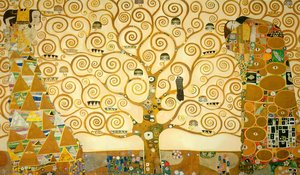
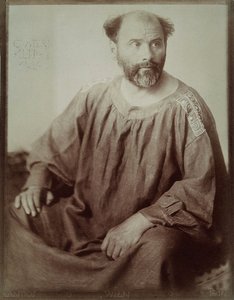
Notable pieces include fragments of Gustav Klimt’s monumental Beethoven Frieze, Anton Kolig’s evocative porcelain creations, Valerie Wieselthier’s delicate ceramics, Balthasar Wigand’s miniature portraits and intricate miniatures, and James Turrell’s *MAKlite*, a permanent outdoor light installation illuminating the building’s façade since 2004. These works demonstrate the MAK's commitment to showcasing both artistic heritage and innovative contemporary art.
Pioneering a Digital Future
The MAK isn’t content to simply preserve the past; it actively embraces the future. This forward-thinking approach is perhaps most evident in its pioneering use of technology. In 2015, the museum became the first in the world to acquire art using Bitcoin—purchasing “Event listeners” by Harm van den Dorpel—a bold statement about the evolving relationship between art and cryptocurrency.
Furthermore, the MAK boasts the largest online collection within Austria’s federal museums, making its vast holdings accessible to a global audience through an intuitive and comprehensive digital platform. Adding to this innovative spirit is James Turrell’s *MAKlite*, a permanent outdoor light installation illuminating the building’s façade since 2004, transforming it into a captivating beacon of artistic energy after dark.
A Legacy of Innovation and Inspiration
Throughout its history, the MAK has played a pivotal role in promoting arts and crafts through publications, educational programs, and acquisitions. It is a place where tradition meets modernity, where historical context informs contemporary practice, and where visitors are encouraged to engage with art on a deeply personal level.