A Tapestry of Time: The Soul of Nuremberg’s Municipal Museums
To wander through the Nuremberg Municipal Museums is to embark on a profound pilgrimage through the very heartbeat of German history, where every cobblestone and gallery wall whispers tales of Renaissance brilliance and the sobering echoes of the twentieth century. This expansive network of institutions does not merely display artifacts; it orchestrates an immersive dialogue between the triumphs of human creativity and the heavy shadows of our collective past. From the meticulously preserved workshops of the Northern Renaissance to the stark, architectural reminders of international justice, the collection offers a multifaceted portrait of a city that has served as both a cradle of European culture and a stage for history’s most transformative—and tragic—moments.
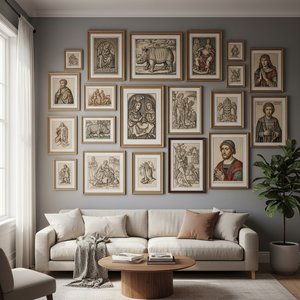
The luminous center of this cultural constellation lies within Albrecht Dürer's House , a sanctuary where the spirit of Germany’s greatest Renaissance master remains palpably alive. Stepping into this historic residence is akin to entering the artist's own mind; the architecture itself, with its steep gables and timber-framed elegance, provides a stage for the display of his unparalleled prints and drawings. Here, visitors can witness the precision of his technique within a recreated workshop, feeling the same creative tension that fueled his legendary mastery of line and light.
From Whimsical Play to the Weight of History
The museum network offers a captivating duality, balancing the lightness of childhood with the gravity of global consequence. The Nuremberg Toy Museum , or the Lydia Bayer Museum, provides a whimsical yet deeply sociological journey through the evolution of play. With an astonishing collection of eighty- seven thousand objects , ranging from delicate antique dollhouses to mechanical marvels, it reveals how the toys of children serve as mirrors to the technological progress and social values of their respective eras.
Yet, the Nuremberg Municipal Museums possess a rare and courageous depth, refusing to look away from the darker complexities of the modern age. The Memorium Nuremberg Trials , housed within the imposing Palace of Justice, stands as a monumental site of accountability. The very halls where the world watched the pursuit of international law unfold after World War II now serve as a poignant space for reflection on responsibility and reconciliation. This gravity is matched by the Documentation Centre Nazi Party Rally Grounds , an essential institution that dismantles historical myths through rigorous scholarship and immersive displays. Together, these sites challenge the visitor to engage with the fragility of democracy and the chilling mechanics of extremism.
The Vibrant Pulse of Urban Evolution
Beyond the weight of history, the museum network celebrates the vibrant pulse of Nuremberg’s industrial and social evolution. The Museum of Industrial Culture and the German Games Archive offer a captivating look at the ingenuity and leisure that define urban life, showcasing how innovation in manufacturing and the simple joy of play have shaped the city's economic and social landscape.
For those seeking to understand the intimate rhythms of daily existence, other key sites provide a window into the domestic lives and artistic tastes of Nuremberg’s citizens across the centuries:
- City Museum at Fembo House: A glimpse into the domesticity and social hierarchies of the past.
- Tucher Mansion: An exploration of aristocratic life and historical grandeur.
It is this seamless blend of high art, industrial heritage, and profound historical remembrance that makes the Nuremberg Municipal Museums an indispensable destination for any true lover of culture, offering a complete and unvarnished legacy preserved for the modern world.