A Jewel of Dutch Baroque: The Living Grandeur of the Royal Palace Amsterdam
Standing with an imposing and refined grace upon the historic Dam Square, the Royal Palace Amsterdam is far more than a mere monument of brick and mortar; it is a breathing chronicle of the Dutch Golden Age. Originally conceived in 1656 as the Amsterdam City Hall, this architectural marvel was designed by the legendary Jacob van Campen to serve as a testament to the civic pride and burgeoning wealth of a nation at its zenith. To step across its threshold is to enter a world where the boundaries between political power and artistic ambition dissolve, revealing a space where every gilded surface and soaring ceiling tells a story of resilience, prosperity, and the profound cultural shifts that shaped Europe.
The architecture itself is a symphony of symmetry and classical ornamentation, embodying the very essence of the Dutch Baroque style. Built upon an extraordinary foundation of over 13,000 wooden piles—a feat of engineering that remains as remarkable today as it was in the seventeenth century—the palace presents a façade of commanding scale. Inside, the central hall serves as the heart of this masterpiece, where monumental windows allow natural light to flood the space, illuminating soaring ceilings adorned with breathtaking frescoes depicting mythological scenes. This interplay of light and shadow creates an atmosphere of classical grandeur, inviting visitors to lose themselves in the intricate network of corridors decorated with opulent woodwork, gilded stucco, and vibrant textiles that evoke the lavish splendor of the courts of Louis XIV.
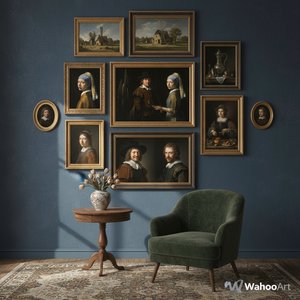
Beyond its architectural magnificence, the palace houses a treasure trove of artistic masterpieces that continue to captivate collectors and art enthusiasts alike. The collection is a profound reflection of the seventeenth-century artistic fervor, featuring works by the titans of the Dutch Golden Age. One cannot wander through these halls without being moved by the dramatic chiaroscuro of Rembrandt’s Portrait of Cornelius van Voorst , a work that captures psychological depth with unparalleled mastery. Similarly, the subtle nuances of emotion and atmospheric perspective found in Vermeer’s The Astronomer offer a moment of quiet contemplation within the palace's more intimate chambers. The presence of works by Frans Hals and the monumental naval canvases of Johannes Lingwerden further enrich this narrative of Dutch maritime strength and artistic innovation.
What truly distinguishes the Royal Palace Amsterdam is its unique ability to present fine art within an immersive, historical context. It does not merely display paintings; it places them within the very rooms where they were once celebrated, allowing for a holistic experience that bridges the gap between the canvas and the lived environment. For the interior designer or the historian, the palace offers an unparalleled study in how art, architecture, and decor coalesce to create a sense of timelessness. Whether through its rotating exhibitions exploring royal portraiture or its permanent displays of decorative arts, the palace remains a vibrant, living institution—a sanctuary where the legacy of the Dutch masters continues to inspire and endure.