



The History of Saint John Museum
Located within the fortified heart of Valletta, Malta, the Saint John Museum emerged as a formal institution in 1975. The museum preserves a vast assembly of over 3,000 items that trace the long presence of the Knights of St. John on the island. This collection functions as a repository for the material history of the Order, capturing the intersection of religious devotion and the political power held by the military order during their rule over Malta.
The museum's existence is tied to the continuous presence of the Knights Hospitaller in the Mediterranean. As the central religious hub for the Order, the site has transitioned from a simple conventual church established in 1573 into a complex site of historical memory. The museum provides the necessary context for the artifacts that once adorned the daily liturgical life and the ceremonial functions of the Knights.
The depth of the collection is reflected in the variety of objects preserved within its walls, ranging from sacred vestments to significant paintings. Among the notable works held within the museum's sphere of influence are:
- The Beheading of Saint John the Baptist, about 1608 - Caravaggio
- St Jerome Writing - Caravaggio
The Architecture of Saint John's Co-Cathedral
The exterior of the cathedral, designed by Girolamo Cassar between 1573 and 1578, presents a dignified limestone facade that belies the complexity within. Originally conceived in 1573 as a simple conventual church, the structure has evolved through centuries of modification. The current form exists as a harmonious blend of Mannerist foundations and exuberant Baroque embellishments. This layering of styles creates a space where the restraint of the initial design meets the intensity of later additions.
Inside, the architecture shifts toward a sense of verticality and light. Soaring vaulted ceilings are adorned with swirling clouds and celestial figures, drawing the eye upward into a simulated heavens. Every surface is treated with intricate stucco work and gilded ornamentation. These details catch the light, creating a constant interplay of shadow and brilliance across the interior surfaces.
The Silver and Textile Collections
The Silver Collection contains a variety of liturgical objects and ceremonial items. These pieces, including chalices, reliquaries, and monstrances, reflect the material wealth and devotion of the Order. The metalwork remains a quiet presence within the museum, holding the weight of religious tradition through its form and function.
A significant set of Flemish tapestries hangs within the space. Designed by Peter Paul Rubens, these twenty-nine pieces were ordered from the weaver Judocus de Vos in Brussels. Each piece measures six meters in height. The scale of the textiles creates a sense of enclosure, their presence felt in the way they occupy the vertical space of the hall.
Masterpieces of the Collection
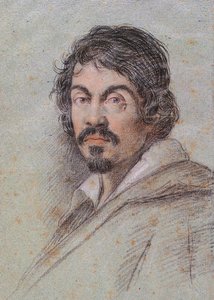
The presence of Michelangelo Merisi da Caravaggio defines the spiritual weight of the space. His work, The Beheading of Saint John the Baptist, was installed in 1608 and remains the central focus of the oratory. The canvas uses stark contrasts between light and shadow to render the visceral reality of martyrdom. Nearby, St Jerome Writing offers a different study of human character, featuring a figure with tanned skin and a pale, bare torso. The painting includes Malaspina’s coat of arms in the bottom right-hand corner.
The walls and ceilings carry the narrative of the patron saint through the hand of Mattia Preti. His paintings depict various episodes from the life of Saint John the Baptist, using dynamic compositions to fill the architectural voids. These works exist alongside sacred vestments that reflect the material devotion of the Order. These garments are crafted from silk satin and are intricately embroidered with gold and silver threads, often featuring floral motifs that carry specific symbolic meanings.
- The Beheading of Saint John the Baptist, about 1608 - Caravaggio
- St Jerome Writing - Caravaggio
The Marble Floor and Decorative Arts
The floor of the cathedral presents a complex mosaic of polychrome marble. This inlaid surface functions as a funerary landscape, where intricately designed tombstones mark the resting places of the Knights of St. John. Each stone carries the weight of individual history, featuring the coats of arms and specific imagery associated with the knights buried beneath. These markers create a tangible connection to the military and political lineage of Malta.
Beyond the stone underfoot, the collection includes various sculptures and decorative arts that populate the sacred space. Among these are three sets of choral books, which are among the most beautifully executed manuscripts on the island. These parchment volumes feature illuminated initials and represent the artistic devotion of the Order. The presence of these objects, alongside the diverse sculptural works, reflects a long history of liturgical and ceremonial life within the walls of the co-cathedral.
Recent Preservation and Museum Projects
The stewardship of this site relies upon the St John's Co-Cathedral Foundation, established in 2001 to administer and conserve the cathedral and its museum. This institutional framework ensures that the physical fabric and the accumulated treasures remain intact. Recent decades have seen focused efforts to maintain the structural integrity of the building through systematic restoration. Between 2008 and 2010, the sides of the cathedral underwent restoration work. This was followed by a more extensive project for the exterior, which took place between 2014 and 2017.
Beyond the structural maintenance of the limestone and masonry, the New Museum Project represents a significant development in how the collection is experienced. This initiative aims to display parts of the collection in a dedicated space, allowing for a closer encounter with the objects held within the museum. Such projects ensure that the historical presence of the Order's artifacts is preserved for future observation.


