

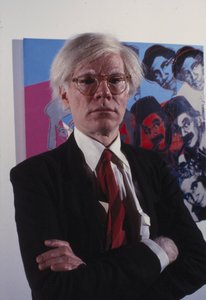
1986. Acrylic On Canvas.

§ 1Catalogue data


This Artwork Is Under Copyright Protection
The artwork displayed on this page is protected by copyright law, which means we cannot legally create or sell an identical reproduction. This protection is enforced under international agreements such as the Berne Convention and by national laws, including those outlined by the U.S. Copyright Law - Title 17.
As a respectful and legal alternative, we offer custom, hand-painted artworks inspired by the original. Our skilled and professional artists carefully study the original's style, mood, and artistic essence to create a new, unique piece that evokes the same feeling - while remaining an original creation in its own right.
This method fully complies with copyright regulations because it does not involve copying or duplicating the protected artwork. Instead, it is a creative reinterpretation - a new painting that is influenced by the original but not identical to it.
 Read more
§ 2Abstract
Collectible Description
Explore 'Self-Portrait, Private' (1986) by Andy Warhol – a haunting final self-representation reflecting fame, identity & mortality through his signature Pop Art style.
Artist Biography
Pop Art icon Andy Warhol created the legendary Campbell’s Soup Cans. Discover his vibrant world of celebrity and consumer culture today.
§ 3Commentary
A Glimpse Behind the Mask: Andy Warhol’s Self-Portrait of 1986
Andy Warhol, a name synonymous with Pop Art, relentlessly interrogated the boundaries between high and low culture, celebrity and anonymity. His 1986 *Self-Portrait*, far from being a conventional study of likeness, is a haunting meditation on image, identity, and mortality – created in the year before his untimely death. The photograph captures Warhol at a pivotal moment, seemingly caught mid-thought, with an expression that’s both playful and unsettling. His famously spiky hair, a signature element of his public persona, dominates the frame, adding to the sense of controlled chaos. This isn't simply a depiction of how Warhol *looked*; it’s a carefully constructed presentation of how he wished to be seen – or perhaps, how he feared being perceived.
The Echoes of Mass Production and Personal Anxiety
Born Andrew Warhola Jr. in Pittsburgh in 1928, Warhol's artistic journey began not within the hallowed halls of fine art academies but amidst the bustling world of commercial illustration. This early exposure to mass production techniques – silkscreening, repetition, and the power of visual communication – profoundly shaped his aesthetic. The *Self-Portrait* reflects this influence; it feels almost mechanically reproduced, a ghostly echo of countless images churned out by the media machine he so keenly observed. However, beneath the surface of cool detachment lies a palpable sense of vulnerability. The stark black and white palette amplifies the emotional weight of the image, stripping away any pretense and revealing a man grappling with his own mortality. The slightly open mouth suggests a stifled expression, as if words remain unspoken, anxieties unaddressed.
A Late-Career Reflection on Fame and Persona
By 1986, Warhol was already an icon, having achieved unparalleled fame through his depictions of Marilyn Monroe, Campbell’s Soup cans, and other emblems of American consumer culture. Yet, this very fame came at a cost. The assassination attempt in 1968 left him deeply shaken, prompting a shift towards more introspective themes. The *Self-Portrait* can be seen as part of this late-career exploration of selfhood. It’s a deliberate dismantling of the carefully constructed persona he had cultivated over decades. He presents himself not as a glamorous celebrity but as a fragile human being, confronting his own image with a mixture of curiosity and apprehension. The photograph is a poignant reminder that even the most celebrated figures are ultimately subject to the same existential anxieties as everyone else.
A Legacy of Reinvention and Enduring Influence
Warhol’s impact on art and culture remains immeasurable. He challenged traditional notions of authorship, originality, and artistic value, paving the way for new generations of artists to explore the intersection of art, commerce, and celebrity. The *Self-Portrait* encapsulates this spirit of reinvention. It's a work that continues to resonate with viewers today because it speaks to our own anxieties about identity, image, and the fleeting nature of fame in an increasingly mediated world. Owning a reproduction of this iconic piece isn’t merely acquiring a beautiful artwork; it’s inviting a conversation – a contemplation on the complexities of modern life and the enduring power of self-representation.
Questions & Answers
What print size of "Self portrait, Private" by Andy Warhol fits the recommended room?
The recommended pairing for "Self portrait, Private" by Andy Warhol: a large print in a living room.
Can the image of "Self portrait, Private" by Andy Warhol be freely reproduced?
"Self portrait, Private" by Andy Warhol is still protected by copyright. This status governs how the image of the work may be reproduced.
What is the luminance of "Self portrait, Private" by Andy Warhol?
"Self portrait, Private" by Andy Warhol has a soft shadow luminance. Luminance describes how much light the colors appear to reflect.


 Switch to Print


 For artworks or reproductions larger than 105 cm (approximately 41 inches) on any side, the frame will be shipped as a kit, disassembled. This method ensures safe delivery and prevents damage during transport.


