


 Preview

 Send
 Share
 Details
 Guide


 Download
 Similars
 X-Ray
 Diaporama
 Q&A
 Stats
Sir Thomas Gresham

- 90.0 x 76.0 cm


 Read More
Giclée / Art Print
Museum-quality giclée or canvas print with fast production and flexible finish options. ( Buy Hand Made Painting Switch to Digital Image)
P118B $10
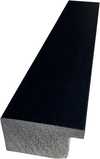
P118H $10
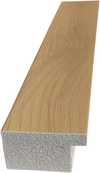
P118W $10
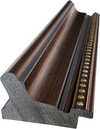
P438Z $10
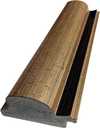
P508JH $12
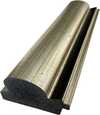
P508YH $12
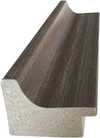
P805H $10
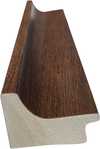
P805Z $10
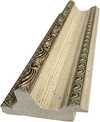
P919BZ $10
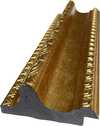
P919G $10
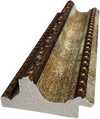
P919XJ $10
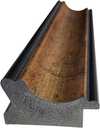
P959ZH $10
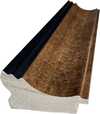
P968JZ $12
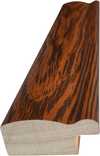
W106C $8
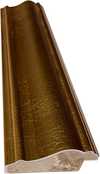
W218G $10
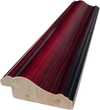
W218JH $8
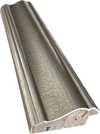
W218Y $10
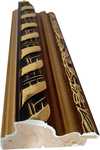
W307PJ $10
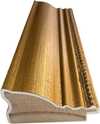
W316G $10
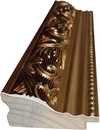
W316PJ $8
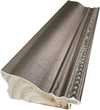
W316Y $10
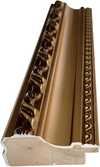
W398PJ $8
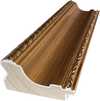
W4111J $10
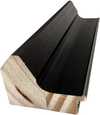
W500HY $15
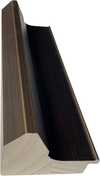
W500JH $15
W692G $12
W849H $8
W940BG $15
W953PJ $8
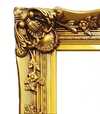
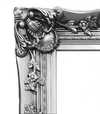
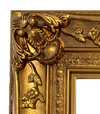
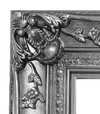
Pick from our preset sizes that match the artwork's original proportions.

Type the width and the height you need, to fit your frame or your wall. A print can only be cut, never made bigger than the picture, so a size with a different shape loses a part of the image. We send you a digital mockup to approve before we print anything. The picture shown on this page does not show the real cut — only the mockup does.
Worldwide Delivery () in 2 weeks instead of standard 4/5 weeks. (19 November)

Free Worldwide Express Shipping

High-Quality Linen Canvas

Full Shipping Insurance

Customs Tax Refund Guarantee

True Color Matching Guarantee

100-Day Return Policy (Defects Only)

100% Money-Back Guarantee

Bulk Discount Offer
 Glass option is only available in size under 110 CM

Sir Thomas Gresham
Giclée / Art Print
Reproduction Size
-


Total Price
$ 65
Identification of the Portrait of Sir Thomas Gresham
In this portrait, Anthonis Mor Van Dashorst captures the steady presence of Sir Thomas Gresham. The subject sits before us, a man whose influence once shaped the financial landscape of Europe. As the leading English merchant in Antwerp and the financial agent for the English king in the Low Countries, Gresham carries a weight of responsibility in his gaze. He is the man who founded the Royal Exchange and established Gresham College in London, leaving a legacy etched into the very foundations of commerce and education.
The artist, Anthonis Mor Van Dashorst, brings a meticulous eye to this likeness. Born in Utrecht, Netherlands, Mor possesses a way of rendering the individual that feels immediate and alive. This specific work dates to 1560, a moment when the sitter's social standing and professional gravity are palpable. The portrait does more than record a face; it presents a man of significant purpose, frozen in a moment of quiet, commanding authority.
Composition and Visual Details
The subject sits firmly within a chair that dominates the lower portion of the frame, anchoring the entire scene. He is dressed in a black suit, his presence marked by a stern expression and the grooming of a beard and mustache. A collar frames his face, catching the light against the dark fabric of his attire. He holds a posture of quiet authority, his gaze fixed and unyielding. The weight of his position is felt in the stillness of his seated form.
In the space surrounding him, life unfolds in layers. One figure stands directly behind him in the foreground, adding a sense of depth to the immediate circle of the subject. Further back and to the right, a second person occupies the scene, partially distanced from the central focus. This arrangement creates a structured, tiered environment that draws the eye through the social hierarchy of the room. The background reveals a brick wall and an open window, suggesting a connection to the world outside the immediate interior.
Materials and Physical Characteristics
The physical presence of this portrait is defined by its substantial scale, measuring 90 x 76 cm. Originally rendered as an oil on panel, the work carries the weight and texture of its primary medium. The artist’s brushwork captures the subtle shifts in light across the subject's features, a task made possible by the careful application of oil pigments. This specific piece is identified by the object number SK-A-3119.
Time has left its mark on the very substance of the work. While it began its life on a rigid wooden support, the painting has undergone a significant transformation. The original oil on panel was transferred to canvas, a process that alters the way the surface interacts with light and shadow. This transition from wood to fabric changes the tactile quality of the work, lending a different character to the way the colors settle upon the grain.
History and Provenance of the Artwork
The journey of this portrait through the centuries carries it through the hands of emperors and across shifting political borders. At one point in its long history, the painting resides within the private collection of Catherine the Great of Russia. It remains in these imperial circles until the political tides of the twentieth century shift the work's destiny once more. The Soviet Union holds the painting, eventually deciding to sell it to the Rijksmuseum in 1931 to secure foreign currency.
The physical life of the work has seen significant changes to ensure its survival. In 1872, the portrait undergoes a major transformation when the painting of Anne Fernely is transferred from its original panel onto canvas. This restoration marks a pivotal moment in how the work presents itself to the eye. The movement from wood to fabric alters the very substance of the piece, preserving the likeness of the merchant for future generations to witness.
Related Works by Anthonis Mor Van Dashorst
The visual narrative of this portrait finds its companion in the likeness of Anne Fernely, the wife of Gresham. As a pendant to this work, her portrait completes a shared history, capturing the presence of the woman who stood alongside the merchant. This connection links the two figures through a shared space and a shared life, creating a dual presence that speaks to their status and their union.
Mor’s brush also moved through the halls of power, capturing the regal bearing of Mary Tudor, Queen of England, in 1554. His ability to navigate the requirements of the court is evident in his service as a painter to the Spanish king. This high-level patronage allowed him to observe the nuances of nobility and the weight of authority that defined the sixteenth century.
In 1560, the artist turned his attention to Anne Fernel, the Wife of Sir Thomas Gresham. This portrait offers another window into the social fabric of the era, focusing on the character and dignity of the sitter. Through these various commissions, the artist’s hand moves between the private intimacy of a marriage and the public grandeur of royal courts.
Where to See the Artwork Today
The presence of Sir Thomas Gresham remains a constant within the halls of the Rijksmuseum in Amsterdam. Visitors find him held within this prestigious collection, where he resides as part of the museum's permanent holdings. He is identified by the object number SK-A-3119, a mark that traces his place within the museum's vast archives. To stand before him is to encounter a figure preserved through centuries of careful stewardship.
This portrait is kept in the Rijksmuseum, Amsterdam, where the quiet dignity of the subject is maintained for those who seek it. The painting exists as a physical part of the museum's curated environment, allowing the gaze of the viewer to meet the stern expression of the merchant. He remains a fixture of the Dutch institution, a silent inhabitant of the galleries in Amsterdam.
Questions & Answers
Can I watch "Sir Thomas Gresham" as a full-screen slideshow?
The diaporama of "Sir Thomas Gresham" can be watched on the artwork's Diaporama page.
What technique was used for "Sir Thomas Gresham", and when was it created?
"Sir Thomas Gresham" was made in 1560, in oil on panel.
What mood and emotion come together in "Sir Thomas Gresham"?
"Sir Thomas Gresham" by Antonis Mor conveys a reflective feeling within an overall elegant mood.
Related Artworks


Artist Biography
Anthonis Mor van Dashorst: The Painter of Regal Dignity
Anthonis Mor van Dashorst (1517-1577) stands as a cornerstone of Dutch Renaissance portraiture, embodying the meticulous realism and symbolic depth characteristic of his era. Born in Utrecht, Netherlands, he emerged from a family steeped in artistic tradition – his father was a sculptor, establishing a lineage dedicated to visual representation. While biographical details remain somewhat sparse, Mor’s prolific output speaks volumes about his talent and unwavering commitment to capturing the essence of his subjects. He quickly gained renown for his ability to portray nobility with unparalleled accuracy, securing commissions from influential figures across Europe.- Early Life & Training: Little is known definitively about Mor's formative years beyond his Utrecht upbringing. However, he studied under Pieter Bruegel the Elder in Antwerp, absorbing Bruegel’s masterful observation of human nature and landscape—influences that would permeate Mor’s own artistic vision.
- Antwerp Period & Artistic Development: Mor’s time in Antwerp proved pivotal for his artistic maturation. He honed his skills alongside fellow artists like Quentin Massys and Hendrik Golse, immersing himself in the vibrant artistic milieu of the Flemish Republic. This exposure fostered a sophisticated understanding of perspective and chiaroscuro—techniques he skillfully employed to illuminate his portraits with dramatic light and shadow.
The Reign of Mary Tudor: A Masterpiece of Northern Renaissance Portraiture
Mor’s fame ascended dramatically upon completing his portrait of Mary Tudor, Queen of England (1554). This monumental canvas exemplifies the pinnacle of Mor’s artistic prowess. Executed with painstaking detail, it captures Mary's regal bearing and inner composure—a testament to Mor’s ability to convey psychological nuance alongside physical likeness. The composition is meticulously balanced, utilizing pyramidal structure and subtle drapery folds to emphasize Mary’s stature and dignity. Furthermore, the use of chiaroscuro creates a captivating interplay of light and dark, highlighting Mary's face and conveying an aura of solemn grandeur. This portrait cemented Mor’s reputation as one of the foremost portraitists of his time and remains a celebrated exemplar of Northern Renaissance art.- Royal Patronage & Artistic Recognition: Mor benefited greatly from royal patronage, securing commissions from monarchs across Europe—including Philip II of Spain. These engagements allowed him to explore ambitious projects and refine his artistic style, furthering his legacy as a court artist.
- Notable Commissions & Artistic Style: Beyond Mary Tudor’s portrait, Mor undertook numerous commissions depicting prominent statesmen, diplomats, and aristocrats. His distinctive artistic style—characterized by meticulous realism, masterful perspective, and expressive chiaroscuro—became instantly recognizable. He consistently prioritized conveying not merely physical appearance but also character and emotion, elevating his portraits beyond mere likenesses into profound statements about human dignity.
Influence & Legacy
Mor’s influence extended far beyond his immediate contemporaries. His meticulous approach to portraiture established a precedent for subsequent generations of artists—inspiring them to strive for greater accuracy and psychological insight. He championed the humanist ideals prevalent during the Renaissance, reflecting an unwavering belief in the power of art to illuminate human experience. Today, Mor van Dashorst’s paintings continue to captivate audiences worldwide, serving as enduring reminders of the artistic brilliance achieved during the Dutch Golden Age—a period defined by innovation, ambition, and a profound appreciation for beauty.
Antonis Mor
1519 - 1575 , Netherlands
Quick Facts
- Full Name: Anthonis Mor van Dashorst
- Nationality: Dutch
- Date Of Birth: 1517
- Date Of Death: 1577
- Place Of Birth: Utrecht, Netherlands
- Notable Artworks:
- Cardinal Granvelle's Dwarf
- Queen Mary Tudor of England
- Margaret, Duchess of Parma
- Artistic Movement Or Style: Renaissance Portraiture
- Artists Who Influenced This Artist:
- Jan van Eyck
- Rogier van der Weyden
- Artists Or Movements Influenced By This Artist: ['Baroque']
Related Articles

Master of Elegance: The Top 25 Greatest Artworks by Sir Anthony van Dyck
Explore 25 Baroque masterpieces by Sir Anthony van Dyck. Discover timeless elegance and fine art at AllPaintingsStore.com.

25 Must-See Masterpieces at the Rijksmuseum, Amsterdam
Embark on a journey through Dutch history. From Rembrandt’s dramatic Night Watch to Vermeer’s luminous light, explore the top 25 masterpieces of the Rijksmuseum, Amsterdam. Find inspiration with our museum-quality art reproductions. Discover all masterpieces on AllPaintingsStore.com

The Weight of Shadow: Examining the Depth of Brown Pigments and Chiaroscuro in Classical Painting
Explore the technical mastery of earth pigments and chiaroscuro in classical art. Discover the depth of shadow and texture today.


