- Home

- Oil Painting Reproduction
- barbara mary quant
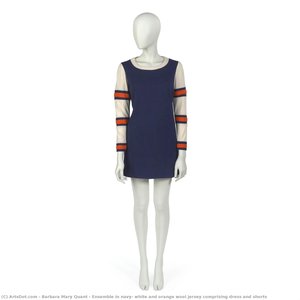
- Ensemble in navy, white and orange wool jersey comprising dress and shorts

 Buy print
 Send
Send Share
Share
 Details

 Download
 Similars
 X-Ray
X-Ray Diaporama
Ensemble in navy, white and orange wool jersey comprising dress and shorts


 Read More
Hand Made Oil Reproduction
Hand-painted oil on canvas in your size and frame, made to order by our artists.




P118B $10

P118H $10

P118W $10

P438Z $10

P508JH $12

P508YH $12

P805H $10

P805Z $10

P919BZ $10

P919G $10

P919XJ $10

P959ZH $10

P968JZ $12

W106C $8

W218G $10

W218JH $8

W218Y $10

W307PJ $10

W316G $10

W316PJ $8

W316Y $10

W398PJ $8

W4111J $10

W500HY $15

W500JH $15

W692G $12

W849H $8

W940BG $15

W953PJ $8




Pick from our preset sizes that match the artwork's original proportions.

You may enter your own dimensions to fit a specific frame or space. If your selected size does not match the original image's proportions, we will either crop the artwork or extend the painting with additional hand-painted elements. A digital mockup will be sent for your approval before production begins.
Please note that the on-screen preview does not reflect the actual cropping or extension. Only the mockup will accurately show the final composition.
While custom sizes are available, we recommend selecting a dimension from the predefined list to preserve the original proportions.
After order, AllPaintingsStore.com team will email client for instructions and provide a mockup preview
Worldwide Delivery () in 3/4 weeks instead of standard 5 weeks. (16 July). No compromise on quality.

Free Worldwide Express Shipping

High-Quality Linen Canvas

Full Shipping Insurance

Customs Tax Refund Guarantee

True Color Matching Guarantee

60-Day Return Policy (Defects Only)

100% Money-Back Guarantee

Bulk Discount Offer
 Glass option is only available in size under 110 CM

Ensemble in navy, white and orange wool jersey comprising dress and shorts
Reproduction Medium
Reproduction Size
-


Total Price
-
Artwork Description
A Revolutionary Silhouette: The Essence of 1960s Mod
The image before us isn't merely a photograph; it’s a captured moment of seismic change. Barbara Mary Quant’s 1967 “Ensemble in Navy, White and Orange Wool Jersey Comprising Dress and Shorts” is more than just a garment; it’s a visual embodiment of the youthful rebellion and burgeoning optimism that defined the Swinging Sixties. Quant, a pivotal figure in British fashion history, didn't simply design clothes; she engineered a cultural shift, liberating women from restrictive silhouettes and embracing a playful, democratic approach to style. This particular piece – a deceptively simple navy dress paired with a vibrant orange shorts – encapsulates this ethos perfectly, radiating an energy that still resonates today.
The backdrop of 1967 London is crucial to understanding the significance of this design. Post-war austerity had given way to a period of unprecedented economic growth and social change. Youth culture was exploding, fueled by music, art, and a desire for self-expression. Quant’s designs directly catered to this burgeoning demographic, offering affordable, wearable fashion that allowed young people to define their own identities – a radical departure from the established norms dictated by traditional couture.
The Geometry of Rebellion: Form and Fabric
Quant's genius lay in her masterful manipulation of fabric and form. The dress itself is a study in minimalist elegance, constructed from a fluid wool jersey that drapes beautifully around the body. Its round neckline and long sleeves are classic, yet the key element lies in the three bands of orange and navy – a bold, graphic accent that immediately draws the eye. These stripes aren’t just decorative; they create a dynamic visual rhythm, suggesting movement and energy. The shorts, rendered in a bright orange jersey, echo this playful spirit, offering a cheeky counterpoint to the more formal dress.
The photograph's composition is deliberately stark. A plain white background amplifies the colors of the garment, emphasizing its vibrancy and highlighting the textural quality of the wool. The mannequin’s pose is neutral, allowing the clothing itself to take center stage. Lines are primarily geometric – straight lines defining the mannequin's form and the stripes on the sleeves – creating a sense of order within the overall design. Shapes are predominantly rectangular and cylindrical (the dress and mannequin), contributing to a clean, modern aesthetic that was characteristic of mid-century design.
A Legacy Woven in Wool: Quant’s Influence
Quant's impact on fashion is undeniable. She didn’t invent the miniskirt – John Bates had already pioneered it – but she popularized it and elevated it into a symbol of youthful freedom. Her designs were embraced by celebrities like Twiggy, cementing her status as a leading figure in the mod movement. The use of jersey fabric itself was revolutionary; it offered unprecedented comfort and ease of wear, allowing for greater mobility and self-expression. The “Ensemble” exemplifies this – a garment that’s both stylish and practical, reflecting the values of its time.
Beyond fashion, Quant's work represents a broader cultural shift. She challenged traditional notions of femininity, empowering women to embrace their individuality and express themselves through clothing. Her designs were accessible, affordable, and undeniably cool – qualities that continue to resonate with designers and consumers today. The enduring appeal of this particular ensemble lies not just in its aesthetic beauty but also in the powerful story it tells about a generation’s desire for change and self-discovery.
Reproductions & Beyond: Bringing Quant's Vision to Life
AllPaintingsStore offers high-quality reproductions of Barbara Mary Quant’s “Ensemble in Navy, White and Orange Wool Jersey Comprising Dress and Shorts,” allowing you to experience the vibrancy and dynamism of this iconic design firsthand. Whether for your wardrobe or as a striking addition to your interior space, a reproduction captures the essence of Quant's revolutionary style while offering the convenience and affordability of modern production. Explore our selection today and bring a piece of 1960s mod history into your life.




Artist Biography
A Revolutionary Silhouette: The Life and Legacy of Barbara Mary Quant
Barbara Mary Quant, born in Woolwich, London, on February 11, 1930, and passing away peacefully in Surrey on April 13, 2023, was more than just a fashion designer; she was a cultural seismograph. Her impact resonated far beyond the runways of London, fundamentally altering the way young people dressed and expressing themselves during the vibrant, transformative decade of the 1960s. Quant’s story is inextricably linked to the rise of youth culture, the burgeoning spirit of rebellion, and a bold rejection of established sartorial norms – all channeled through her instantly recognizable designs. Her journey began with a practical education at goldsmiths college, an institution that fostered a spirit of innovation and challenged traditional artistic boundaries, perfectly aligning with Quant’s own approach to fashion.The Birth of Mod: A New Silhouette Takes Shape
Quant's career truly ignited in the mid-1960s, coinciding with the explosive emergence of ‘Mod’ fashion in London. This wasn’t simply about clothes; it was a statement – a declaration of youthful energy, optimism, and a desire to break free from the constraints of post-war austerity. Quant's designs were instrumental in shaping this aesthetic. She is widely credited (though often debated) with pioneering the miniskirt, a garment that instantly captured the imagination of young people and became a symbol of liberation. Prior to Quant’s work, skirts typically reached mid-calf; her creations, dramatically shortening hemlines, represented a radical shift in both style and attitude. Alongside the miniskirt, she popularized ‘hotpants,’ daringly short trousers that further challenged conventional notions of femininity and propriety. These weren't simply garments; they were tools for self-expression, allowing young people to assert their individuality and embrace a new sense of freedom.Influences and Design Philosophy
Quant’s design philosophy was rooted in functionality and accessibility. She famously stated that her clothes should be “simple, inexpensive, and easy to wear.” This pragmatic approach stemmed from her own experiences – she designed her first dresses while still a student, creating affordable garments for herself and her friends. Her early influences were diverse, ranging from the clean lines of Scandinavian design to the geometric patterns of Matisse. However, Quant’s signature style was uniquely her own: crisp, architectural shapes, bold primary colors, and a focus on minimizing embellishment. She eschewed fussy details and elaborate ornamentation, believing that simplicity was key to creating timeless designs. The use of jersey fabric – initially sourced from a local supplier – allowed for ease of movement and a comfortable fit, crucial elements for the active lifestyle embraced by the Mod generation.A Cultural Icon: Beyond the Runway
Quant’s influence extended far beyond the fashion industry. She became a cultural icon, frequently appearing in Vogue and other prominent publications. Her image – often depicted in her signature black shift dress – was instantly recognizable and synonymous with the Swinging Sixties. She collaborated with photographers like David Bailey and posed for iconic images that captured the energy of the era. Quant’s designs were worn by celebrities such as Twiggy, Jean Shrimpton, and The Beatles, further cementing her status as a central figure in British popular culture. She wasn't just designing clothes; she was shaping a visual language, embodying the spirit of a generation.Legacy and Enduring Impact
Barbara Mary Quant’s legacy is profound and enduring. Her designs continue to be celebrated for their simplicity, innovation, and contribution to youth culture. The miniskirt, arguably her most famous creation, remains a staple in wardrobes worldwide, a testament to the transformative power of one designer's vision. Quant demonstrated that fashion could be both stylish and democratic, accessible to all young people regardless of social status. Her influence can still be seen today in contemporary designers who prioritize functionality, bold silhouettes, and a youthful aesthetic. Dame Mary Quant, as she was officially recognized, left an indelible mark on the world of fashion and beyond – a reminder that clothing can be more than just fabric; it can be a symbol of freedom, identity, and change.
barbara mary quant
1930 - 2023 , United Kingdom
Quick Facts
- Artistic Movement Or Style: Mod fashion, Youth style
- Date Of Birth: February 11, 1930
- Date Of Death: April 13, 2023
- Full Name: Barbara Mary Quant
- Nationality: British
- Place Of Birth: Woolwich, London, England
Related Articles

Harmonizing Spaces: A Comprehensive Guide to Selecting Art for the Modern Home – Scale, Psychology, and Style Considerations
Transform your home with art! Expert guide to selecting pieces that reflect your style & enhance your space. Discover color psychology, scale tips & investment advice. Start creating a harmonious interior today!

Navy Hues & Masterpieces: 10 Iconic Paintings for Elegant Home Decor
Dive into a world of captivating navy hues! Explore 10 iconic paintings – from Van Gogh's 'Starry Night' to Monet’s seascapes. Discover the stories behind these masterpieces & find museum-quality art reproductions for your home at .

Draped Narratives: Fashion as Symbol & Subject in Historical Art
Explore the fascinating history of fashion as a symbol of power & status in art! Discover masterpieces from Gainsborough to Tissot and learn how clothing shaped societal narratives. Find museum-quality reproductions at AllPaintingsStore.

Azure Visions: Exploring Representations of the Blue Dress in Western Art History
Explore the rich history of the blue dress in Western art! Discover its symbolism, from Renaissance masterpieces to modern interpretations by artists like Martin & Schiele. Uncover cultural meanings and artistic techniques.

Sir James Jebusa Shannon: A Master of Victorian Portraiture & Aesthetic Style
Explore the life & art of Sir James Jebusa Shannon, a leading Victorian portrait painter. Discover his elegant style, technical mastery, and lasting influence on British art. Shop high-quality reproductions at AllPaintingsStore.