Money-Back Guarantee · 100 days Free Worldwide Delivery
449,587artworks 30,613artists 4,660museums 32languages
Catalogue entry

Iris

.

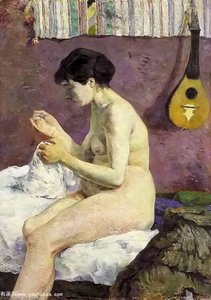
Fig. 1. Charles Henry Sims, Iris. Shown as the reproduction you are specifying: , .

§ 1Catalogue data

§ 2Abstract

Collectible Description

Explore Charles Henry Sims’ ‘Iris,’ a captivating late 19th-century oil painting of a nude figure in a classical landscape. Impressionistic beauty, symbolic depth & warm tones.

Artist Biography

Discover Charles Henry Sims (1873-1928), a British painter of portraits & landscapes. A key figure in outsider art, his style evolved from Edwardian elegance to surreal religious themes.

§ 3Commentary

A Vision of Classical Reverie: Exploring Charles Henry Sims’ *Iris*

Charles Henry Sims' *Iris* is a captivating oil painting that transports viewers to a realm of classical mythology and serene beauty. The artwork depicts a nude female figure, poised with graceful dignity upon a raised platform, set against a softly rendered landscape. She presents a woven basket brimming with the bounty of nature – luscious fruits, vibrant flowers, and a delicate winged cherub or angel. This isn’t merely a depiction of physical form; it's an evocation of abundance, grace, and perhaps even divine favor. The large scale of the work further enhances its immersive quality, drawing the viewer into this idyllic scene.

Impressionistic Technique & Artistic Lineage

Painted in a style reminiscent of late 19th-century Impressionism, *Iris* showcases Sims’ masterful handling of light and atmosphere. Visible brushstrokes, blended with subtle expertise, create luminous effects across the canvas. The artist prioritizes capturing a fleeting moment, an impression rather than precise detail – particularly evident in the hazy background which suggests depth through atmospheric perspective. While trained at both South Kensington College of Art and the Académie Julian in Paris, Sims developed a uniquely idiosyncratic style that places him within the realm of art outsider. This categorization stems from his artistic development alongside struggles with mental health, resulting in a deeply personal and often unconventional approach to painting.

Symbolism & Mythological Echoes

The symbolism woven into *Iris* is rich and layered. The overflowing basket immediately suggests themes of abundance and fertility, harking back to classical depictions of goddesses like Ceres or Flora. The inclusion of the winged figure introduces an element of divine protection or a messenger from the heavens, elevating the scene beyond mere pastoral beauty. The central female figure herself embodies a goddess-like quality – her pose is reminiscent of ancient sculptures, and her serene expression conveys a sense of timeless wisdom. It’s a carefully constructed allegory that invites contemplation on themes of nature, spirituality, and the human condition.

Emotional Resonance & Interior Design Considerations

*Iris* evokes a feeling of tranquility and warmth. The predominantly warm color palette – golds, peaches, and soft greens – contributes to this serene atmosphere. The painting’s balanced composition and flowing lines create a sense of harmony and visual pleasure. As an interior design element, *Iris*, or a high-quality reproduction thereof, would lend itself beautifully to spaces seeking a touch of classical elegance and artistic depth. It would be particularly striking in a living room, dining room, or bedroom, serving as a focal point that inspires contemplation and adds a layer of sophisticated beauty. The artwork’s soft lighting and naturalistic forms complement both traditional and contemporary décor styles, making it a versatile addition to any collection.

Questions & Answers

Can I see an X-ray view of "Iris" by Charles Henry Sims?

The X-Ray view of "Iris" by Charles Henry Sims is on the artwork's X-Ray page: an interactive examination of the image through eleven optical layers.

What explains the copyright situation of "Iris" by Charles Henry Sims?

"Iris" by Charles Henry Sims is in the public domain - its copyright has expired. Copyright terms are measured from the artist's death, and Charles Henry Sims died in 1928.

From which country does the Impressionism work "Iris" come?

"Iris" was created by Charles Henry Sims, born in United Kingdom, within the Impressionism movement. The artist's origin links the work to Impressionism as practiced by artists from United Kingdom.

§ 4The artist

Charles Henry Sims

Charles Henry Sims

1873 - 1928, United Kingdom

Quick facts about Charles Henry Sims

  • Full Name: Charles Henry Sims
  • Nationality: British
  • Date Of Birth: 1873
  • Date Of Death: 1928
  • Place Of Birth: Islington, United Kingdom
  • Notable Artworks:
    • The Building of Britain
    • Iris
    • Sunshine And Wind
    • The Bathers
  • Artistic Movement Or Style: Outsider art, Impressionism

Artist Biography

A Life Shrouded in Light and Shadow: The Enigmatic World of Charles Henry Sims

Charles Henry Sims, born in Islington, London, in 1873, remains a compelling figure in British art—a painter whose journey traversed the elegance of Edwardian society to the unsettling depths of personal turmoil and ultimately, outsider artistry. His life was marked by both conventional success and profound tragedy, factors that indelibly shaped his artistic vision. Initially destined for a commercial career within his family’s drapery business, Sims defied expectations, pursuing formal training at South Kensington College of Art before honing his skills in Paris at the prestigious Académie Julian. This early exposure to European artistic currents laid the foundation for his initial acclaim as a portraitist and landscape painter, establishing him within the established art world. However, beneath this veneer of conventional achievement lay a sensibility that would increasingly diverge from accepted norms, particularly after experiencing immense personal loss during World War I.

From Edwardian Elegance to Surreal Visions

Sims’ early work reflects the prevailing aesthetic tastes of the Edwardian era—refined portraits and idyllic landscapes characterized by delicate brushwork and a harmonious palette. He quickly gained recognition, exhibiting at the Royal Academy from 1894 onwards and becoming a sought-after portraitist among London society. Yet, even within these seemingly conventional pieces, hints of his unique perspective began to emerge – a subtle psychological depth in his portraits, an ethereal quality in his landscapes that hinted at something beyond mere representation. The tragic death of his son during the First World War proved to be a watershed moment. This devastating loss triggered a profound shift in Sims’ artistic trajectory, propelling him towards increasingly introspective and unconventional themes. He began exploring religious subjects with a distinctly personal and often unsettling interpretation, moving away from representational accuracy toward a more symbolic and surreal style. His later paintings are filled with haunting imagery, dreamlike compositions, and an intense spiritual yearning that set him apart from his contemporaries.

A Controversial Keeper and the ‘Spiritual Ideas’ Series

Sims' career reached a complex juncture in 1920 when he was appointed Keeper of the Royal Academy Schools—a prestigious position responsible for overseeing artistic education. However, this appointment proved to be fraught with difficulty. His increasingly idiosyncratic style clashed with the conservative tastes of the establishment, and his unconventional teaching methods alienated many students. Simultaneously, his personal life spiraled into turmoil as he became estranged from his wife and children. This period coincided with the creation of his most controversial works: the ‘Spiritual Ideas’ series. These paintings, imbued with a deeply personal symbolism and unsettling imagery, were met with widespread criticism and incomprehension. While some viewers recognized their profound emotional depth and artistic innovation, others dismissed them as bizarre and disturbing. The rejection of these works by the Academy contributed to his resignation in 1926, leaving him increasingly isolated and disillusioned.

Legacy and Recognition: An Outsider’s Perspective

The final years of Charles Henry Sims' life were marked by increasing isolation and despair. In 1928, he tragically took his own life at St. Boswells, Scotland. Despite the controversy surrounding his later work during his lifetime, Sims has since been recognized as a significant figure in British art—a precursor to the Outsider Art movement. His willingness to explore deeply personal themes, his rejection of conventional artistic norms, and his unique visual language resonate with artists and viewers today. Institutions like the Tate Gallery, the British Museum, and English Heritage hold examples of his work, ensuring his legacy endures. Iris, Sunshine And Wind, and The Bathers are just a few examples of paintings that showcase his evolving style and captivating use of light and color. His contribution to the Palace of Westminster’s “Building of Britain” series, though initially criticized, now stands as a testament to his bold artistic vision. Charles Henry Sims' story serves as a poignant reminder of the complex relationship between art, life, and the enduring power of individual expression. He was an artist who dared to venture beyond the boundaries of convention, leaving behind a body of work that continues to challenge, intrigue, and inspire.

§ 5Comparanda

§ 6Questions

Quick Facts

  • style: Late 19th-century Impressionistic
  • movement: Impressionism, Outsider Art
  • artist: Charles Henry Sims
  • notable elements: Nude figure, basket of fruit and flowers, cherub/angel

Art Quiz

There is only one correct answer for each question.

Question 1:
Charles Henry Sims is most notably associated with which artistic movement, in addition to Impressionism?
Question 2:
What is a prominent symbolic element within 'Iris' that suggests prosperity and growth?
Question 3:
The painting's style, characterized by loose brushwork and capturing light, aligns most closely with which period?
Question 4:
The presence of a winged figure in the basket suggests what additional layer of meaning to the artwork?
Question 5:
What is the primary medium used in 'Iris'?

§ 7Cite this entry

AllPaintingsStore.com, “Charles Henry Sims, Iris”, https://allpaintingsstore.com/en/art/charles-henry-sims-iris-9DGHBS-en/ArtistReproduction/ (accessed 4 October 2026).

§ 8The reproduction

Hand Made Oil Reproduction

Hand-painted oil on canvas in your size and frame, made to order by our artists. ( Switch to Print Switch to Digital Image)

It is specified on the order sheet in the margin; the present state of that sheet reads as follows.

Iris

Reproduction Medium

Reproduction Size

-

Elite Senior Artist

More detail, finesse, and extra production time

-

Reproduction Frame

-

-

For artworks or reproductions larger than 105 cm (approximately 41 inches) on any side, the frame will be shipped as a kit, disassembled. This method ensures safe delivery and prevents damage during transport.

Professional assembly required - this is not a DIY product.
The kit must be assembled and the canvas stretched by an experienced professional framer, using wood glue (not supplied), a canvas stretching plier and clamps to hold the bars square while the glue dries. Incorrect assembly or uneven canvas tension can permanently damage the artwork and is not covered by our warranty.

  • All solid wood bars are included, precisely cut to size.

  • Assembled with the screws provided, plus wood glue for the corner joints, which is not supplied and must be sourced by your framer.

  • Professional tools are required and not included: a canvas stretching plier (tensioner) and clamps to hold the bars square while the glue dries.

Important:
The corner joints require wood glue, the bars must be held with clamps until the glue is fully dry, and tightening the canvas on the assembled frame requires a canvas stretching plier. None of these are included in the kit. Please arrange an experienced professional framer before ordering this size.

Nameplate

-

-

Protective Varnish

Glossy Varnish (enhances colors, protects against light/moisture)

-

Customize My Artwork

Examples of what can be changed: Replace face with customer photo; Add pet (e.g., replace cat with dog); Include hidden message in background; Change background landscape or elements.

-

Urgent

Worldwide Delivery () in 3/4 weeks instead of standard 5 weeks. (2 November). No compromise on quality.

-

Express Shipping

Worldwide Delivery () in 5 weeks. (9 November).

Included

Total Price

$ 258

Included with every order

  • Free Worldwide Express Shipping
  • High-Quality Linen Canvas
  • Full Shipping Insurance
  • Customs Tax Refund Guarantee
  • True Color Matching Guarantee
  • 100-Day Return Policy (Defects Only)
  • 100% Money-Back Guarantee
  • Bulk Discount Offer
Order sheet