Money-Back Guarantee · 100 days Free Worldwide Delivery
449,582artworks 30,618artists 4,705museums 32languages
Currency
    Language
      Atelier · Est. 2015 · Paris, France
      AllPaintingsStore
      allpaintingsstore.com
      Preview AR preview Switch to Print Switch to Digital Image Send
      Details Guide Add to favorites Download Similars X-Ray Diaporama Stats

      untitled (2990)

      Experience Edvard Munch’s iconic black and white winter scene – a haunting depiction of a snowy village with a church and clock, reflecting the artist's profound exploration of anxiety and mortality. Discover this evocative masterpiece and bring its timeless beauty into your home.

      Explore Edvard Munch (1863-1944), pioneer of Expressionism! Discover 'The Scream' & art exploring anxiety, mortality, love & psychological themes.

      Hand Made Oil Reproduction

      Hand-painted oil on canvas in your size and frame, made to order by our artists. ( Switch to Print Switch to Digital Image)

      Corner sample of the P118B picture frame: moulded polystyrene, 5 cm wide and 3 cm thick
      P118B $10
      Corner sample of the P118H picture frame: moulded polystyrene, 5 cm wide and 3 cm thick
      P118H $10
      Corner sample of the P118W picture frame: moulded polystyrene, 5 cm wide and 3 cm thick
      P118W $10
      Corner sample of the P438Z picture frame: moulded polystyrene, 5.5 cm wide and 3.5 cm thick
      P438Z $10
      Corner sample of the P508JH picture frame: moulded polystyrene, 7 cm wide and 3.5 cm thick
      P508JH $12
      Corner sample of the P508YH picture frame: moulded polystyrene, 7 cm wide and 3.5 cm thick
      P508YH $12
      Corner sample of the P805H picture frame: moulded polystyrene, 5 cm wide and 3.5 cm thick
      P805H $10
      Corner sample of the P805Z picture frame: moulded polystyrene, 5 cm wide and 3.5 cm thick
      P805Z $10
      Corner sample of the P919BZ picture frame: moulded polystyrene, 7 cm wide and 3.5 cm thick
      P919BZ $10
      Corner sample of the P919G picture frame: moulded polystyrene, 7 cm wide and 3.5 cm thick
      P919G $10
      Corner sample of the P919XJ picture frame: moulded polystyrene, 7 cm wide and 3.5 cm thick
      P919XJ $10
      Corner sample of the P959ZH picture frame: moulded polystyrene, 5 cm wide and 3 cm thick
      P959ZH $10
      Corner sample of the P968JZ picture frame: moulded polystyrene, 6 cm wide and 4 cm thick
      P968JZ $12
      Corner sample of the W106C picture frame: solid wood, 5 cm wide and 3 cm thick
      W106C $8
      Corner sample of the W218G picture frame: solid wood, 5 cm wide and 3 cm thick
      W218G $10
      Corner sample of the W218JH picture frame: solid wood, 5 cm wide and 3 cm thick
      W218JH $8
      Corner sample of the W218Y picture frame: solid wood, 5 cm wide and 3 cm thick
      W218Y $10
      Corner sample of the W307PJ picture frame: solid wood, 6 cm wide and 3 cm thick
      W307PJ $10
      Corner sample of the W316G picture frame: solid wood, 6 cm wide and 3 cm thick
      W316G $10
      Corner sample of the W316PJ picture frame: solid wood, 6 cm wide and 3 cm thick
      W316PJ $8
      Corner sample of the W316Y picture frame: solid wood, 6 cm wide and 3 cm thick
      W316Y $10
      Corner sample of the W398PJ picture frame: solid wood, 5 cm wide and 3 cm thick
      W398PJ $8
      Corner sample of the W4111J picture frame: solid wood, 6.5 cm wide and 3.5 cm thick
      W4111J $10
      Corner sample of the W500HY picture frame: solid wood, 7 cm wide and 5 cm thick
      W500HY $15
      Corner sample of the W500JH picture frame: solid wood, 7 cm wide and 5 cm thick
      W500JH $15
      Corner sample of the W692G picture frame: solid wood, 8 cm wide and 4 cm thick
      W692G $12
      Corner sample of the W849H picture frame: solid wood, 5 cm wide and 3 cm thick
      W849H $8
      Corner sample of the W940BG picture frame: solid wood, 7.5 cm wide and 4.5 cm thick
      W940BG $15
      Corner sample of the W953PJ picture frame: solid wood, 6 cm wide and 3.5 cm thick
      W953PJ $8

      Standard
      custom
      CM
      INCH

      Pick from our preset sizes that match the artwork's original proportions.

      width
      height

      You may enter your own dimensions to fit a specific frame or space. If your selected size does not match the original image's proportions, we will either crop the artwork or extend the painting with additional hand-painted elements. A digital mockup will be sent for your approval before production begins.
      Please note that the on-screen preview does not reflect the actual cropping or extension. Only the mockup will accurately show the final composition.
      While custom sizes are available, we recommend selecting a dimension from the predefined list to preserve the original proportions.

      Examples of what can be changed: Replace face with customer photo; Add pet (e.g., replace cat with dog); Include hidden message in background; Change background landscape or elements.
      After order, AllPaintingsStore.com team will email client for instructions and provide a mockup preview

      Worldwide Delivery () in 3/4 weeks instead of standard 5 weeks. (10 October). No compromise on quality.

      Free Worldwide Express Shipping
      High-Quality Linen Canvas
      Full Shipping Insurance
      Customs Tax Refund Guarantee
      True Color Matching Guarantee
      100-Day Return Policy (Defects Only)
      100% Money-Back Guarantee
      Bulk Discount Offer

      Total Price

      $ 258

      untitled (2990)

      Reproduction Medium

      Reproduction Size

      -

      Total Price

      $ 258

      Quick Facts

      • Location: Private Collection
      • Subject or theme: Melancholy, solitude, existential angst
      • Influences:
        • Romanticism
        • Symbolism
      • Artistic style: Psychological realism
      • Movement: Expressionism
      • Notable elements or techniques: Symbolic depiction of winter landscape

      Art Quiz

      There is only one correct answer for each question.

      Question 1:
      What artistic movement is Edvard Munch primarily associated with?
      Question 2:
      The photograph depicts a scene of:
      Question 3:
      What prominent element is featured prominently in the image?
      Question 4:
      Based on Munch's biographical context, what recurring theme characterizes his artistic output?
      Question 5:
      The painting's composition aims to convey:

      Unveiling the Silent Echoes of Winter: An Exploration of Munch’s “Untitled (2990)”

      Edvard Munch's "Untitled (2990)" isn't merely a depiction of a snowy village; it’s a profound meditation on mortality, isolation, and the unsettling beauty of a world steeped in melancholy. Created during a period of intense personal struggle for the artist – marked by the loss of loved ones and his own battles with mental health – this black-and-white composition resonates with an almost unbearable emotional weight. The scene unfolds with stark simplicity: a small village nestled beneath a heavy blanket of snow, dominated by a church spire that seems to pierce the oppressive sky. Houses huddle together, their roofs burdened with drifts, and a solitary clock hangs as a poignant reminder of time’s relentless march. This isn't a postcard view; it’s a carefully constructed atmosphere designed to evoke a deep sense of unease and contemplation.

      • Subject Matter: The painting centers on a winter village, a recurring motif in Munch’s work that often served as a metaphor for the fragility of life and human connection.
      • Style & Technique: Executed in stark black and white, the image employs a graphic, almost woodcut-like quality, reminiscent of early Expressionist techniques. The deliberate lack of color amplifies the emotional intensity, stripping away any superficial beauty to reveal the underlying anxieties. Munch’s brushwork is loose and gestural, contributing to the painting's sense of movement and instability.

      The Weight of Symbolism: Mortality and Isolation

      Munch was deeply preoccupied with themes of death and illness throughout his career, and “Untitled (2990)” is a prime example. The church, a traditional symbol of faith and salvation, here appears diminished and distant, perhaps reflecting a loss of spiritual comfort or the artist’s own questioning of religious dogma. The clock, a recurring image in Munch's work, represents the passage of time and the inevitability of death. Its presence underscores the fleeting nature of existence and the vulnerability of human life. The solitary bird perched on the building is often interpreted as a symbol of hope or perhaps a fragile messenger – a reminder that even amidst despair, there remains a glimmer of possibility.

      • Symbolism: The composition’s starkness and the isolated village contribute to a feeling of profound loneliness and alienation.
      • Historical Context: Created in the late 19th century, this work aligns with the broader Expressionist movement, which sought to convey subjective emotions rather than objective reality. Munch was influenced by Symbolism, particularly its focus on psychological states and spiritual themes.

      A Window into Munch’s Soul

      “Untitled (2990)” is more than just a beautiful image; it's a visceral expression of Edvard Munch’s inner turmoil. The painting reflects his personal struggles with grief, loss, and mental illness – experiences that profoundly shaped his artistic vision. Munch himself described the genesis of this work as stemming from a desire to capture “the feeling of being alone in the world.” This intimate portrayal of emotional vulnerability is what makes the artwork so powerfully resonant today. It’s a testament to Munch's ability to transform personal suffering into universal symbols of human experience.

      Perfect for Interior Design and Art Collection

      This hand-painted reproduction captures the essence of Munch’s masterpiece, offering a stunning addition to any interior space or art collection. The meticulous attention to detail and the faithful recreation of Munch's distinctive style ensure that this artwork will be a timeless treasure. Whether you are seeking to evoke a sense of quiet contemplation in your home or to add a touch of artistic intrigue to your gallery, “Untitled (2990)” is an exceptional choice.

      Questions & Answers

      Which artist is "untitled (2990)" attributed to?

      "untitled (2990)" was created by Edvard Munch. The information on this page describes Edvard Munch's original work.

      How does "untitled (2990)" balance light and dark?

      The recorded values for "untitled (2990)" by Edvard Munch are: brilliant brightness, bright balance luminance.

      Is a download available for "untitled (2990)"?

      The image of "untitled (2990)" by Edvard Munch can be downloaded from the artwork's Download page: a high-resolution digital image download.

      Where can I buy a print of "untitled (2990)" by Edvard Munch?

      A print of "untitled (2990)" by Edvard Munch can be ordered directly on this page: a fine art print on cotton canvas or archival canvas paper.

      Can I order an oil reproduction of "untitled (2990)"?

      "untitled (2990)" is available as a hand-painted oil reproduction on linen canvas. The order can be placed on this page, with a choice of sizes.

      What does "untitled (2990)" by Edvard Munch bring to an interior?

      The nostalgic atmosphere of "untitled (2990)" by Edvard Munch matches its recommended space: a living room.

      What print size of "untitled (2990)" by Edvard Munch fits the recommended room?

      In a living room, "untitled (2990)" is suggested at a large print size.


      Artist Biography

      A Life Shrouded in Shadow: The World of Edvard Munch

      Edvard Munch, born in 1863 amidst the stark landscapes of Norway, was an artist whose work became synonymous with the anxieties and emotional turmoil of the modern age. His life, deeply marked by loss and a pervasive sense of melancholy, served as the wellspring for his profoundly expressive art. From a childhood shadowed by the early deaths of his mother and sister – both claimed by tuberculosis – Munch developed a haunting preoccupation with mortality, sickness, and the fragility of human existence. These experiences weren’t merely biographical details; they became the very core of his artistic vision, fueling a relentless exploration of the inner landscape of fear, grief, and longing. His father's strict religious beliefs and own struggles with mental illness further contributed to a sense of dread that permeated Munch’s world, shaping not only his personal life but also the symbolic language of his paintings. He wasn’t simply depicting scenes; he was externalizing an internal state, translating psychological distress into visual form.

      The Genesis of Expression: Influences and Artistic Development

      Munch's artistic journey began with formal training at the Royal School of Art and Design in Kristiania (Oslo), but it was his encounter with the bohemian circles and the nihilist philosophy of Hans Jæger that truly ignited his creative fire. Jæger encouraged Munch to abandon conventional academic styles and instead delve into the depths of his own subjective experience, a concept he termed “soul painting.” This pivotal shift marked the beginning of Munch’s distinctive style – one characterized by raw emotion, distorted forms, and a rejection of naturalistic representation. His travels to Paris in the 1890s exposed him to the burgeoning Post-Impressionist movement, where he absorbed influences from artists like Paul Gauguin, Vincent van Gogh, and Henri de Toulouse-Lautrec. The bold use of color, expressive brushstrokes, and psychological intensity of these masters resonated deeply with Munch’s own artistic inclinations. He wasn't merely imitating their techniques; he was synthesizing them into something uniquely his own – a visual language capable of conveying the most profound and unsettling human emotions. His time in Berlin also proved crucial, bringing him into contact with playwright August Strindberg, whose exploration of psychological themes further fueled Munch’s artistic investigations.

      Iconic Visions: Major Works and Their Symbolic Weight

      Munch's oeuvre is populated by images that have become deeply ingrained in the collective consciousness. The Scream, perhaps his most iconic work, transcends its status as a painting to become a universal symbol of existential angst. The swirling, fiery landscape and the figure’s contorted face embody a primal scream against the indifference of the universe. Madonna, a controversial and deeply personal piece, explores themes of sexuality, motherhood, and mortality with unsettling frankness. Recurring motifs like The Sick Child – inspired by the loss of his sister Sophie – serve as poignant reminders of Munch’s childhood trauma and the ever-present specter of death. Melancholy I & II, powerful depictions of profound sadness and isolation, reveal a vulnerability that is both deeply personal and universally relatable. These works aren't simply representations of external reality; they are windows into the artist’s soul, offering viewers an unflinching glimpse into the darkest corners of the human psyche. Munch didn’t aim to create beautiful images; he sought to convey truth – even if that truth was painful and unsettling.

      A Lasting Legacy: Historical Significance and Enduring Influence

      Edvard Munch's contribution to modern art is immeasurable. He stands as a pivotal figure in the development of Expressionism, paving the way for artists who prioritized subjective emotion over objective representation. His unflinching exploration of universal human experiences – love, loss, anxiety, and death – continues to resonate with audiences today, solidifying his place as one of the most influential and enduring figures in art history. His work profoundly impacted subsequent generations of artists, influencing movements like German Expressionism and beyond. He dared to confront the darker aspects of the human condition, challenging conventional notions of beauty and artistic representation. Even after achieving fame and recognition – culminating in the establishment of the Munch Museum in Oslo – his personal life remained turbulent, marked by periods of mental instability and isolation. Yet, through it all, he continued to create, leaving behind a body of work that continues to provoke, challenge, and inspire. Munch’s legacy isn't just about the paintings themselves; it’s about the courage to confront the complexities of human existence and to translate those experiences into art that speaks to the deepest parts of our being.

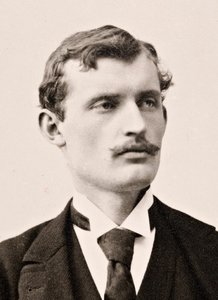
      Edvard Munch

      Edvard Munch

      1863 - 1944 , Sweden

      Quick Facts

      • Full Name: Edvard Munch
      • Nationality: Norwegian
      • Date Of Birth: 1863
      • Date Of Death: 1944
      • Place Of Birth: Adelsbruk, Sweden
      • Notable Artworks:
        • The Scream
        • Madonna
        • The Sick Child
        • Melancholy I & II
      • Artistic Movement Or Style: Expressionism
      • Artists Who Influenced This Artist:
        • Paul Gauguin
        • Van Gogh
        • Toulouse-Lautrec
      • Artists Or Movements Influenced By This Artist: ['German Expressionism']
      Explore artworks organized by themes, styles, and characteristics.