Preview
 Send
Send Share
Share
 Details
 Guide
Guide

 Download
 Similars
 X-Ray
X-Ray Diaporama
 Q&A
Q&A Stats
Statsuntitled (5328)

 Read More
Giclée / Art Print
Museum-quality giclée or canvas print with fast production and flexible finish options. ( Buy Hand Made Painting Switch to Digital Image)




P118B $10

P118H $10

P118W $10

P438Z $10

P508JH $12

P508YH $12

P805H $10

P805Z $10

P919BZ $10

P919G $10

P919XJ $10

P959ZH $10

P968JZ $12

W106C $8

W218G $10

W218JH $8

W218Y $10

W307PJ $10

W316G $10

W316PJ $8

W316Y $10

W398PJ $8

W4111J $10

W500HY $15

W500JH $15

W692G $12

W849H $8

W940BG $15

W953PJ $8




Pick from our preset sizes that match the artwork's original proportions.

Type the width and the height you need, to fit your frame or your wall. A print can only be cut, never made bigger than the picture, so a size with a different shape loses a part of the image. We send you a digital mockup to approve before we print anything. The picture shown on this page does not show the real cut — only the mockup does.
Worldwide Delivery () in 2 weeks instead of standard 4/5 weeks. (7 November)

Free Worldwide Express Shipping

High-Quality Linen Canvas

Full Shipping Insurance

Customs Tax Refund Guarantee

True Color Matching Guarantee

100-Day Return Policy (Defects Only)

100% Money-Back Guarantee

Bulk Discount Offer
 Glass option is only available in size under 110 CM

untitled (5328)
Giclée / Art Print
Reproduction Size
-


Total Price
$ 65
A Portrait of Existential Angst: Unpacking Edvard Munch’s Untitled (5328)
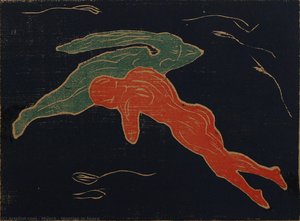
Edvard Munch's *Untitled (5328)*, a deceptively simple depiction of a waterfront scene bathed in muted hues, transcends mere visual representation to embody the very essence of Expressionist anxiety—a sentiment that continues to resonate powerfully with audiences today. Painted circa 1903, this artwork isn’t merely capturing a moment in time; it's channeling an inner turmoil, mirroring Munch’s own profound preoccupation with mortality and psychological distress. The photograph showcases a tranquil harbor vista populated by boats – yet beneath the surface lies a palpable tension, skillfully conveyed through Munch’s masterful use of color and brushwork.- Subject Matter: The scene presents a quiet harbor setting featuring several vessels docked alongside a weathered pier. A solitary figure sits on the edge of the pier, gazing out at the water—a posture that immediately invites contemplation about isolation and vulnerability.
- Style & Technique: Munch’s distinctive Expressionist style prioritizes emotional intensity over realistic depiction. Thick impasto brushstrokes dominate the canvas, creating a textured surface that vibrates with palpable energy. The palette is deliberately subdued – predominantly blues and ochres – contributing to an atmosphere of melancholic serenity punctuated by jarring splashes of crimson—a visual metaphor for inner turmoil.
Historical Context: Munch’s Engagement With Fin-de-Siècle Anxiety
Munch created *Untitled (5328)* during the tumultuous period known as Fin de siècle, a time marked by widespread anxieties concerning societal change, scientific advancements, and spiritual disillusionment. The burgeoning influence of Nietzschean philosophy—particularly his proclamation that “God is dead”—challenged traditional moral frameworks and fueled existential questioning. Munch himself wrestled with personal demons stemming from familial illness and trauma, experiences which profoundly shaped his artistic vision. This painting reflects the broader cultural preoccupation with confronting mortality and grappling with the unsettling realities of human existence – themes central to Expressionist art’s core mission.Symbolism: Color as Emotional Conduit
The artist's deliberate use of color is paramount in conveying the artwork’s emotional depth. The dominant blues evoke feelings of sadness and contemplation, mirroring Munch’s own melancholic disposition. However, the striking crimson streak—a bold interruption against the muted tones—represents a surge of fear or anguish—a visual embodiment of psychological distress. This symbolic gesture underscores Munch's belief that art could serve as a vehicle for expressing inner emotions and confronting uncomfortable truths. The inclusion of a dog adds another layer of complexity; often interpreted as representing loyalty, companionship, and vulnerability – mirroring the human figure’s solitary contemplation.Emotional Impact: A Window Into Munch’s Soul
Ultimately, *Untitled (5328)* succeeds in capturing the profound emotional impact of Munch's artistic exploration of anxiety and despair. It compels viewers to confront uncomfortable questions about life, death, and the human condition—a task that aligns perfectly with Expressionism’s ambition to provoke introspection and challenge conventional perceptions. The painting’s enduring appeal lies not merely in its aesthetic qualities but also in its ability to tap into universal feelings of vulnerability and existential dread – a testament to Munch's unparalleled capacity for translating psychological experience onto the canvas.Questions & Answers
Are there works similar to "untitled (5328)"?
Works similar to "untitled (5328)" are listed on the artwork's Similars page.
How light is "untitled (5328)" overall?
Overall, "untitled (5328)" is recorded as brilliant. Perceived brightness describes how light or dark the work appears.
How does the subject of "untitled (5328)" relate to Edvard Munch's usual themes?
Edvard Munch's recurring themes include symbolic landscape, psychological expressionism, mortality fears, family trauma, munch legacy; "untitled (5328)" focuses on harbor scene, boats, man pier, tranquility, landscape, norwegian art, anxiety, emotion.
Related Artworks


Artist Biography
A Life Shaped by Loss
Edvard Munch arrived in the world in 1863, born into the stark landscapes of Norway. His early years were defined by a heavy presence of grief that would later find its way onto his canvases. The deaths of his mother and his sister, Sophie, both taken by tuberculosis, left a deep mark on his young mind. These losses created a preoccupation with mortality and the fragility of life that stayed with him forever. He grew up in a household where the shadows of sickness were never far away.
His father, Christian, was a physician who struggled with intense religious devotion and mental instability. This atmosphere of dread and the vivid ghost stories told in his childhood helped shape his later visions. Munch did not merely paint what he saw; he sought to externalize his internal state. He called this approach soul painting. It was a way to translate psychological distress into visual form, using the colors and shapes of his own experience.
The Path to Expressionism
Munch began his formal studies at the Royal School of Art and Design in Kristiania, which is now known as Oslo. During this time, he moved within bohemian circles that challenged the strict rules of academic art. A significant influence was Hans Jæger, a nihilist who encouraged Munch to abandon conventional styles and instead focus on his own subjective emotions. This shift led him toward the development of Expressionism.
Travels through Europe brought new perspectives to his work. In Paris, he encountered the techniques of artists like Paul Gauguin and Vincent van Gogh, particularly their use of color. In Berlin, his connections with figures such as August Strindberg further pushed his investigations into psychological themes. He began to move away from naturalistic representation, opting instead for distorted forms and rhythmic lines that could communicate the tremors of human existence.
Themes and Lasting Impact
Much of his work belongs to a series he called The Frieze of Life, where he explored the recurring cycles of love, fear, death, and anxiety. Some of his most recognized paintings include:
- The Scream: A work from 1893 that uses swirling, fiery landscapes to represent existential dread.
- Madonna: A piece that explores themes of sexuality and mortality.
- The Sick Child: A poignant reminder of the loss of his sister.
- Puberty: An exploration of the physical and psychological changes of youth.
Munch was a highly active printmaker, using techniques like etching, lithography, and woodcut to expand his reach. He possessed over one thousand paintings at the time of his death in 1944. His ability to confront the darker aspects of the human condition helped pave the way for later movements like German Expressionism. Today, much of his legacy is preserved in the Munch Museum in Oslo, where his work continues to speak to the complexities of the human psyche.
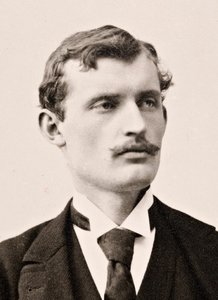
Edvard Munch
1863 - 1944 , Sweden
Quick Facts
- Artistic Movement Or Style:
- Expressionism
- Symbolism
- Post-Impressionism
- Artists Or Movements Influenced By This Artist: ['German Expressionism']
- Artists Who Influenced This Artist:
- Paul Gauguin
- Vincent van Gogh
- Toulouse-Lautrec
- Full Name: Edvard Munch
- Nationality: Norwegian
- Notable Artworks:
- The Scream
- Madonna
- The Sick Child
- Puberty
- Place Of Birth: Adelsbruk, Sweden
- Date Of Birth: 1863
- Date Of Death: 1944
Related Articles

Edvard Munch: Anxiety, Modernity & the Dawn of Expressionism
Explore the profound world of Edvard Munch, pioneer of Expressionism. Discover the origins of 'The Scream' & his haunting depictions of anxiety, mortality, and love. Expert analysis & high-quality reproductions at AllPaintingsStore.

Expressionism's Soul: 10 Masterpieces for Your Home |
Journey into the soul of Expressionism! Explore 10 iconic paintings by Munch, Kirchner, Kandinsky & more. Discover their stories, bold colors & lasting impact. Find museum-quality art reproductions at .

The Raw Emotion of Expressionism: A Deep Dive into its History, Characteristics & Enduring Influence
Explore the raw emotion of Expressionism with AllPaintingsStore. Discover its history, key artists like Kirchner & Munch, and lasting influence on modern art. Expert insights for collectors & enthusiasts.

Unlocking Emotion: A Beginner's Guide to the Raw Power of Symbolic Expressionism Art
Discover the raw emotion of Symbolic Expressionism. Our expert guide explores how masters like Munch use color and form to convey inner feelings, offering inspiration for collectors looking to bring powerful, soulful art into their modern homes.

Mastering Anxiety: The Top 25 Most Iconic Edvard Munch Artworks
Explore 25 iconic Edvard Munch masterpieces of Expressionism. Discover the full collection online at AllPaintingsStore.com.