Money-Back Guarantee · 100 days Free Worldwide Delivery
449,587artworks 30,613artists 4,660museums 32languages
Currency
    Language
      Atelier · Est. 2015 · Paris, France
      AllPaintingsStore
      allpaintingsstore.com
      Catalogue entry

      Bird

      1839. Oil On Canvas, 61.0 x 73.0 cm. Smithsonian American Art Museum.

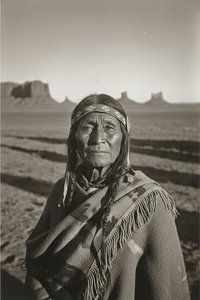
      Fig. 1. George Catlin, Bird, 1839. Shown as the reproduction you are specifying: , .

      § 1Catalogue data

      § 2Abstract

      Collectible Description

      Experience George Catlin’s ‘Shin ga wás sa, Handsome Bird,’ a Romantic portrait of a Plains Indian warrior capturing the spirit of the American West. This iconic 1839 painting showcases meticulous detail and warm hues, offering a timeless glimpse into Native American culture – discover yours.

      Artist Biography

      Explore the captivating art of George Catlin (1796-1872), renowned for his vivid portraits & landscapes documenting Native American life on the frontier. Discover a vanishing world through his stunning paintings!

      § 3Commentary

      George Catlin’s “Shin ga wás sa, Handsome Bird”: A Window into the Spirit of the Plains

      George Catlin (1796-1872) stands as a singular figure in American art history—a man driven by an unwavering conviction to document the disappearing cultures of Native American tribes during the mid-nineteenth century. His journey began not with formal training but with deeply formative experiences: tales recounted by his mother, Polly Sutton, who herself bore witness to the terrifying brutality of an Indian raid as a young woman. These narratives instilled within Catlin a profound respect for the frontier landscape and its inhabitants, shaping his artistic vision and fueling his determination to preserve their traditions before they vanished forever. Abandoning legal aspirations after just two years, he embraced painting with fervor—a decision that would ultimately yield one of the most iconic depictions of Native American life ever created. “Shin ga wás sa, Handsome Bird,” completed in 1834, exemplifies Catlin’s Romantic style and meticulous approach to portraiture. Executed on canvas using oil paint, this artwork captures a Plains Indian warrior with remarkable realism—a testament to Catlin's dedication to capturing the physical appearance and dignity of his subjects. The composition is deliberately theatrical, positioning the warrior centrally against a backdrop of stylized mountains and sky, reflecting the grandeur and spiritual significance attributed to these landscapes by Native American cultures. Catlin’s use of warm hues – ochre yellows and earthy reds – enhances the painting's emotional impact, conveying both strength and solemn contemplation. The portrait is more than just an image; it’s a carefully crafted symbol of leadership and cultural heritage—a poignant reminder of a bygone era.

      Exploring Catlin’s Technique: Observation and Stylized Representation

      Catlin’s artistic process was characterized by painstaking observation combined with deliberate stylistic choices designed to convey deeper meanings beyond mere visual representation. He spent considerable time studying Native American anatomy and posture, meticulously documenting their physical characteristics with unwavering accuracy. However, he didn't strive for photographic realism; instead, he employed techniques that amplified the emotional resonance of his subjects. The artist utilized a pyramidal composition—a compositional device favored by Romantic painters—to emphasize the warrior’s stature and convey a sense of nobility. Furthermore, Catlin subtly stylized elements of the landscape, mirroring the spiritual worldview of Native Americans who saw mountains as sacred places imbued with divine power.

      Historical Context: The Rise of Ethnographic Art

      “Shin ga wás sa” emerged during a period marked by growing interest in documenting and celebrating indigenous cultures—a trend known as ethnography. Catlin’s work aligns perfectly with this movement, reflecting the anxieties surrounding westward expansion and the perceived decline of Native American traditions. He sought to counteract prevailing stereotypes perpetuated by popular culture and government officials, presenting portraits that honored the dignity and complexity of Native American life. His expeditions into Plains territory yielded invaluable ethnographic data—detailed sketches, watercolors, and written accounts—that contributed significantly to scholarly understanding of Native American societies during the 1830s and 40s.

      Symbolism Beyond Appearance: Capturing Essence

      The painting’s symbolism extends far beyond its depiction of a warrior's physical form. The mountainous backdrop symbolizes the spiritual realm, reflecting the belief that Native Americans viewed mountains as conduits to the divine—a concept central to their cosmology. Catlin’s careful attention to detail—the warrior’s gaze, his posture, and even the subtle shading on his skin—aimed to convey not just what he looked like but also who he was—a man embodying leadership, honor, and connection to the land. “Shin ga wás sa” remains a powerful testament to Catlin's artistic vision and his unwavering commitment to preserving the legacy of Native American culture.

      Questions & Answers

      How is "Bird" recommended to be printed - what size, what orientation?

      large size, landscape orientation: that is the print setup suggested for "Bird" by George Catlin.

      Is "Bird" by George Catlin a well-known artwork?

      "Bird" by George Catlin has an iconic popularity level. This classification reflects how widely the work is recognized.

      What style does "Bird" belong to?

      "Bird" by George Catlin belongs to the Romanticism movement. This movement provides the stylistic context of the work.

      § 4The artist

      George Catlin

      George Catlin

      1796 - 1872, United States of America

      Quick facts about George Catlin

      • Full Name: George Catlin
      • Nationality: American
      • Date Of Birth: 1796
      • Date Of Death: 1872
      • Place Of Birth: Wilkes-Barre, United States of America
      • Notable Artworks:
        • Sham Fight, Mandan Boys
        • Prairie Meadows Burning
        • Pipestone Quarry
        • Medicine Buffalo of Sioux
        • Eagle Dance, Choctaw
      • Artistic Movement Or Style: Frontier painting

      Artist Biography

      Early Life and the Call of the Frontier

      George Catlin, born in Wilkes-Barre, Pennsylvania, in 1796, was a man destined to become a bridge between worlds—the established American society of his time and the rapidly vanishing cultures of Native American tribes. His childhood was deeply imprinted with tales of the frontier, stories recounted by his mother, Polly Sutton, who had herself endured the harrowing experience of capture during an Indian raid. These narratives ignited within young Catlin a fascination with the West, a land perceived as both dangerous and profoundly romantic. Though initially trained in law, he discovered his true calling not within the courtroom but in capturing the essence of a way of life he feared was slipping away. He abandoned legal practice after only two years, driven by an artistic impulse and a growing conviction that the traditions and appearances of Native Americans deserved meticulous documentation for posterity. This wasn’t merely aesthetic curiosity; it was a sense of urgency, a premonition that westward expansion would irrevocably alter these cultures. His early work involved engravings depicting scenes along the Erie Canal, demonstrating his technical skill and attention to detail—qualities that would become hallmarks of his later, more ambitious projects. These initial endeavors served as a crucial foundation, honing his observational abilities and establishing his commitment to visual storytelling.

      Documenting a Vanishing World: The Indian Gallery

      Catlin’s defining achievement was undoubtedly the creation of “The Indian Gallery,” an extraordinary collection of over 500 paintings dedicated to portraying Native American life and culture. Beginning in the 1830s, he embarked on five extensive expeditions into the American West, traveling up the Missouri River and venturing into territories inhabited by tribes such as the Mandan, Sioux, Blackfeet, and Choctaw. He wasn’t simply an observer; Catlin immersed himself within these communities, participating in ceremonies, witnessing daily life, and forging relationships with tribal leaders. His paintings are remarkable for their realism and vibrant colors, capturing not only physical likenesses but also a sense of the dignity and complexity of Native American customs. Ball-Play of the Choctaw, for example, is a dynamic depiction of a traditional game, showcasing the athleticism and communal spirit of the tribe. Similarly, his portrait of Mó-sho-la-túb-bee, He Who Puts Out and Kills, Chief of the Tribe, reveals a powerful leader with an unwavering gaze, conveying both authority and wisdom. Catlin’s style is characterized by meticulous detail, often including elaborate backgrounds that provide context for his subjects—landscapes, tipis, ceremonial objects—all rendered with a keen eye for accuracy. He sought to present Native Americans not as savage stereotypes but as individuals with rich cultural traditions and complex social structures, challenging the prevailing prejudices of his time.

      Challenges and Recognition: A Life Dedicated to Preservation

      Despite the artistic merit and historical significance of The Indian Gallery, Catlin faced considerable challenges in gaining recognition and financial support for his work. He envisioned donating the collection to the U.S. government, hoping it would be preserved as a national treasure, but his initial proposals were repeatedly rejected. Undeterred, he took his gallery on tour, exhibiting it first in London, then Paris, and Berlin during the 1840s and 50s. These European exhibitions garnered considerable acclaim, introducing audiences to a world they had previously only known through secondhand accounts. Catlin also published several books detailing his travels and observations, including Manners, Customs, and Condition of the North American Indians (1841) and Last Rambles Amongst the Indians of the Rocky Mountains and the Andes (1868), further solidifying his reputation as a leading authority on Native American culture. However, financial difficulties continued to plague him throughout his life. In a desperate attempt to recoup some of his investment, he recreated over 400 paintings in a smaller “cartoon collection,” but even this effort failed to yield substantial returns. This period was marked by constant struggle and a poignant irony—a man dedicated to preserving a culture facing extinction found himself battling for his own survival.

      Legacy and Historical Significance

      George Catlin died in 1872, leaving behind a legacy that continues to resonate today. While his work wasn’t fully appreciated during his lifetime, it has since been recognized as an invaluable historical record of Native American life before the sweeping changes brought about by westward expansion. His paintings offer a glimpse into cultures that were often misrepresented or ignored in mainstream narratives. Prairie Meadows Burning, with its dramatic depiction of a controlled burn and accompanying riders, captures not only the landscape but also the intimate relationship between Native Americans and their environment. Pipestone Quarry, Coteau Des Prairies illustrates the spiritual significance of this sacred site for many tribes. Catlin’s meticulous documentation provides insights into tribal customs, social structures, religious beliefs, and artistic traditions—information that would have been lost to history without his dedicated efforts. His work serves as a powerful reminder of the importance of cultural preservation and the need to challenge preconceived notions about indigenous peoples. He wasn't simply an artist; he was a chronicler, a witness, and a passionate advocate for a vanishing way of life—a legacy that continues to inspire and inform our understanding of American history and culture.

      Key Works

      • Sham Fight, Mandan Boys (1832-1833): A lively depiction of a playful mock battle among young Mandan warriors.
      • Mrs. George Catlin (Clara Bartlett Gregory) (1850): A portrait showcasing the artist’s wife, offering insight into his personal life.
      • Pipestone Quarry, Coteau Des Prairies (1848): Illustrates a sacred site for many tribes and their spiritual connection to the land.
      • Medicine Buffalo of the Sioux (1839): A striking portrait capturing the dignity and power of a prominent Sioux leader.
      • Prairie Meadows Burning (1832): Depicts a dramatic scene of controlled burning, highlighting the relationship between Native Americans and their environment.
      • Dubuque's Grave, Upper Mississippi (1836): A landscape painting capturing the serene beauty of the Upper Mississippi region with Impressionistic brushwork.
      • Eagle Dance, Choctaw (1837): A vibrant portrayal of a traditional Choctaw ceremony, showcasing their rich cultural heritage.
      • Little Wolf, A Famos Warrior (1844): A powerful portrait of a Native American warrior, symbolizing strength and resilience.

      § 5Comparanda

      § 6Questions

      Quick Facts

      • Year: 1839
      • Movement: Romanticism
      • Dimensions: 61 x 73 cm
      • Subject or theme: Native American warrior; Frontier life
      • Medium: Oil on canvas
      • Title: Bird

      § 7Cite this entry

      AllPaintingsStore.com, “George Catlin, Bird (1839)”, https://allpaintingsstore.com/en/art/george-catlin-bird-D3ZFEP-en/ (accessed 1 October 2026).

      § 8The reproduction

      Hand Made Oil Reproduction

      Hand-painted oil on canvas in your size and frame, made to order by our artists. ( Switch to Print Switch to Digital Image)

      It is specified on the order sheet in the margin; the present state of that sheet reads as follows.

      Bird

      Reproduction Medium

      Reproduction Size

      -

      Elite Senior Artist

      More detail, finesse, and extra production time

      -

      Reproduction Frame

      -

      -

      For artworks or reproductions larger than 105 cm (approximately 41 inches) on any side, the frame will be shipped as a kit, disassembled. This method ensures safe delivery and prevents damage during transport.

      Professional assembly required - this is not a DIY product.
      The kit must be assembled and the canvas stretched by an experienced professional framer, using wood glue (not supplied), a canvas stretching plier and clamps to hold the bars square while the glue dries. Incorrect assembly or uneven canvas tension can permanently damage the artwork and is not covered by our warranty.

      • All solid wood bars are included, precisely cut to size.

      • Assembled with the screws provided, plus wood glue for the corner joints, which is not supplied and must be sourced by your framer.

      • Professional tools are required and not included: a canvas stretching plier (tensioner) and clamps to hold the bars square while the glue dries.

      Important:
      The corner joints require wood glue, the bars must be held with clamps until the glue is fully dry, and tightening the canvas on the assembled frame requires a canvas stretching plier. None of these are included in the kit. Please arrange an experienced professional framer before ordering this size.

      Nameplate

      -

      -

      Protective Varnish

      Glossy Varnish (enhances colors, protects against light/moisture)

      -

      Customize My Artwork

      Examples of what can be changed: Replace face with customer photo; Add pet (e.g., replace cat with dog); Include hidden message in background; Change background landscape or elements.

      -

      Urgent

      Worldwide Delivery () in 3/4 weeks instead of standard 5 weeks. (29 October). No compromise on quality.

      -

      Express Shipping

      Worldwide Delivery () in 5 weeks. (5 November).

      Included

      Total Price

      $ 258

      Included with every order

      • Free Worldwide Express Shipping
      • High-Quality Linen Canvas
      • Full Shipping Insurance
      • Customs Tax Refund Guarantee
      • True Color Matching Guarantee
      • 100-Day Return Policy (Defects Only)
      • 100% Money-Back Guarantee
      • Bulk Discount Offer
      Order sheet