The Dramatic Vision of George Clint
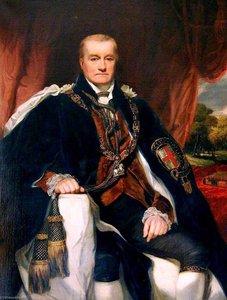
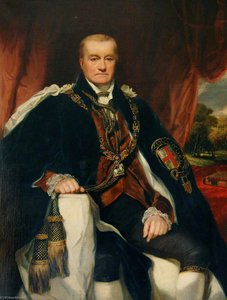
George Clint (1770 – 1854) stands as a significant figure in the annals of British art history, particularly recognized for his contributions to portrait painting and theatrical productions during the formative years of the nineteenth century. Born in the vibrant heart of Covent Garden, London, he emerged from humble beginnings to become an Associate Member of the Royal Academy, cementing his place amongst the artistic elite of his era. His oeuvre encompasses a diverse range of subjects—stately portraits capturing the grandeur of aristocratic families alongside dramatic scenes reflecting the spirit of the stage—demonstrating a versatility and ambition that characterized his entire artistic journey.
The essence of Clint’s artistry was deeply intertwined with the pulse of London's cultural life. Beyond the quiet dignity of fine art, Clint possessed a considerable talent for theatrical design and production. He served as a scenic artist for numerous London theatres, collaborating with prominent playwrights and directors—a vocation that honed his observational skills and fostered an intimate understanding of visual storytelling. This dual engagement between fine art and performance is noteworthy, reflecting the broader cultural landscape of Victorian England where artistic endeavors often intersected seamlessly. His theatrical work allowed him to experiment with color palettes and compositional techniques, enriching his ability to capture movement and emotion in his more permanent oil works.
A Legacy of Portraiture and Stagecraft
Clint’s development as a painter was marked by an ability to transition between the stark realism required for engravings and the soft, elegant textures found in his portraiture. His early training, rooted in classical studies and drawing, provided him with the foundational skills necessary to navigate the complex social hierarchies of the Regency and early Victorian periods. As he matured, his work began to reflect a profound mastery over light and shadow, a skill likely sharpened by the dramatic lighting requirements of the London stage.
The breadth of his artistic output can be observed through several key facets of his career:
- Portraiture: His ability to capture the essence of his subjects, ranging from striking black and white studies of gentlemen to more delicate, colorful depictions of women such as his 1830 portrait of Jane Williams, which showcases a serene beauty and poise.
- Theatrical Scenography: His role in shaping the visual identity of the London theatre, where he utilized his skills as a painter to create immersive environments for the era's most celebrated plays.
- Printmaking and Engraving: His contributions to the dissemination of art through engravings, allowing his likenesses of prominent figures to reach a wider public audience beyond the walls of private galleries.
Ultimately, the historical significance of George Clint lies in his role as a bridge between the ephemeral world of the theatre and the enduring world of fine art. By bringing the dramatic flair of the stage into the formal realm of portraiture, he helped define an aesthetic that captured both the elegance and the theatricality of the early 19th century. His life remains a testament to the power of multidisciplinary creativity, leaving behind a legacy of works that continue to evoke the grandeur and the spirit of a transformative era in British history.


 Read More


 Switch to Print


 For artworks or reproductions larger than 105 cm (approximately 41 inches) on any side, the frame will be shipped as a kit, disassembled. This method ensures safe delivery and prevents damage during transport.