- Home

- Oil Painting Reproduction
- Graciela Iturbide
- Autoretrato como Seri (Self-Portrait as Seri)

 Buy print
 Send
Send Share
Share
 Details

 Download
 Similars
 X-Ray
X-Ray Diaporama
Autoretrato como Seri (Self-Portrait as Seri)


 Read More
Hand Made Oil Reproduction
Hand-painted oil on canvas in your size and frame, made to order by our artists.




P118B $10

P118H $10

P118W $10

P438Z $10

P508JH $12

P508YH $12

P805H $10

P805Z $10

P919BZ $10

P919G $10

P919XJ $10

P959ZH $10

P968JZ $12

W106C $8

W218G $10

W218JH $8

W218Y $10

W307PJ $10

W316G $10

W316PJ $8

W316Y $10

W398PJ $8

W4111J $10

W500HY $15

W500JH $15

W692G $12

W849H $8

W940BG $15

W953PJ $8




Pick from our preset sizes that match the artwork's original proportions.

You may enter your own dimensions to fit a specific frame or space. If your selected size does not match the original image's proportions, we will either crop the artwork or extend the painting with additional hand-painted elements. A digital mockup will be sent for your approval before production begins.
Please note that the on-screen preview does not reflect the actual cropping or extension. Only the mockup will accurately show the final composition.
While custom sizes are available, we recommend selecting a dimension from the predefined list to preserve the original proportions.
After order, AllPaintingsStore.com team will email client for instructions and provide a mockup preview
Worldwide Delivery () in 3/4 weeks instead of standard 5 weeks. (16 July). No compromise on quality.

Free Worldwide Express Shipping

High-Quality Linen Canvas

Full Shipping Insurance

Customs Tax Refund Guarantee

True Color Matching Guarantee

60-Day Return Policy (Defects Only)

100% Money-Back Guarantee

Bulk Discount Offer
 Glass option is only available in size under 110 CM

Autoretrato como Seri (Self-Portrait as Seri)
Reproduction Medium
Reproduction Size
-


Total Price
-
Artwork Description
A Portrait of Identity: Graciela Iturbide’s “Autorretrato como Seri”
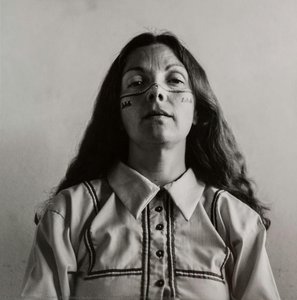
Graciela Iturbide's "Autorretrato como Seri," created in 1979, transcends mere photographic documentation; it embodies a profound meditation on identity and cultural representation. This striking black-and-white self-portrait isn’t simply a depiction of the artist herself but an ambitious gesture toward bridging the gap between tradition and modernity—a visual dialogue with the indigenous Seri people of Sonora, Mexico. The photograph's enduring power lies in its ability to convey complex emotions and provoke contemplation about our relationship with heritage and place.Composition and Technique: Minimalism as Revelation
The image’s masterful simplicity is deceptive. Iturbide employs a tightly framed medium close-up perspective, prioritizing her face—a deliberate choice that draws the viewer into an intimate confrontation with selfhood. The blurred background subtly suggests a broader social landscape, hinting at the Seri community without overshadowing the central figure's gaze. This careful composition underscores the artist’s commitment to directness and honesty, mirroring the understated elegance of documentary photography. Iturbide skillfully utilizes diffused lighting, minimizing harsh shadows and creating a serene atmosphere that enhances the photograph’s contemplative mood. The gelatin silver print technique ensures exceptional tonal range and detail, capturing subtle nuances in skin texture and facial expression—elements crucial to conveying the portrait's emotional depth.Symbolism: Echoes of Seri Tradition
The most arresting element of “Autorretrato como Seri” is Iturbide’s incorporation of Seri tribal markings onto her face. These stylized dots, reminiscent of traditional Seri iconography, represent a conscious appropriation of indigenous visual language—a bold assertion of cultural connection and an acknowledgment of the artist's own position within broader narratives of identity. This gesture isn’t merely decorative; it symbolizes a desire to honor Seri heritage while simultaneously interrogating notions of authenticity and representation. The painted face serves as a conduit for exploring themes of belonging, displacement, and the transformative power of artistic expression.Historical Context: Desert Landscapes and Artistic Experimentation
Created during Mexico's Nueva Imagen movement—a significant shift away from conventional photographic aesthetics—Iturbide’s work aligns with a broader trend toward challenging established conventions and embracing unconventional visual languages. The Seri desert landscape serves as an evocative backdrop, grounding the portrait in its geographical context and subtly reinforcing themes of solitude and resilience. Iturbide's decision to eschew elaborate retouching or manipulation speaks volumes about her artistic philosophy—a belief that truth resides in capturing reality with uncompromising clarity.Emotional Impact: A Quiet Contemplation
Ultimately, “Autorretrato como Seri” resonates deeply because it invites viewers into a moment of quiet contemplation. Iturbide’s unwavering gaze conveys confidence and self-awareness, yet simultaneously communicates vulnerability—a poignant reminder that even the most carefully constructed identities are shaped by experience and emotion. The photograph's monochrome palette amplifies its emotional impact, emphasizing texture and form while stripping away distractions. It remains a testament to the enduring power of visual storytelling and a captivating exploration of what it means to represent oneself within a complex cultural landscape—a timeless masterpiece that continues to inspire admiration and provoke discussion today.Related Artworks







Artist Biography
A Life Etched in Light: The Poetic Vision of Graciela Iturbide
Graciela Iturbide, born in Mexico City in 1942, is more than a photographer; she’s a visual poet whose black-and-white images resonate with the soul of her nation and the universal human experience. Growing up as the eldest of thirteen children within a deeply traditional Catholic family instilled in her an acute observational skill – a quiet attentiveness to the nuances of life that would later define her artistic practice. Her father’s amateur photography, documenting everyday family moments, sparked an early fascination with the medium, transforming simple snapshots into cherished memories and laying the foundation for Iturbide's own exploration of image-making. These formative years weren’t merely about learning technique; they were about understanding how photographs could encapsulate identity, preserve history, and evoke profound emotion.From Grief to Revelation: Finding a Voice Through the Lens
A pivotal moment arrived in 1970 with the tragic loss of her six-year-old daughter, Claudia. This devastating event irrevocably altered Iturbide’s path, prompting her to seek solace and meaning through artistic expression. Initially drawn to filmmaking at the Centro Universitario de Estudios Cinematográficos at the Universidad Nacional Autónoma de México, she soon discovered that still photography offered a more direct conduit for her burgeoning vision. A crucial mentorship with Manuel Álvarez Bravo between 1970 and 1971 proved transformative. He wasn’t simply teaching technical skills; he was imparting a philosophy of patience, encouraging Iturbide to wait for the decisive moment – that fleeting instant when all elements align to create an image imbued with power and significance. This period marked a turning point, solidifying her commitment to photography as a means of processing grief, exploring complex themes, and documenting the world around her.Echoes of Tradition: Documenting Mexico’s Soul
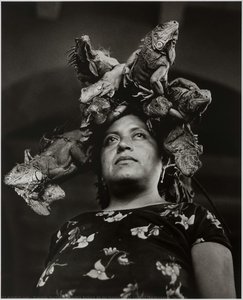
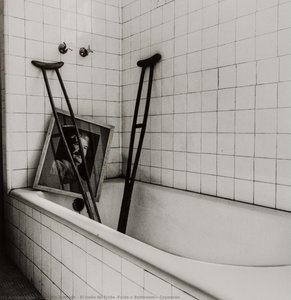
Iturbide's work is characterized by its poetic sensibility and evocative black-and-white imagery. She doesn’t merely *take* pictures; she engages in a dialogue with her subjects, immersing herself in their worlds and allowing their stories to unfold before her lens. Her focus lies on documenting the lives, rituals, and identities of marginalized communities within Mexico, particularly indigenous cultures like the Zapotec, Mixtec, and Seri peoples. Recurring themes – identity, sexuality, death, spirituality, and the roles of women – are woven throughout her oeuvre, offering a nuanced portrayal of Mexico’s complex cultural landscape. She deliberately avoids direct intervention, preferring to observe and capture authentic moments as they unfold naturally. This respectful approach allows her subjects to retain their dignity and agency, resulting in images that feel both intimate and profound. Her iconic “Nuestra Señora de las Iguanas (Our Lady of the Iguanas), Juchitán” (1979) exemplifies this perfectly – a woman surrounded by iguanas in Oaxaca, becoming a powerful symbol of indigenous spirituality and feminine strength. Similarly, "El baño de Frida (Frida’s Bathroom), Coyoacán" offers an intimate glimpse into the personal sanctuary of Frida Kahlo, revealing layers of symbolism within her private space.A Legacy Forged in Recognition
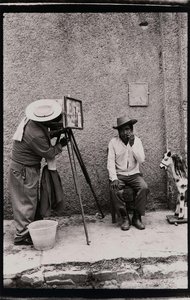
Throughout her career, Graciela Iturbide has received significant recognition for her contributions to photography. She was awarded the W. Eugene Smith Grant in 1971 and secured a scholarship from the Guggenheim College, providing crucial support for her artistic endeavors. Her series documenting the Seri Indians of Sonora stands as a testament to her dedication to preserving cultural heritage, capturing their unique way of life and deep connection to the desert environment. Other notable works like “Photographer, Chiapas” and “Inmaculada (Immaculate Girl), Xochimilco” further demonstrate her ability to find beauty and meaning in everyday scenes. Iturbide’s influence extends far beyond Mexico's borders; her work has been exhibited internationally and is held in prestigious museum collections such as the San Francisco Museum of Modern Art and The J. Paul Getty Museum. She has paved the way for other Latin American female photographers, challenging conventional representations of Mexican culture and inspiring a new generation of artists with her commitment to social documentation, poetic vision, and unwavering respect for cultural diversity. Graciela Iturbide is not just documenting Mexico; she’s revealing its soul.
Graciela Iturbide
1942 - , Mexico
Quick Facts
- Artistic Movement Or Style: Documentary photography
- Artists Or Movements Influenced By This Artist: ['Latin American photographers']
- Artists Who Influenced This Artist: ['Manuel Álvarez Bravo']
- Date Of Birth: 1942
- Full Name: Graciela Iturbide
- Nationality: Mexican
- Notable Artworks:
- Nuestra Señora de las Iguanas
- El baño de Frida
- Photographer, Chiapas
- Inmaculada
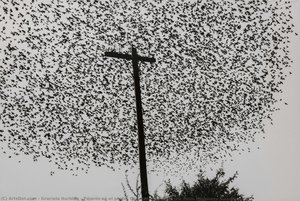
- Pájaros en el poste
- Place Of Birth: Mexico City, Mexico
Related Articles

The Subtleties of Shade: Exploring Black, White & Gray Abstraction in Modern Interior Design
Explore the power of black, white & gray abstraction in modern interior design. Discover how minimalist art impacts spatial perception & creates sophisticated hotel spaces. Expert insights for designers.

From Portrait to Icon: Exploring the Aesthetic and Digital Transformation of Self-Representation within Classical Art Traditions
Explore the fascinating evolution of portraiture from classical masterpieces to digital art! Discover symbolism, techniques & societal impact. Expert insights for collectors & enthusiasts at AllPaintingsStore.

Beyond the Portrait: Félix Nadar & the Psychological Depths of 19th-Century Photography
Explore the revolutionary photography of Félix Nadar – pioneer of portraiture, aerial imaging & psychological depth. Discover his iconic portraits of Baudelaire, Hugo & more. A deep dive into 19th-century art history.
Monochrome Visions: Exploring the Aesthetic & Historical Significance of Black & White Photography
Explore the rich history & artistic power of black and white photography. From early techniques to iconic masters like Ansel Adams, discover why monochrome continues to captivate art lovers today. Expert insights for collectors.

Chromatic Absence: Exploring the Aesthetic Power of Black & White Art
Explore the captivating world of monochrome art! Discover its rich history, influential artists like Malevich & Klein, and profound emotional impact. Expert insights for collectors & design enthusiasts.