- Home

- Oil Painting Reproduction
- Graciela Iturbide
- Photographer, Chiapas

 Buy print
 Send
Send Share
Share
 Details

 Download
 Similars
 X-Ray
X-Ray Diaporama
Photographer, Chiapas


 Read More
Hand Made Oil Reproduction
Hand-painted oil on canvas in your size and frame, made to order by our artists.




































Pick from our preset sizes that match the artwork's original proportions.

You may enter your own dimensions to fit a specific frame or space. If your selected size does not match the original image's proportions, we will either crop the artwork or extend the painting with additional hand-painted elements. A digital mockup will be sent for your approval before production begins.
Please note that the on-screen preview does not reflect the actual cropping or extension. Only the mockup will accurately show the final composition.
While custom sizes are available, we recommend selecting a dimension from the predefined list to preserve the original proportions.
After order, AllPaintingsStore.com team will email client for instructions and provide a mockup preview
Worldwide Delivery () in 3/4 weeks instead of standard 5 weeks. (16 July). No compromise on quality.

Free Worldwide Express Shipping

High-Quality Linen Canvas

Full Shipping Insurance

Customs Tax Refund Guarantee

True Color Matching Guarantee

60-Day Return Policy (Defects Only)

100% Money-Back Guarantee

Bulk Discount Offer
 Glass option is only available in size under 110 CM

Photographer, Chiapas
Reproduction Medium
Reproduction Size
-


Total Price
-
Artwork Description
A Window into a Forgotten World: "Photographer, Chiapas" by Graciela Iturbide
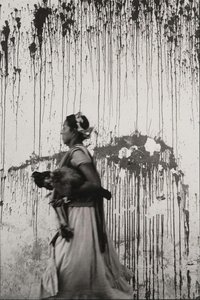
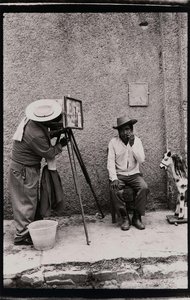
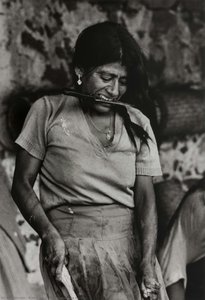
Graciela Iturbide’s “Photographer, Chiapas,” created in 1975, isn't merely a snapshot of a rural Mexican scene; it’s a poignant and deeply layered portrait of a vanishing way of life. Captured during a period of significant social and political upheaval in Mexico, the photograph offers a rare glimpse into the lives of indigenous communities in Chiapas, a region steeped in ancient traditions and enduring resilience. The image immediately draws you in with its stark black-and-white palette – a deliberate choice that amplifies the textures of the weathered wall, the rough fabric of clothing, and the faces of the men involved, stripping away any superficial distractions to focus on essential humanity.
At the heart of the composition stands a photographer, identified as Iturbide herself, patiently awaiting his subject. He’s equipped with a tripod and camera, tools that represent both documentation and an act of quiet observation. His stance is slightly off-center, creating a sense of intimacy and inviting us to share in this moment of connection. To his left sits a seated man, presumably posing for the portrait – a gesture that subtly hints at the power dynamics inherent in the photographic process. The background, a simple yet textured wall, provides a grounding element, anchoring the scene within its specific location and adding depth to the image.
The Poetics of Observation: Style and Technique
Iturbide’s style is undeniably rooted in documentary photography, but it transcends mere representation. She doesn't simply record; she *interprets*. The composition feels deliberately asymmetrical, guiding the viewer’s eye to the central figures while simultaneously hinting at a broader narrative. The use of natural light, casting soft shadows and highlighting textures, contributes significantly to the photograph’s raw and authentic feel. There’s an intentional imperfection in the focus – a slight blur that mirrors the realities of life in this remote community, suggesting a fleeting moment captured amidst everyday routines.
Technically, “Photographer, Chiapas” showcases Iturbide's mastery of black-and-white photography. The graininess of the image isn’t a flaw but an integral part of its aesthetic – it evokes the feel of vintage film and adds to the photograph’s sense of history and timelessness. The careful attention to detail, particularly in capturing the textures of the wall and clothing, speaks volumes about Iturbide's meticulous approach to her craft.
A Legacy of Witness: Historical Context and Symbolism
Created during a turbulent period in Mexican history – a time marked by indigenous uprisings and social unrest – “Photographer, Chiapas” carries significant historical weight. The photograph serves as a visual testament to the lives of marginalized communities often overlooked by mainstream narratives. Iturbide’s decision to focus on this particular scene reflects her commitment to documenting the experiences of those living on the fringes of society.
The inclusion of the rocking horse, a small detail tucked into the right corner, adds an unexpected layer of symbolism. It represents childhood, innocence, and perhaps a connection to a simpler past – elements that are increasingly threatened by modernization and social change. The image subtly evokes a sense of nostalgia for a disappearing world.
Emotional Resonance: A Portrait of Humanity
Ultimately, “Photographer, Chiapas” is a profoundly moving work of art. It’s not just a photograph; it's an invitation to contemplate the complexities of identity, culture, and human connection. The quiet dignity of the subjects, their simple gestures, and the palpable sense of shared humanity resonate deeply. Iturbide’s ability to capture such authentic emotion through her lens is a testament to her extraordinary talent and her unwavering commitment to telling stories that matter.
Related Artworks


![Avec Mon Sac, Bagues Et Bracelets [with Bag, Rings And Bracelets] — Malick Sidibé](/media/artworks/images/thumbnails/84/9e/849e503038314e8da6a0e8c0d8bef60b.jpg)


Artist Biography
A Life Etched in Light: The Poetic Vision of Graciela Iturbide
Graciela Iturbide, born in Mexico City in 1942, is more than a photographer; she’s a visual poet whose black-and-white images resonate with the soul of her nation and the universal human experience. Growing up as the eldest of thirteen children within a deeply traditional Catholic family instilled in her an acute observational skill – a quiet attentiveness to the nuances of life that would later define her artistic practice. Her father’s amateur photography, documenting everyday family moments, sparked an early fascination with the medium, transforming simple snapshots into cherished memories and laying the foundation for Iturbide's own exploration of image-making. These formative years weren’t merely about learning technique; they were about understanding how photographs could encapsulate identity, preserve history, and evoke profound emotion.From Grief to Revelation: Finding a Voice Through the Lens
A pivotal moment arrived in 1970 with the tragic loss of her six-year-old daughter, Claudia. This devastating event irrevocably altered Iturbide’s path, prompting her to seek solace and meaning through artistic expression. Initially drawn to filmmaking at the Centro Universitario de Estudios Cinematográficos at the Universidad Nacional Autónoma de México, she soon discovered that still photography offered a more direct conduit for her burgeoning vision. A crucial mentorship with Manuel Álvarez Bravo between 1970 and 1971 proved transformative. He wasn’t simply teaching technical skills; he was imparting a philosophy of patience, encouraging Iturbide to wait for the decisive moment – that fleeting instant when all elements align to create an image imbued with power and significance. This period marked a turning point, solidifying her commitment to photography as a means of processing grief, exploring complex themes, and documenting the world around her.Echoes of Tradition: Documenting Mexico’s Soul
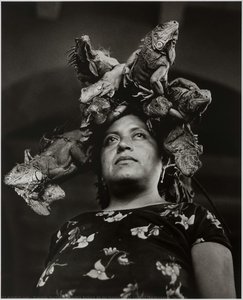
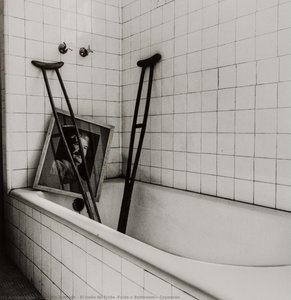
Iturbide's work is characterized by its poetic sensibility and evocative black-and-white imagery. She doesn’t merely *take* pictures; she engages in a dialogue with her subjects, immersing herself in their worlds and allowing their stories to unfold before her lens. Her focus lies on documenting the lives, rituals, and identities of marginalized communities within Mexico, particularly indigenous cultures like the Zapotec, Mixtec, and Seri peoples. Recurring themes – identity, sexuality, death, spirituality, and the roles of women – are woven throughout her oeuvre, offering a nuanced portrayal of Mexico’s complex cultural landscape. She deliberately avoids direct intervention, preferring to observe and capture authentic moments as they unfold naturally. This respectful approach allows her subjects to retain their dignity and agency, resulting in images that feel both intimate and profound. Her iconic “Nuestra Señora de las Iguanas (Our Lady of the Iguanas), Juchitán” (1979) exemplifies this perfectly – a woman surrounded by iguanas in Oaxaca, becoming a powerful symbol of indigenous spirituality and feminine strength. Similarly, "El baño de Frida (Frida’s Bathroom), Coyoacán" offers an intimate glimpse into the personal sanctuary of Frida Kahlo, revealing layers of symbolism within her private space.A Legacy Forged in Recognition
Throughout her career, Graciela Iturbide has received significant recognition for her contributions to photography. She was awarded the W. Eugene Smith Grant in 1971 and secured a scholarship from the Guggenheim College, providing crucial support for her artistic endeavors. Her series documenting the Seri Indians of Sonora stands as a testament to her dedication to preserving cultural heritage, capturing their unique way of life and deep connection to the desert environment. Other notable works like “Photographer, Chiapas” and “Inmaculada (Immaculate Girl), Xochimilco” further demonstrate her ability to find beauty and meaning in everyday scenes. Iturbide’s influence extends far beyond Mexico's borders; her work has been exhibited internationally and is held in prestigious museum collections such as the San Francisco Museum of Modern Art and The J. Paul Getty Museum. She has paved the way for other Latin American female photographers, challenging conventional representations of Mexican culture and inspiring a new generation of artists with her commitment to social documentation, poetic vision, and unwavering respect for cultural diversity. Graciela Iturbide is not just documenting Mexico; she’s revealing its soul.
Graciela Iturbide
1942 - , Mexico
Quick Facts
- Artistic Movement Or Style: Documentary photography
- Artists Or Movements Influenced By This Artist: ['Latin American photographers']
- Artists Who Influenced This Artist: ['Manuel Álvarez Bravo']
- Date Of Birth: 1942
- Full Name: Graciela Iturbide
- Nationality: Mexican
- Notable Artworks:
- Nuestra Señora de las Iguanas
- El baño de Frida
- Photographer, Chiapas
- Inmaculada
- Pájaros en el poste
- Place Of Birth: Mexico City, Mexico
Related Articles

Berenice Abbott: Documenting a Changing America Through Photographic Vision
Explore the groundbreaking work of Berenice Abbott, a pioneer of documentary photography. Discover her iconic images of New York City, portraits, and scientific studies. Learn about her unique style & lasting legacy at AllPaintingsStore.

Documentary Photography's Defining Moments: 10 Masterpieces for Your Home |
Explore 10 defining documentary photography masterpieces – from Dorothea Lange to Robert Capa. Discover powerful stories, iconic images & timeless art for your home. Museum-quality prints at .
Monochrome Visions: Exploring the Aesthetic & Historical Significance of Black & White Photography
Explore the rich history & artistic power of black and white photography. From early techniques to iconic masters like Ansel Adams, discover why monochrome continues to captivate art lovers today. Expert insights for collectors.

Aaron Siskind: Deconstructing Reality – A Photographic Exploration of Texture, Form & the Abstract Landscape
Explore the transformative journey of Aaron Siskind, from social realism to pioneering abstract photography. Discover his iconic series & lasting influence on modern art. A guide for collectors.

Witnessing History: Documentary Photography as an Art Movement
Explore the powerful history of documentary photography – from its origins to contemporary masters like Gordon Parks. Discover how this art form shapes our understanding of society and witness pivotal moments in time.